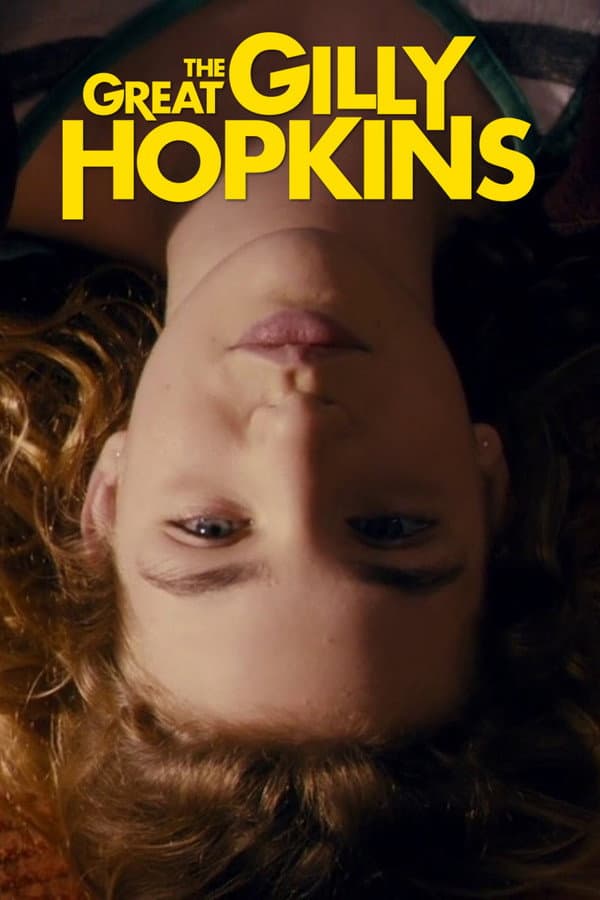
The Great Gilly Hopkins
2015 • Comedy, Drama, Family • PG
Young and feisty Gilly Hopkins devises a scheme to escape from her new foster home and reunite with her birth mother.
Runtime: 1h 39m
Buy related books from Amazon
As an Amazon Associate I earn from qualifying purchases. Read the full disclosure.
Why you should read the novel
Before pressing play, discover the original power of The Great Gilly Hopkins by Katherine Paterson. The novel offers a richer, more intimate portrait of Gilly’s voice—funny, sharp, and unfiltered—revealing her hard edges and hidden hopes in ways no camera can fully capture.
Reading the book places you directly inside Gilly’s head, where her fears, assumptions, and transformations unfold with nuance and depth. Paterson’s storytelling spotlights the complexities of foster care, the quiet heroism of everyday people, and the messy, beautiful process of learning to trust again.
If you want the most complete, emotionally layered version of this story, choose the source material. The Great Gilly Hopkins novel delivers unforgettable character development, scene-setting detail, and compassionate humor—perfect for readers, book clubs, teachers, and anyone who values the book-before-movie experience.
Adaptation differences
The biggest difference between the book and the 2015 movie is tone and intensity. Katherine Paterson’s novel gives readers direct access to Gilly’s unfiltered thoughts, including sharp anger and prejudices that the film softens for a family audience. On screen, harsher language and some raw edges are toned down, and Gilly’s roughness is communicated more through action and performance than through her biting internal monologue.
Character focus also shifts in the adaptation. The film expands the presence of key adults—Maime Trotter and Gilly’s grandmother—to foreground warm, heartening moments earlier, and it gives Gilly’s mother more on-screen time and clarity. By contrast, the novel devotes more pages to Gilly’s inner battles, her complicated feelings about identity and race, and her evolving relationships with William Ernest and Mr. Randolph, which the movie streamlines.
Structurally, the book lingers on school life, neighborhood routines, and Gilly’s schemes, allowing setbacks and small triumphs to accumulate gradually. The movie compresses timelines, reduces subplots, and adds lighter comedic beats to maintain pace. The theft-and-runaway storyline remains, but motivations and consequences are simplified, and some of Gilly’s cruelties are softened or implied rather than explored in uncomfortable detail.
Finally, the endings diverge in emphasis. The novel’s resolution is more bittersweet and introspective, with much of the acceptance and growth arriving through private reflection, letters, and phone conversations. The film aims for a clearer, more outwardly heartwarming closure—visually underlining reconciliation and hope—so family viewers leave with a brighter, tidier sense of resolution than the book’s lingering, reflective afterglow.
The Great Gilly Hopkins inspired from
The Great Gilly Hopkins
by Katherine Paterson