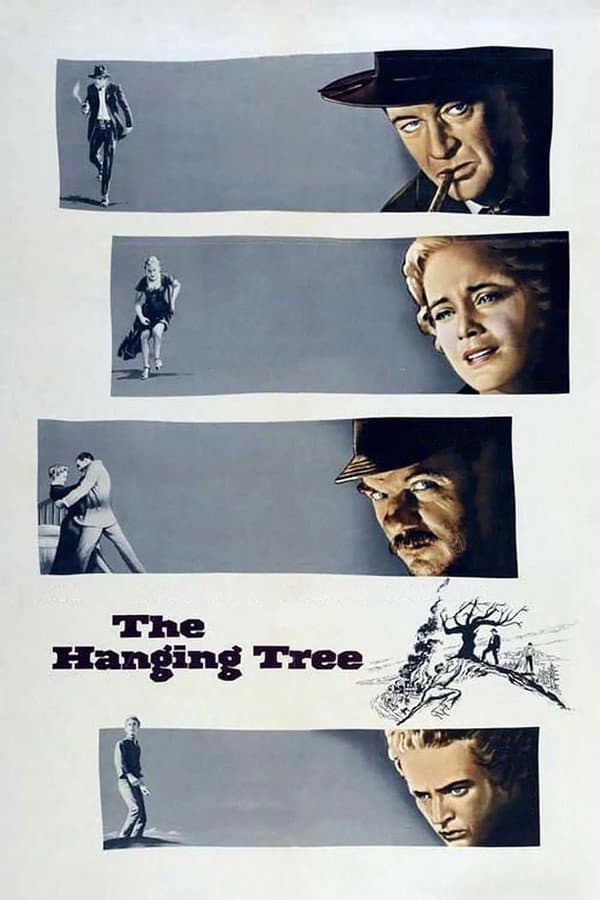
The Hanging Tree
1959 • Western • NR
Joseph "Doc" Frail is a doctor with a past he's trying to outrun. While in Montana, he comes across a mining camp with a hanging tree and rescues a man named Rune from the noose. With Rune as his servant, Frail decides to settle down, and he takes over as town doctor. He meets Elizabeth, who is suffering from shock, and the two soon fall in love. But when Elizabeth is attacked, Frail's attempt to help her lands them both in trouble.
Runtime: 1h 47m
Buy related books from Amazon
As an Amazon Associate I earn from qualifying purchases. Read the full disclosure.
Why you should read the novel
Before watching The Hanging Tree, discover Dorothy M. Johnson’s original book and experience the story as she intended. Her lean, incisive prose builds Western tension with vivid detail and moral clarity that the screen can only hint at.
Reading The Hanging Tree book places you directly inside the gold-rush world, where character, consequence, and frontier justice collide. Johnson’s storytelling moves with purpose, revealing motives and stakes with the kind of interior nuance movies often streamline.
If you love classic Westerns, start with the source. The Hanging Tree novel delivers a richer understanding of its characters, sharper themes of redemption, and the rugged authenticity that made Johnson a legend of American Western literature.
Adaptation differences
The movie expands Dorothy M. Johnson’s compact narrative into a broader frontier canvas. Where the book is taut and concentrated, the film adds town life, gold-rush bustle, and scenic set pieces to build a more sweeping, event-driven story.
Characterization differs in emphasis. On the page, Dr. Joseph Frail’s past and motives are sparer and more enigmatic, while the film shapes him into a more outwardly heroic figure. The screen version amplifies the romance and heightens conflicts with clearly drawn antagonists to satisfy mainstream expectations.
Tone and theme shift as well. Johnson’s book is unsentimental and morally thorny, letting ambiguity linger; the adaptation leans into redemption, community spectacle, and star-driven warmth. Code-era constraints soften or suggest elements the book states more bluntly, especially around violence, greed, and menace.
The climax and resolution diverge in feel. The film builds to a public showdown and explicit catharsis, offering clear closure for major relationships. The book resolves its crisis with tighter focus and a more restrained, questioning aftermath, leaving readers to weigh justice, guilt, and grace long after the final page.
The Hanging Tree inspired from
The Hanging Tree
by Dorothy M. Johnson