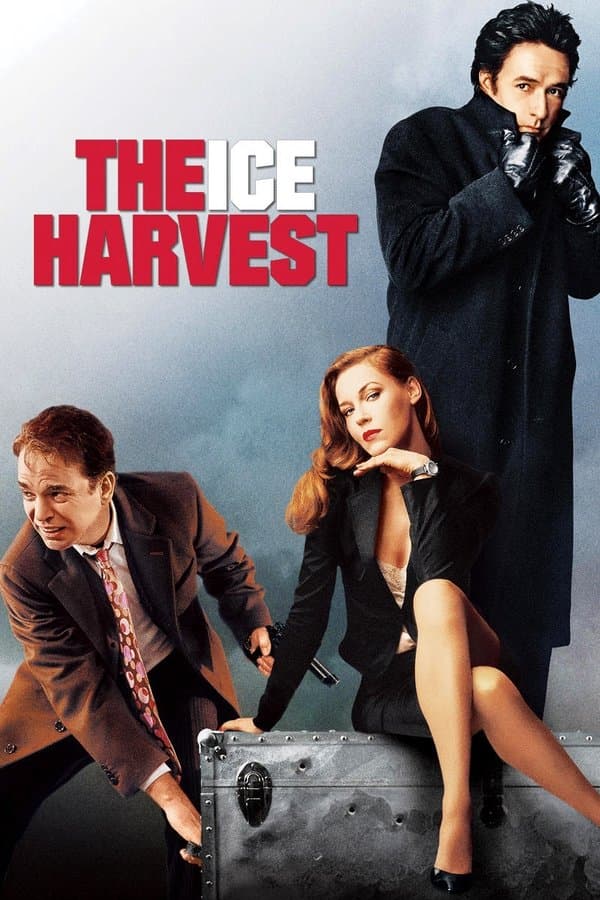
The Ice Harvest
2005 • Comedy, Crime, Drama, Thriller • R
A shady lawyer attempts a Christmas Eve crime, hoping to swindle the local mob out of some money. But his partner, a strip club owner, might have different plans for the cash.
Runtime: 1h 28m
Buy related books from Amazon
As an Amazon Associate I earn from qualifying purchases. Read the full disclosure.
Why you should read the novel
Before you stream The Ice Harvest, discover the source: Scott Phillips’s razor-edged novel The Ice Harvest. The book delivers a darker, funnier, and more pitiless slice of Midwestern noir than any screen can capture, with a voice that hooks crime-fiction readers from page one.
Phillips’s prose drips with bleak humor and atmosphere, pulling you into an ice-storm Wichita where every choice costs more than the last. If you love gritty thrillers, hardboiled characters, and relentless tension, the novel offers a richer, more immersive experience than the movie.
For fans searching “The Ice Harvest book vs movie,” the verdict is clear: read the novel for deeper character work, sharper stakes, and the wickedly entertaining inner monologue that the film can’t show. It’s the definitive way to experience this cold-blooded Christmas caper.
Adaptation differences
The Ice Harvest book vs movie differences begin with tone. Scott Phillips’s novel is a hardboiled, relentlessly bleak noir, while the film adaptation leans further into black comedy and ironic banter. The result is a lighter, more sardonic surface on screen, versus the novel’s icier, more pitiless mood.
Characterization changes are significant. On the page, Charlie’s cynical interior monologue shapes the entire story, exposing motives, fears, and moral rot; the film can’t reproduce that intimacy, so it externalizes character through dialogue and gags. This shift often makes Charlie seem more sympathetic on screen than the novel’s more compromised narrator.
Plot and structure are streamlined in the adaptation. The book’s meandering stops, side hustles, and textured underworld detours are condensed into punchier set pieces and clearer forward momentum for movie pacing. Several supporting players and criminal dynamics are simplified, while confrontations and action beats are heightened to deliver a tighter, more commercial thriller.
The ending and themes also diverge. Without spoiling specifics, the film offers more closure and a slightly warmer aftertaste, whereas the novel lands on a bleaker, more ironic note consistent with classic noir. The femme fatale’s agency and the consequences of betrayal are calibrated differently, shifting the moral weight and the final impression viewers take away compared to readers.
The Ice Harvest inspired from
The Ice Harvest
by Scott Phillips