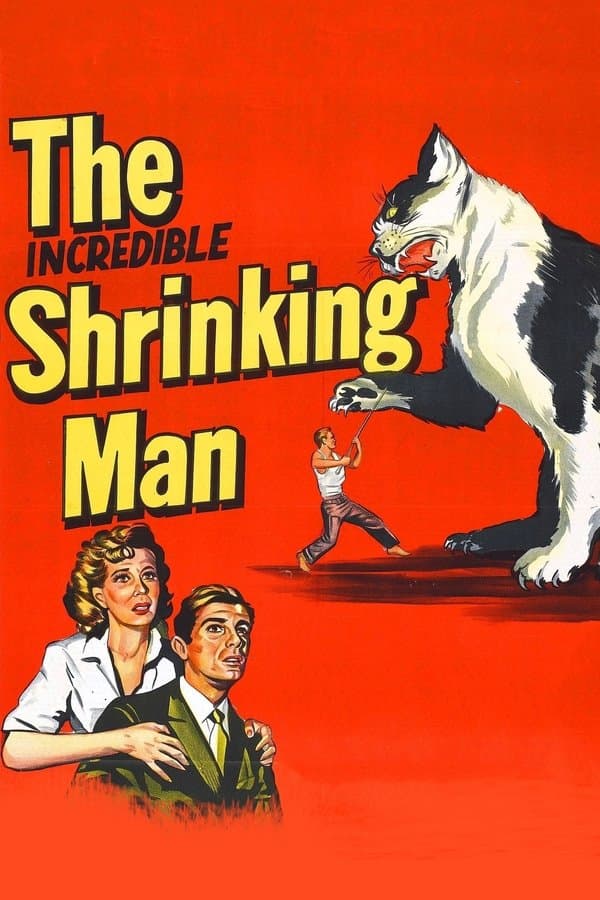
The Incredible Shrinking Man
1957 • Adventure, Drama, Horror, Science Fiction • NR
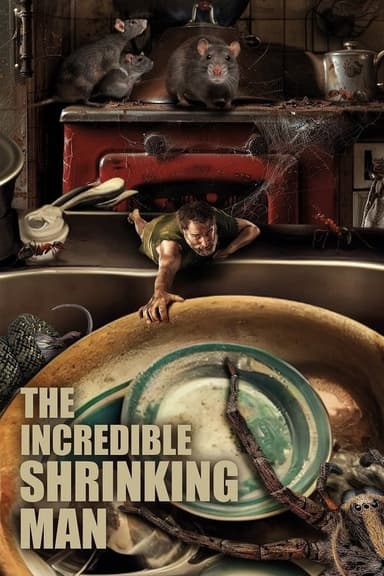
A dangerous combination of radiation and insecticide causes the unfortunate Scott Carey to shrink, slowly but surely, until he is only a few inches tall. His home becomes a wilderness where he must survive everything from spiders living in the cellar to his beloved cat.
Runtime: 1h 21m
Buy related books from Amazon
As an Amazon Associate I earn from qualifying purchases. Read the full disclosure.
Why you should read the novel
Before streaming The Incredible Shrinking Man (1957), read Richard Matheson’s The Shrinking Man—the groundbreaking science fiction novel that inspired it. Matheson’s lean, propulsive prose delivers raw emotion, dread, and wonder the film can’t match.
The book expands Scott Carey’s inner life—his masculinity crisis, marital strain, and survival ingenuity—through an ingenious structure that intercuts basement peril with earlier stages of his slow, terrifying reduction. It’s immersive, adult, and psychologically piercing.
If you love classic sci-fi, cosmic horror, and character-driven suspense, choose the Richard Matheson novel first. Discover themes, scenes, and ideas studios softened, and experience The Shrinking Man’s visionary ending exactly as the author intended.
Adaptation differences
Narrative structure is the biggest change. The Shrinking Man novel alternates between Scott’s basement survival and flashbacks to his earlier life, deepening tension and character insight; the film streamlines events into a largely linear, movie-friendly arc.
Tone and subject matter also shift. Matheson’s book tackles adult themes—sexual frustration, wounded masculinity, marital conflict, and social humiliation—with a frankness the 1950s film era toned down. The movie favors suspense set pieces and existential narration over the novel’s raw psychological detail.
Key scenes are reinterpreted. The novel’s predator is a deadly black widow; the film substitutes a large, tarantula-like house spider for cinematic impact. Scott’s relationship with a little person entertainer reads more intimate and complicated on the page, while the movie presents a brief, chaste connection before refocusing on survival spectacle.
Science and scope are compressed on screen. The book spends more time on medical testing, media intrusion, day-to-day logistics, and the grinding timeline of shrinkage; the adaptation condenses these beats. Both versions end with acceptance of the infinite, but the novel’s existential coda feels more expansive, emphasizing continuing consciousness over the film’s concise, inspirational monologue.
The Incredible Shrinking Man inspired from
The Shrinking Man
by Richard Matheson