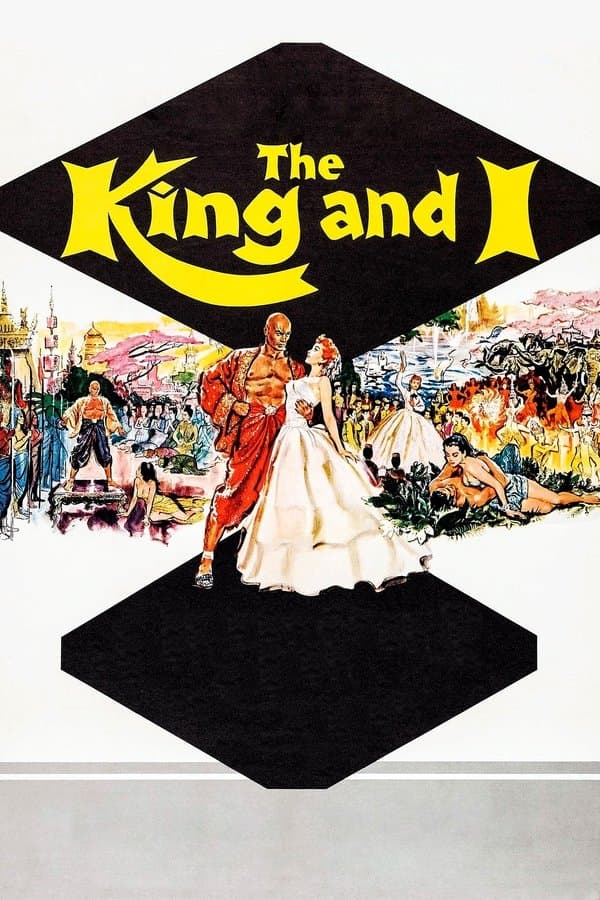
The King and I
1956 • Drama, History, Romance • G
Widowed Welsh mother Anna Leonowens becomes a governess and English tutor to the wives and many children of the stubborn King Mongkut of Siam. Anna and the King have a clash of personalities as she works to teach the royal family about the English language, customs and etiquette, and rushes to prepare a party for a group of European diplomats who must change their opinions about the King.
Runtime: 2h 13m
Buy related books from Amazon
As an Amazon Associate I earn from qualifying purchases. Read the full disclosure.
Why you should read the novels
Love The King and I (1956)? Go deeper with the true sources that inspired it. Start with Margaret Landon’s Anna and the King of Siam and Anna Leonowens’s own memoirs, The English Governess at the Siamese Court and The Romance of the Harem, to explore the real Bangkok court of King Mongkut.
These books deliver historical detail the movie can’t, from palace customs and court politics to education reforms and encounters with Western diplomacy. Discover richly drawn portraits of Mongkut, the royal family, and the women of the palace, told through firsthand observation and careful adaptation.
For readers seeking authentic history, cultural context, and nuanced character studies, the source books reward every page. Perfect for book clubs, travelers to Thailand, and fans of classic Hollywood curious about the real story behind the legend—read the books before (or instead of) rewatching the film.
Adaptation differences
The 1956 film adapts Rodgers and Hammerstein’s stage musical, which itself is based on Margaret Landon’s novel, adapted from Anna Leonowens’s memoirs. Each layer adds changes. Where Leonowens offers reportage and Landon shapes it into a popular novel, the musical and movie streamline events, heighten drama, and add songs, humor, and spectacle to emphasize entertainment over documentation.
Romance and tone shift notably. The movie suggests a tender, unspoken attraction between Anna and King Mongkut (iconically in Shall We Dance?), while the books emphasize a professional, often contentious teacher–adviser relationship. Leonowens portrays a learned, complex monarch; the film leans into a charismatic, sometimes comic autocrat with simplified dialogue and catchphrases, softening political and religious debates found in the texts.
The Tuptim storyline is also reshaped. In Landon’s novel (drawing on Leonowens’s accounts), Tuptim’s punishment is severe and explicit; the film softens and partly obscures her fate and introduces the stylized Small House of Uncle Thomas ballet—a theatrical invention that externalizes themes of oppression and freedom, rather than a documented court performance from the memoirs.
Timeline and outcomes are condensed for emotional impact. The movie places Anna at Mongkut’s deathbed for a cathartic farewell; historically, and in the source accounts, she had already left Siam before his death. Political subplots and numerous court figures are merged into composites (for example, a prominent First Wife figure) or omitted, and intricate discussions of slavery reform, language, and diplomacy in the books become a few high-stakes set pieces onscreen—polished, memorable, and dramatically clear, but far less detailed than the sources.
The King and I inspired from
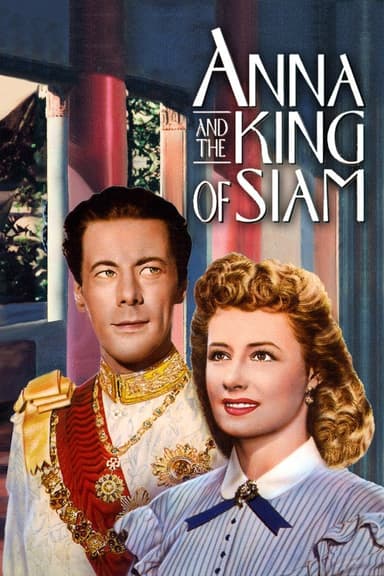
Anna and the King of Siam
by Margaret Landon
The Romance of the Harem
by Anna Leonowens
The English Governess at the Siamese Court
by Anna Leonowens