
The Last Detail
1973 • Comedy, Drama • R
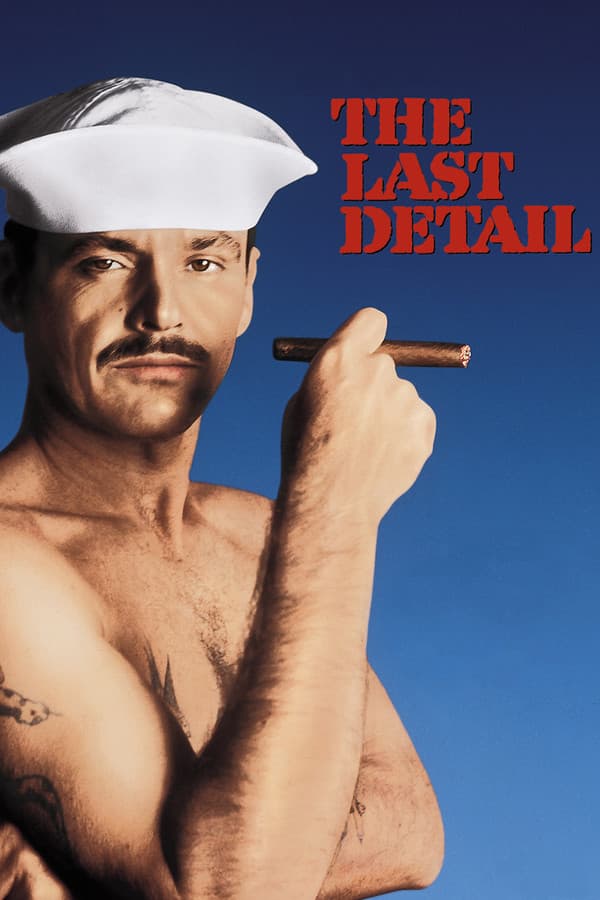
Two Navy men are ordered to bring a young offender to prison, but decide to show him one last good time along the way.
Runtime: 1h 44m
Buy related books from Amazon
As an Amazon Associate I earn from qualifying purchases. Read the full disclosure.
Why you should read the novel
Before you watch the film, discover The Last Detail by Darryl Ponicsan, the razor-sharp novel that launched this unforgettable story. The book delivers unfiltered insight into Navy life, friendship, and authority that only prose can sustain. Its voice-driven intensity and emotional nuance make every mile of the journey sting and sing.
Reading the source novel gives you deeper character development, richer dialogue rhythms, and a sharper critique of military bureaucracy. Ponicsan’s pages explore the private doubts and desires that the camera can only hint at, creating a fuller, more immersive experience. If you value literary depth, this is the definitive way to meet Buddusky, Mulhall, and Meadows.
For fans of character-driven fiction, road narratives, and late-20th-century American realism, The Last Detail is essential reading. Skip the passive viewing and engage directly with Ponicsan’s precise language, moral complexity, and bleak humor. Start with the book to appreciate the film’s roots—and why the original remains unsurpassed.
Adaptation differences
The novel The Last Detail offers sustained interiority—especially for Buddusky and Mulhall—that the film necessarily externalizes. On the page, readers hear the sailors’ private calculations, resentments, and flashes of compassion, along with Meadows’s fear and shame. The movie conveys much of this through performance and staging, but the book’s point-of-view depth clarifies motivations and moral gray zones the screen can only suggest.
Tonally, the book skews darker and more caustic, while the film balances profane humor with a warmer, melancholy humanism. Ponicsan’s prose lingers on institutional pettiness and the corrosive effects of rank and routine; the adaptation preserves that critique but softens certain edges through pacing, framing, and implication. Some explicit moments that are detailed in the novel are abbreviated or suggested in the film to keep momentum and focus.
Structurally, the film streamlines the itinerary and compresses time, combining or trimming detours and side characters that broaden the book’s social canvas. The novel’s slower stretches accentuate monotony, bureaucracy, and the incremental bonding among the trio. On screen, these stretches are tightened into a lean road narrative, emphasizing key set pieces and sharpening the story’s arc for a theatrical runtime.
In emphasis, the movie foregrounds the fragile, moment-to-moment camaraderie of the three men, culminating in a poignant sense of inevitability. The book, while equally compassionate, dwells longer on the systemic forces shaping their choices and the moral residue after the journey ends. The result is a film that resonates through behavior and mood, versus a novel that leaves a deeper aftertaste of institutional critique and inner reckoning.
The Last Detail inspired from
The Last Detail
by Darryl Ponicsan