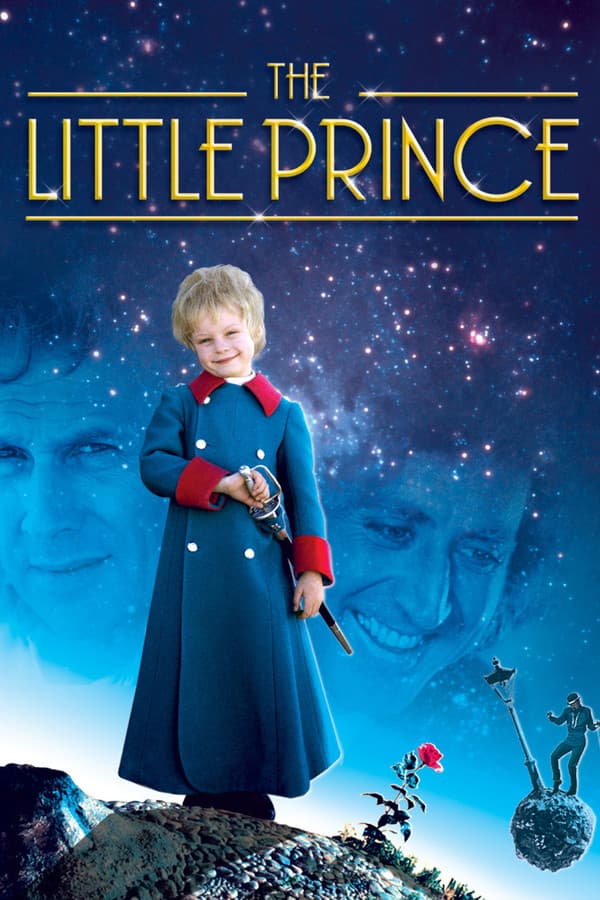
The Little Prince
1974 • Family, Fantasy, Music, Science Fiction • G
After a pilot is forced to make an emergency landing in the Sahara Desert, he befriends a young prince from outer space; the friendship conjures up stories of journeys through the solar system for the stranded aviator.
Runtime: 1h 28m
Buy related books from Amazon
As an Amazon Associate I earn from qualifying purchases. Read the full disclosure.
Why you should read the novel
Before you watch the 1974 film, experience The Little Prince by Antoine de Saint-Exupéry in its original literary form. The book’s poetic voice, timeless insights, and author-illustrated drawings invite readers into an intimate journey the screen can only suggest. Reading the novella reveals delicate layers of meaning, symbolism, and empathy that reward reflection long after the final page.
For students, parents, and lifelong learners, reading The Little Prince book nurtures curiosity and critical thinking. Themes of friendship, responsibility, love, and loss unfold with gentle clarity, making it ideal for book clubs, classrooms, and family reading. The concise chapters and memorable quotes are perfect for discussion and personal growth.
If you’re searching for a classic to keep on your shelf, The Little Prince in English offers unmatched re-read value. Its universal life lessons resonate at any age, and the original illustrations deepen the emotional impact. Choose the book to connect directly with Saint-Exupéry’s voice—authentic, lyrical, and profoundly moving—before or instead of a screen adaptation.
Adaptation differences
Medium and tone: the 1974 movie is a live-action musical, while the book is a first-person poetic narrative. Songs, choreography, and spectacle replace much of the novella’s interior monologue and quiet, reflective pacing, shifting the emphasis from contemplative reading to performative scenes.
Structure and selection: the film condenses, reorders, or omits some planetary episodes, focusing on a handful of encounters and set pieces. This streamlining creates a clearer dramatic arc for viewers, but reduces the book’s episodic rhythm and the accumulating moral contrasts presented by the various adults the Little Prince meets.
Characterization and imagery: the Pilot in the movie speaks more openly than the book’s introspective narrator, while the Fox, Snake, and Rose are adapted through performance and song. Dance and staging recast the Snake as a charismatic showman, and visual metaphors from the illustrations (like baobabs and certain desert images) are simplified or shortened on screen.
Ending and emphasis: the novella closes with lingering ambiguity and a powerful invitation to imagine what cannot be shown. The film offers a more direct, emotionally guided resolution, leaning toward reassurance. As a result, themes of memory, loss, and responsibility feel gentler in the adaptation, whereas the book preserves a starker, more haunting afterglow that invites personal interpretation.
The Little Prince inspired from
The Little Prince
by Antoine de Saint-Exupéry