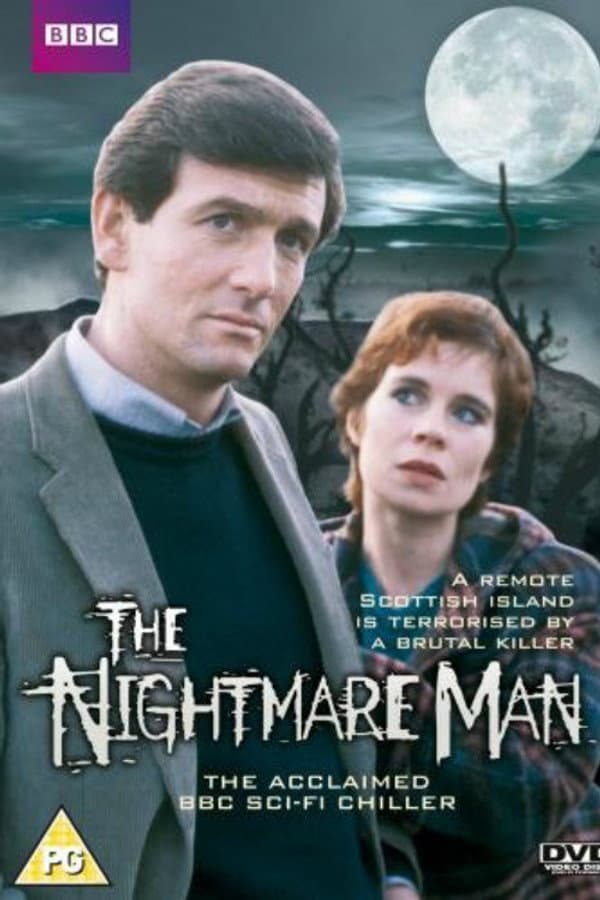
The Nightmare Man
1981 • Fantasy, Horror, Mystery, Science Fiction, TV Movie
A heavy fog cuts the small isolated Scottish island off from the mainland, and dentist Michael Gaffikin has just discovered a dismembered corpse on the golf links. Michael and his artist girlfriend, Fiona Patterson, assist the local law enforcements in searching for the murderer. However, as the body count rises and the surrounding circumstances turn increasingly bizarre and gruesome, everyone begins to wonder if the killer is a human or an unimaginable creature...
Runtime: 1h 58m
Buy related books from Amazon
As an Amazon Associate I earn from qualifying purchases. Read the full disclosure.
Why you should read the novel
If you are intrigued by The Nightmare Man (1981), discover the deeper chills in Child of Vodyanoi by David Wiltshire. The original novel captures a richer psychological dread, layering island folklore with Cold War unease to create a slow-burn mystery you can savor at your own pace.
Reading David Wiltshire's Child of Vodyanoi means more than following the plot; it immerses you in the islanders' fears, the isolated terrain, and the creeping suspicion that turns neighbors into suspects. The book offers atmosphere the screen can only hint at, with nuanced motivations and clues that reward careful reading.
Before pressing play, pick up the source novel. Child of Vodyanoi delivers the full measure of tension, character depth, and thematic resonance behind The Nightmare Man (1981). For fans of intelligent suspense and grounded science-tinged thrillers, this is the definitive way to experience the story.
Adaptation differences
Format and pacing set the adaptation apart immediately: The Nightmare Man (1981) is a four-part BBC television serial, while Child of Vodyanoi is a self-contained novel that unfolds over a longer, more contemplative timeline. The book lingers on internal doubts, local routines, and investigative dead ends; the screen version compresses events and spotlights cliffhangers.
Tone and genre balance diverge. David Wiltshire's novel leans toward psychological thriller and Cold War procedural, weaving folklore as misdirection. The TV adaptation foregrounds monster-mystery suspense and visual menace, streamlining scientific and espionage background in favor of immediate tension, chases, and set pieces suited to episodic drama.
Setting texture changes, too. On the page, island life feels granular—weather, work rhythms, and community ties shape the investigation. The series preserves the Scottish-island premise but necessarily condenses local detail and folklore context. Filming locations provide striking coastal imagery, yet the book's cultural nuance and mythic undertones, including the significance of the Vodyanoi idea, are more pronounced in print.
Plot mechanics and characters are tightened for television. The adaptation merges or trims supporting roles, simplifies red herrings, and clarifies the reveal more briskly. The novel offers more layered motives, technical explanation, and ambiguity around the threat's origins, while the series delivers a cleaner, faster resolution designed for broad accessibility and weekly broadcast momentum.
The Nightmare Man inspired from
Child of Vodyanoi
by David Wiltshire