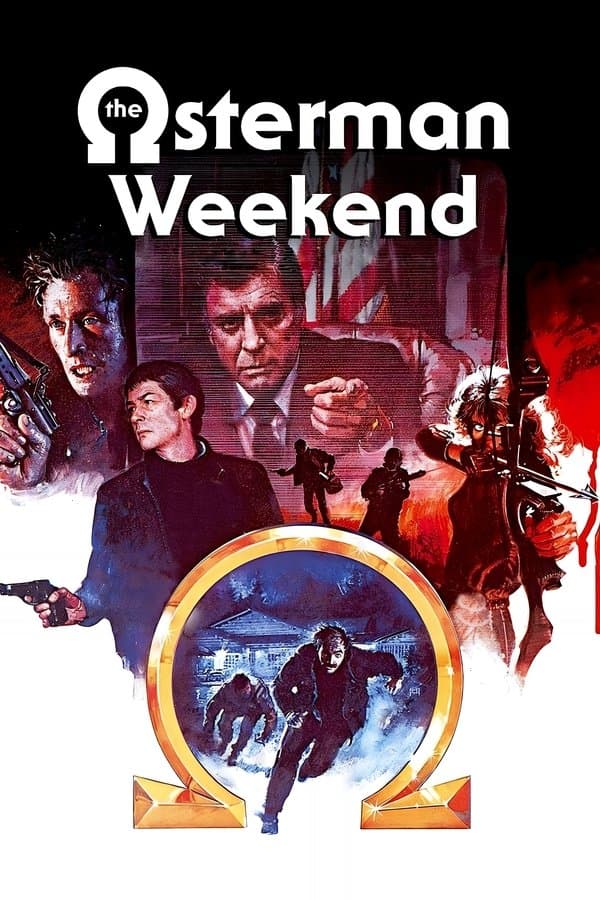
The Osterman Weekend
1983 • Action, Drama, Thriller • R
The host of an investigative news show is convinced by the CIA that the friends he has invited to a weekend in the country are engaged in a conspiracy that threatens national security.
Runtime: 1h 43m
Buy related books from Amazon
As an Amazon Associate I earn from qualifying purchases. Read the full disclosure.
Why you should read the novel
If you love high-stakes espionage, read Robert Ludlum’s The Osterman Weekend before you press play. The novel delivers richer Cold War intrigue, layered conspiracies, and razor‑sharp psychological tension that a two-hour film can’t match.
Ludlum’s book deepens every relationship at the heart of the story. You’ll explore John Tanner’s friendships, loyalties, and doubts in far greater detail, uncovering motives and secrets that transform each twist into a genuine shock. It’s the definitive way to experience this iconic spy thriller.
For fans of classic suspense fiction, The Osterman Weekend novel offers immersive pacing, elegant misdirection, and an ever-tightening web of paranoia. Discover why readers still choose the book when they want the fullest version of Ludlum’s masterful plot.
Adaptation differences
The film of The Osterman Weekend retools the story’s engine to foreground surveillance and spectacle. Sam Peckinpah opens with a sensational assassination that gives the CIA operative a personal vendetta—an attention-grabbing movie device that isn’t a driver in Ludlum’s novel. The book’s tension builds from suspicion and manipulation rather than a single shocking inciting crime.
Technology and tone also diverge. The movie leans into banks of hidden cameras, live video feeds, and voyeuristic imagery, turning Tanner’s home into a panopticon. The 1972 novel, by contrast, relies more on psychological pressure, face‑to‑face probing, and institutional deceit—reflecting an earlier Cold War moment and yielding a slower-burn paranoia.
Characterization is streamlined on screen. The film condenses Tanner’s circle of friends and shifts dynamics to keep the plot sprinting, while the book spends substantial time on backstories, marriages, and professional entanglements. As a result, allegiances in the novel feel more ambiguous, and the impact of betrayals lands harder because we know the players more intimately.
Most importantly, the conspiracy’s shape and the ultimate revelations differ. The adaptation simplifies the “Omega” operation and redistributes culpability—especially within the intelligence hierarchy—so the finale erupts into action and siege. Ludlum’s ending is more investigative and reputational, emphasizing exposure, consequences, and institutional rot over spectacle, with the identity of the true manipulators and their motives unfolding in a more layered, methodical reveal.
The Osterman Weekend inspired from
The Osterman Weekend
by Robert Ludlum