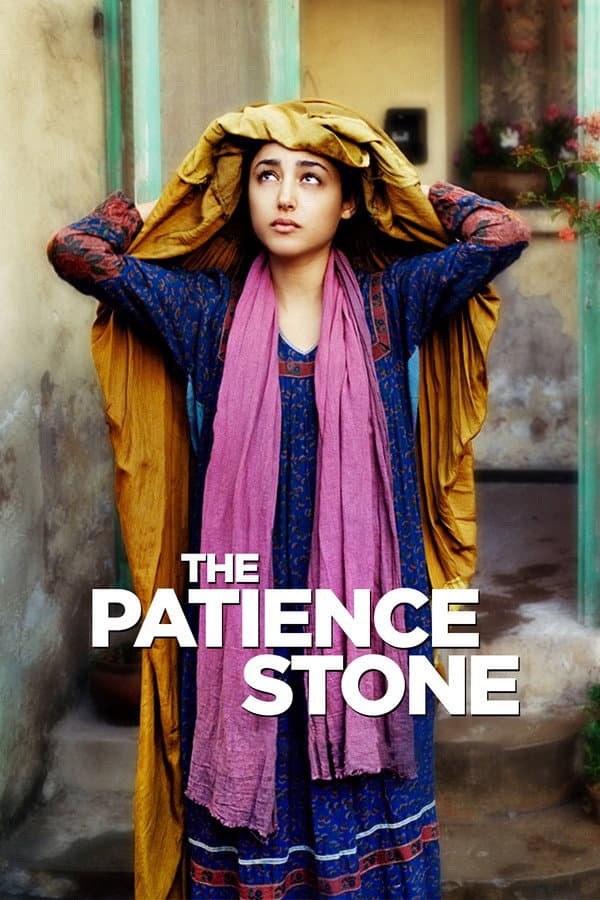
The Patience Stone
2013 • Drama, War • R
In a war-ridden country, a woman watches over her husband, comatose from a bullet in the neck and abandoned by Jihad companions and brothers. One day, the woman decides to say things to him she could never have done before.
Runtime: 1h 42m
Buy related books from Amazon
As an Amazon Associate I earn from qualifying purchases. Read the full disclosure.
Why you should read the novel
Before you stream The Patience Stone (2013), immerse yourself in Atiq Rahimi’s acclaimed novel The Patience Stone in English. Its spare, poetic prose brings fierce emotional clarity to a woman’s secret confessions during wartime.
Reading the book delivers the unfiltered interior voice that no screen can fully capture. Rahimi’s symbolism—the mythical “patience stone” that absorbs pain until it shatters—unfurls with nuance, cultural detail, and award‑winning literary craft.
If you value powerful storytelling, feminist themes, and unforgettable character depth, choose the novel first. Discover why readers and critics hail The Patience Stone as essential world literature—and a richer experience than the movie alone.
Adaptation differences
Book vs movie: voice and interiority. The novel unfolds primarily through an intimate confessional interior monologue, giving you direct access to the narrator’s thoughts, memories, and contradictions. The film, by necessity, externalizes this through performance, silence, and selective dialogue, resulting in fewer digressions but a stronger visual presence.
Structure and pacing differ. On the page, The Patience Stone moves with meditative, episodic rhythms that let key metaphors and prayers echo. The screen adaptation compresses and rearranges moments for cinematic momentum—using pauses, close‑ups, and visual beats to sustain tension in ways distinct from the book’s reflective pacing.
World‑building shifts from suggestive to concrete. The novel preserves deliberate ambiguity about place and time, while the movie gives you streets, uniforms, and rooms that ground the conflict. Cultural cues that are implied in prose become specific sights and sounds, changing how you sense danger, community, and surveillance.
Tone and emphasis evolve in adaptation. The book’s language can be raw yet lyrical, lingering on taboo subjects with symbolic force. The film calibrates what to show or leave off‑screen, at times amplifying immediacy or softening explicitness. Core themes remain, but the emotional aftertaste differs: readers dwell inside the protagonist’s psyche; viewers assemble meaning from images and silence.
The Patience Stone inspired from
The Patience Stone
by Atiq Rahimi