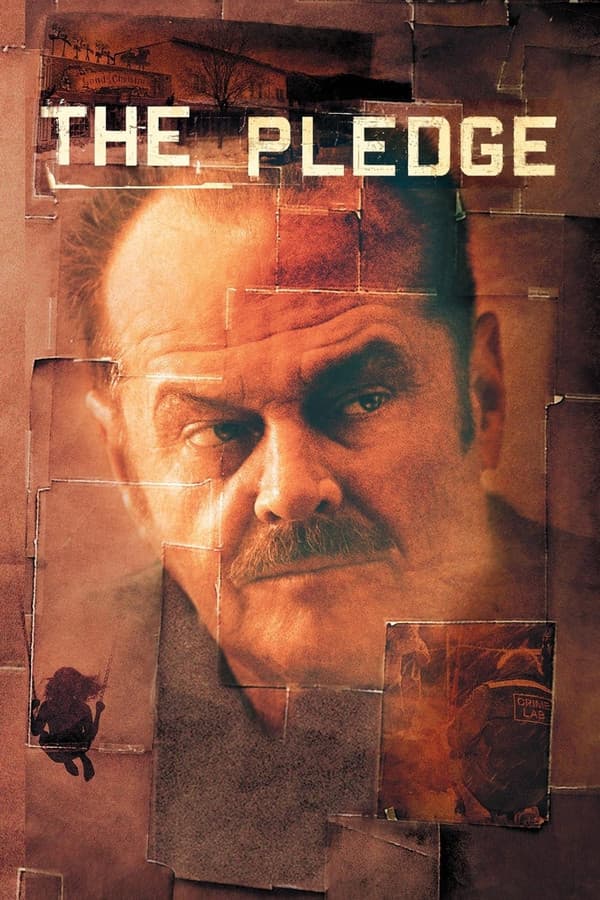
The Pledge
2001 • Crime, Drama, Mystery, Thriller • R
A police chief, about to retire, pledges to help a woman find her daughter's killer.
Runtime: 2h 4m
Buy related books from Amazon
As an Amazon Associate I earn from qualifying purchases. Read the full disclosure.
Why you should read the novel
Before you press play, discover the source that shaped it all. Friedrich Dürrenmatt’s The Pledge: Requiem for the Detective Novel is a concise, chilling masterwork of Swiss crime fiction that dismantles genre certainties while heightening suspense. Its alpine setting, moral complexity, and razor-sharp prose offer a depth and clarity the screen can only suggest.
Reading the novel reveals Dürrenmatt’s brilliant critique of detective stories themselves—how tidy plots fail before real-world chaos. In acclaimed English translations, the book’s framing narrative and philosophical bite make every page a fresh revelation, perfect for readers who crave intelligence alongside tension.
Choose the original vision to experience the full force of its ideas, precise structure, and unforgettable atmosphere. The Pledge is a quick, haunting read for book clubs, true-crime enthusiasts, and literary noir fans who want the author’s intent, not just the adaptation’s interpretation.
Adaptation differences
Setting and character identities shift significantly. Dürrenmatt’s novel unfolds in Switzerland, steeped in alpine towns, provincial politics, and European policing culture, while the film relocates the story to the American West, renaming characters and reframing social context, customs, and institutional pressures.
The book is famously framed as a conversation critiquing detective fiction—an author figure hears a retired police official recount the case, turning the narrative into a meta-argument about chance and method. The film drops this essayistic frame, opting for a mostly linear, immersive character study that emphasizes psychological deterioration over literary debate.
Both versions center on a detective who makes a solemn promise and sets a risky trap, yet their emphases diverge. On the page, the killer remains largely offstage, and cruel coincidence undermines the detective’s logic, turning the pledge into a tragic obsession. On screen, visual cues and suggestive breadcrumbs create suspense, but the ending works primarily as a portrait of unraveling certainty and isolation.
Tone and thematic focus also differ. The novel is lean, philosophical, and intentionally anti-heroic, withholding neat catharsis to expose the limits of deduction. The film amplifies character relationships, institutional conflicts, and procedural missteps for dramatic impact. Where the book’s cool, ironic distance indicts our craving for tidy resolutions, the adaptation foregrounds mood, performance, and atmosphere to make that indictment felt rather than argued.
The Pledge inspired from
The Pledge: Requiem for the Detective Novel
by Friedrich Dürrenmatt