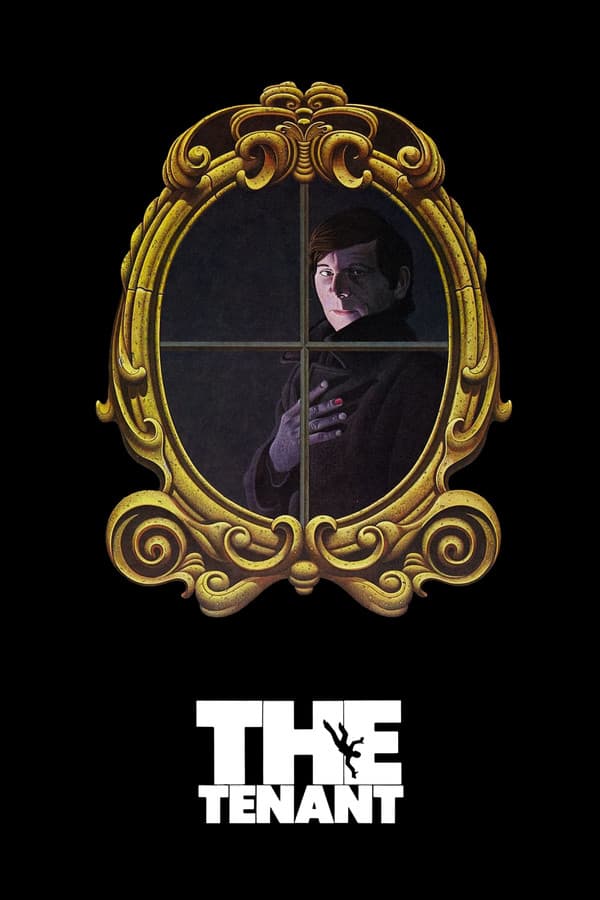
The Tenant
1976 • Drama, Mystery, Thriller • R
A quiet and inconspicuous man rents an apartment in Paris where he finds himself drawn into a rabbit hole of dangerous paranoia.
Runtime: 2h 6m
Buy related books from Amazon
As an Amazon Associate I earn from qualifying purchases. Read the full disclosure.
Why you should read the novel
Before you press play on the 1976 film, experience The Tenant as Roland Topor intended: on the page. The Tenant novel delivers an intimate, nerve-pricking descent into paranoia, rendered with razor-sharp wit, grotesque humor, and a voice that puts you directly inside Trelkovsky’s crumbling psyche.
Reading The Tenant book unlocks layers the movie can only suggest—subtle social satire, immigrant anxiety, and linguistic play that turn everyday encounters into existential horror. Topor’s prose makes the walls close in, scene by scene, building a tension that lingers long after the last page.
If you’re searching for “The Tenant novel,” “Roland Topor book,” or the definitive psychological horror read, choose the source. Discover why the cult film exists at all: read The Tenant and let Topor’s original vision haunt your imagination first.
Adaptation differences
The biggest difference between The Tenant book and movie is perspective and tone. Topor’s novel is an intensely subjective, first-person spiral—paranoid, caustically funny, and verbally vivid—while the Roman Polanski adaptation externalizes that dread through camera, production design, and sound, trading much of the book’s black-comic bite for sustained atmospheric unease.
Characterization and social satire also diverge. On the page, Trelkovsky’s inner voice exposes petty humiliations, xenophobic slights, and bureaucratic absurdities with savage clarity. The film streamlines supporting figures and condenses episodes, emphasizing oppressive mood over the novel’s sharper caricatures and bitter humor, which makes the neighbors feel more mysteriously hostile than satirically skewered.
Structurally, the movie tightens and reshapes events for visual impact—heightening recurring images and cyclical patterns—whereas the book leans into unreliable narration and semantic slippage, letting meaning erode through language. Pacing differs, too: Topor’s chapters accumulate dread through small, cutting observations; the film favors set pieces and visual motifs to communicate identity dissolution.
Finally, the endings feel distinct in effect. Readers of the Roland Topor novel encounter an ambiguity rooted in voice and interior fracture; viewers of the Polanski film face a more conspicuous, loop-like closure shaped by images. In short, The Tenant book vs movie comes down to medium: the novel weaponizes language and bitter humor, while the adaptation translates paranoia into architecture, sound, and performance.
The Tenant inspired from
The Tenant
by Roland Topor