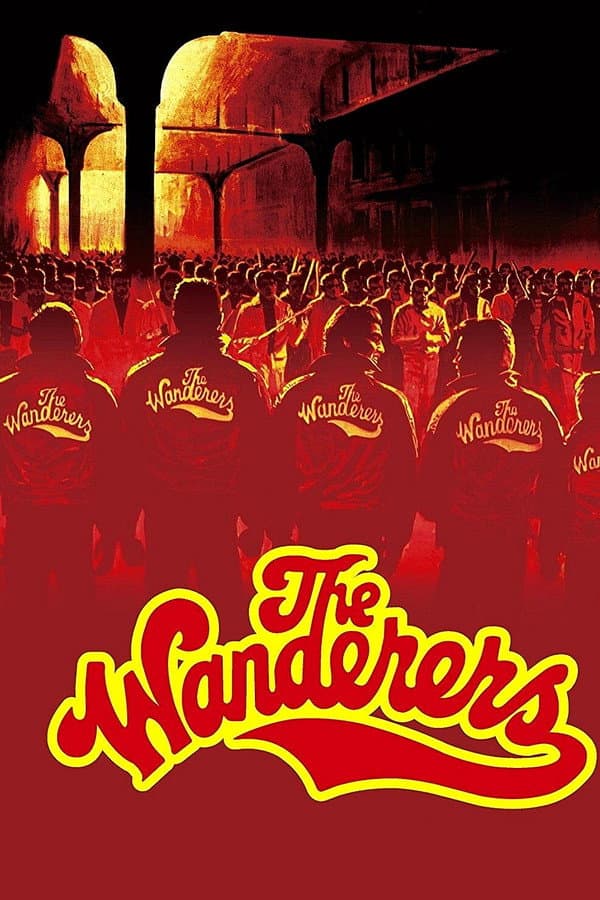
The Wanderers

The Wanderers

1979 • DramaR
The streets of the Bronx are owned by '60s youth gangs where the joy and pain of adolescence is lived. Philip Kaufman tells his take on the novel by Richard Price about the history of the Italian-American gang ‘The Wanderers.’
Runtime: 1h 57m
Buy related books from Amazon

As an Amazon Associate I earn from qualifying purchases. Read the full disclosure.

Why you should read the novel

Before you stream the film, discover the source that started it all: The Wanderers by Richard Price. Published in 1974, this landmark coming-of-age novel captures the Bronx with stunning authenticity, delivering the raw textures, street slang, and moral crosswinds that a two-hour movie can only hint at. Reading The Wanderers puts you inside the characters’ heads—letting you feel every conflicted choice, every fragile alliance, every bitterly funny moment. Price’s razor-sharp dialogue and layered perspectives build a world where loyalty, fear, first love, and survival collide, revealing nuances and backstories that never make it to the screen. If you crave deeper character arcs, richer social context, and the unfiltered pulse of 1960s New York, pick up Richard Price’s The Wanderers. It’s perfect for book clubs, urban-lit fans, and anyone who wants the full, unforgettable story behind the movie.

Adaptation differences

Structure and scope: Richard Price’s novel unfolds as a mosaic of interlinked episodes, spanning multiple years and corners of the Bronx. The movie streamlines that sprawl into a more linear narrative set primarily around 1963, compressing time and condensing plotlines for momentum and clarity. Tone and intensity: On the page, The Wanderers is grittier and more unvarnished—its violence, sexuality, and street-level anxieties land with blunt force. The film leans into dark humor, stylization, and a nostalgia-infused doo-wop soundtrack, softening edges and reframing scenes with a bittersweet, crowd-pleasing vibe. Character depth and subplots: The book digs deeper into the gang’s inner lives—Richie, Joey, Turkey, Buddy, Despie, and others—through interior monologue and extended backstories. The adaptation trims or merges side characters, simplifies relationships, and prioritizes a tighter focus on Richie and Joey, leaving several book-specific threads (including more harrowing family dynamics and personal consequences) either abbreviated or omitted. Iconic moments and mythmaking: The film magnifies set pieces—most notably the ominous, near-mythic presence of the Ducky Boys and a large cemetery confrontation—into cinematic spectacle. The novel presents rival crews with greater everyday specificity and broader social texture, while the movie anchors emotion around signature moments (including the JFK assassination news), whereas the book spreads historical change more gradually across its chapters.

The Wanderers inspired from

The Wanderers
by Richard Price

Movies by the same author(s) for
The Wanderers