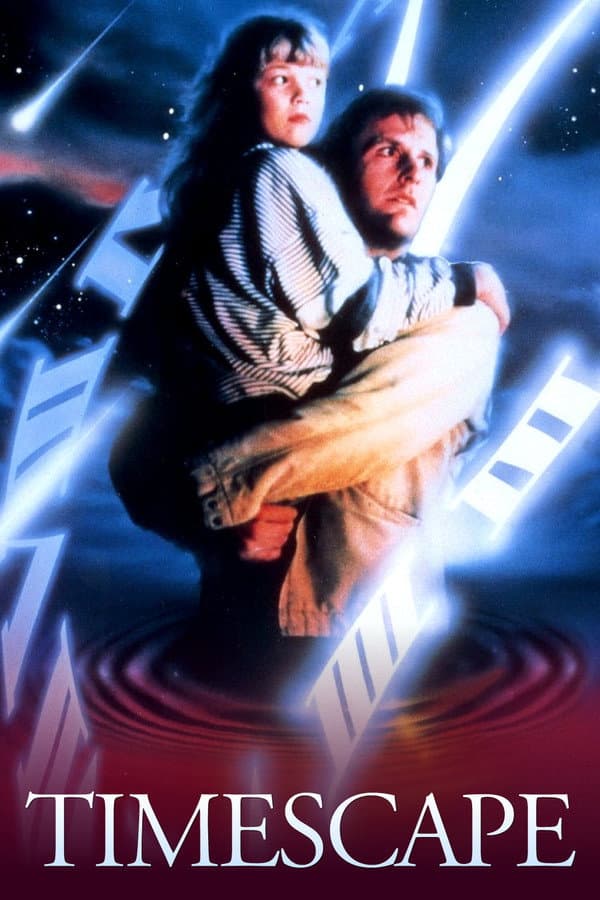
Timescape
1992 • Adventure, Science Fiction • PG-13
Before they can complete renovations on their new country inn, a widowed father and his young daughter are visited by a strange group of tourists. He soon makes a chilling discovery: they are disaster junkies from the future who visit the past to witness history's greatest catastrophes—and his small town is their next stop.
Runtime: 1h 39m
Buy related books from Amazon
As an Amazon Associate I earn from qualifying purchases. Read the full disclosure.
Why you should read the novel
Discover Vintage Season by Henry Kuttner and C. L. Moore, a seminal time‑travel classic that inspired the film. With crystalline prose and eerie calm, it imagines future tourists who visit our greatest tragedies as if they were perfect vacations, raising haunting questions about beauty, suffering, and spectatorship.
Reading the original novella delivers a richer, more intimate experience than the screen can offer. Its slow-blooming mystery, morally provocative twists, and precise psychological detail invite you to linger over each revelation—ideal for science fiction readers who crave depth, atmosphere, and lasting resonance.
If you loved the premise of Timescape, the book’s razor‑sharp focus and literary sophistication make it essential. Short, unforgettable, and frequently anthologized, Vintage Season is a cornerstone of Golden Age SF that rewards rereading and sparks thoughtful book‑club discussion long after the final page.
Adaptation differences
Timescape (1992) reframes Vintage Season’s meditative, ethically unsettling tale as a more commercial thriller. The book is quiet, interior, and observational, while the film emphasizes escalating peril, race‑against‑time suspense, and clearer heroism to fit mainstream genre expectations.
Character focus and relationships shift significantly. The novella centers on an ordinary man whose home becomes a vantage point for inscrutable visitors; the movie spotlights a small‑town innkeeper and his child, recasting the tension as familial stakes and urgent protection rather than a solitary narrator’s dawning dread.
The mechanics and ethics of time tourism diverge in emphasis. Vintage Season foregrounds detached observation, aestheticized recordings, and the moral chill of witnessing catastrophe for pleasure, whereas Timescape adds action-forward constraints, near‑misses, and attempts to alter outcomes—shaping time travel into a catalyst for confrontations and rescue rather than a vehicle for uneasy contemplation.
Endings and themes land differently. The book’s conclusion is haunting and fatalistic, sharpening its critique of complicity and the costs of curiosity; the film trends more toward resolution and catharsis. Setting and period also shift—from the mid‑century urban ambience of the story to a contemporary rural backdrop—changing the mood, textures, and social context of the unfolding disaster.
Timescape inspired from
Vintage Season
by Henry Kuttner, C. L. Moore