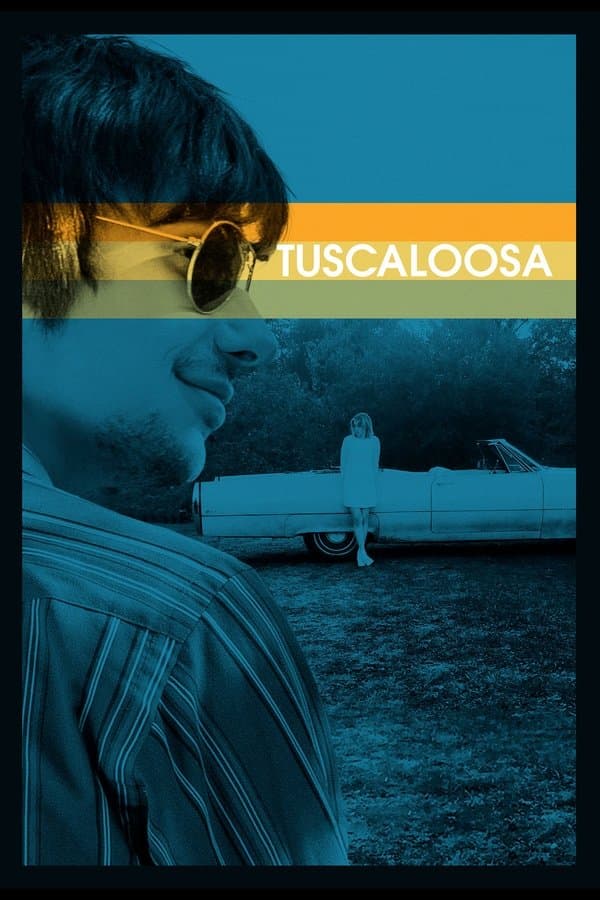
Tuscaloosa
2020 • Drama, Romance
Twenty-two and on the verge of entering high society, college graduate Billy Mitchell finds his plans changing when he falls in love with an inmate with multiple personalities at his father's mental institution.
Runtime: 1h 40m
Buy related books from Amazon
As an Amazon Associate I earn from qualifying purchases. Read the full disclosure.
Why you should read the novel
Before you hit play, discover the source: Tuscaloosa by W. Glasgow Phillips. The novel delivers a richer, more intimate coming-of-age story steeped in 1970s Alabama, where desire, race, and power collide with haunting intensity.
Phillips’s voice-driven prose pulls you inside the narrator’s conflicted mind—offering psychological nuance, social commentary, and textured Southern atmosphere that screen time can’t match. If you love literary fiction with emotional depth, the Tuscaloosa novel rewards you with layers of meaning on every page.
Choose the book over the movie for fuller character backstories, intricate subplots, and a more nuanced exploration of civil rights, mental health, and family dynamics. Read Tuscaloosa in print or ebook and experience the story the way it was originally imagined.
Adaptation differences
The 2020 film streamlines and condenses W. Glasgow Phillips’s novel, narrowing the plot and timeline to emphasize a moody romance and thriller-like momentum. The book, by contrast, offers a broader canvas that lingers on place, politics, and the protagonist’s complicated loyalties in early-1970s Alabama.
Point of view is a key shift: the novel’s first-person voice immerses you in Billy’s interior monologue—his doubts, impulses, and self-justifications—while the movie externalizes those conflicts through imagery and performance. This change softens the novel’s edgy, voice-driven textures and rebalances tone from literary introspection toward visual mood.
Character emphasis diverges, too. Secondary figures who influence Billy’s moral awakening occupy more space on the page; on screen, some are combined or trimmed, and the father–son dynamic is heightened for sharper dramatic conflict. Campus unrest and community tensions are present in the film, but the book spends more time unpacking their social and historical context.
Finally, the adaptation tends to resolve certain plot threads more cleanly, whereas the novel is more comfortable with ambiguity and conflicting interpretations. Reading Tuscaloosa illuminates motivations, backstory, and the ethical gray areas around love, medicine, and power—depths that complement, but go beyond, what the movie can cover.
Tuscaloosa inspired from
Tuscaloosa
by W. Glasgow Phillips