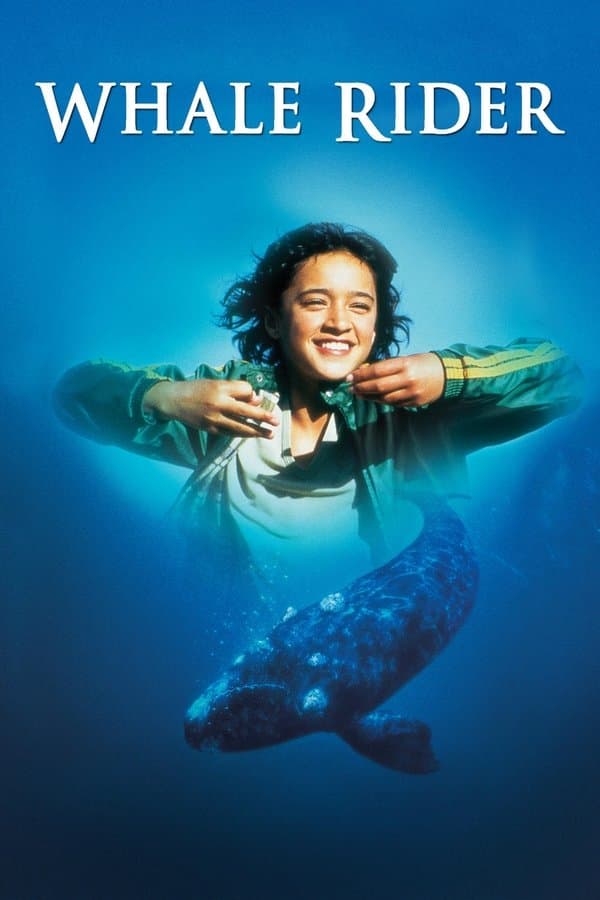
Whale Rider
2003 • Drama, Family • PG-13
A contemporary story of love, rejection, and triumph as a young Maori girl fights to fulfill a destiny her grandfather refuses to recognize.
Runtime: 1h 41m
Buy related books from Amazon
As an Amazon Associate I earn from qualifying purchases. Read the full disclosure.
Why you should read the novel
Before you press play on Whale Rider (2003), discover the depth and emotion of The Whale Rider novel by Witi Ihimaera. The book’s rich language, Māori storytelling, and layered symbolism offer a fuller cultural experience than any adaptation can capture on screen.
Reading the original novel gives you intimate access to community histories, ancestral lore, and the spiritual threads that connect people and whales. Ihimaera’s prose unfolds place, whakapapa, and identity with nuance, letting you dwell in moments the film must compress for time.
If you care about powerful indigenous fiction, buy or borrow The Whale Rider book today. It’s an inspiring, accessible read—perfect for readers seeking moving literary fiction, Māori culture, and a classic coming‑of‑age story told with heart and authenticity.
Adaptation differences
The biggest difference between the adaptation and the book is narrative perspective. The film centers tightly on Pai’s journey, while the novel is primarily narrated by her uncle Rawiri, giving readers a wider community viewpoint and intimate commentary that the camera cannot provide.
The novel also weaves in mythic chapters and passages that reflect the whales’ perspective and deep ancestral memory. The movie hints at this spirituality through imagery and music, but the book’s pages explore the mythology explicitly, creating a more pronounced strand of magical realism.
Scope and structure differ as well. The book spans more time and includes additional subplots—especially Rawiri’s experiences away from home—that illuminate themes of identity, masculinity, and cultural continuity. The film streamlines these elements to focus on family conflict and leadership expectations within Whangara, resulting in a leaner narrative arc.
Characterization shifts subtly between formats. Kahu/Pai is younger in much of the novel’s timeline, which changes how her growth is depicted; the film presents her a bit older, enabling set‑piece scenes like group training and public speeches. Koro Apirana’s traditionalism is strong in both, but the book’s broader context and commentary can make his stance feel more entrenched, while the film emphasizes intimate moments that humanize and soften him on screen.
Whale Rider inspired from
The Whale Rider
by Witi Ihimaera