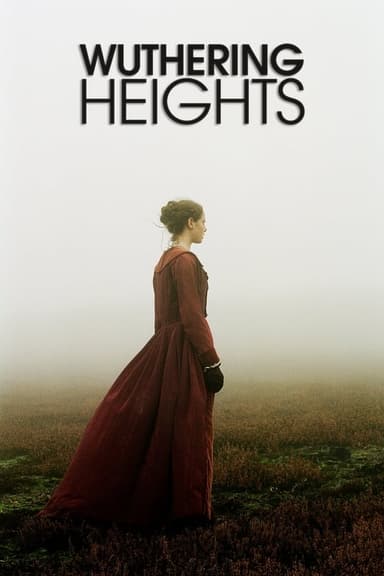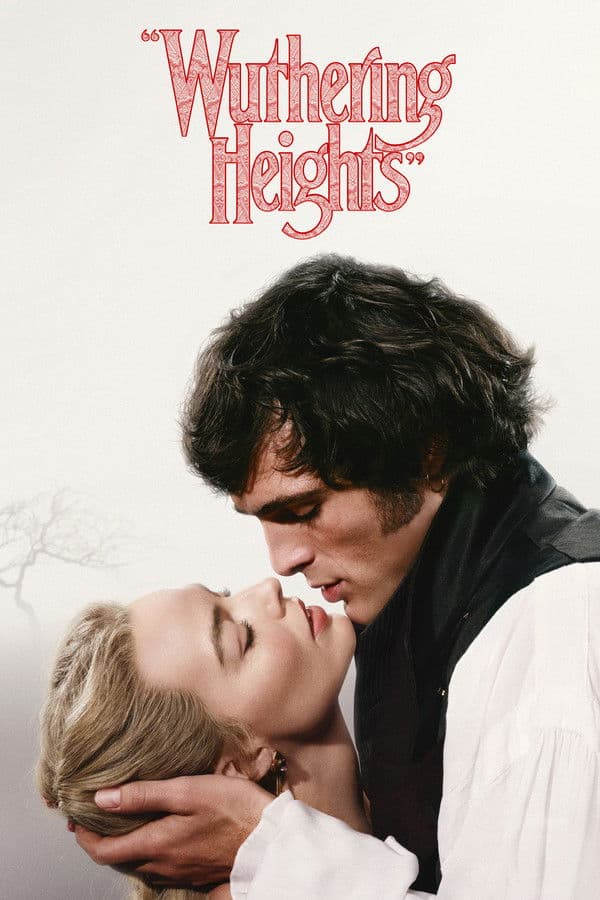
"Wuthering Heights"
2026 • Drama, Romance • R
Tragedy strikes when Heathcliff falls in love with Catherine Earnshaw, a woman from a wealthy family in 18th-century England.
Runtime: 2h 16m
Buy related books from Amazon
As an Amazon Associate I earn from qualifying purchases. Read the full disclosure.
Why you should read the novel
Before you watch any new film version of Wuthering Heights, experience the original novel by Emily Brontë. The book’s storm-lashed moors, nested narrators, and relentless psychological intensity are unmatched on screen. Reading the source lets you inhabit every shifting motive, secret, and shock that shaped this trailblazing Gothic romance.
Emily Brontë’s language is visceral and musical, capturing obsession, class anxiety, and revenge with startling honesty. You will meet Heathcliff and Catherine in their full, complicated humanity, engage with dialects and customs, and feel the era’s harsh social realities. No adaptation can reproduce the novel’s layered voices or the raw force of its prose, a cornerstone of classic English literature.
Choose the complete story by reading Wuthering Heights in unabridged form. You will follow the entire second-generation arc, absorb the haunting supernatural hints, and discover nuances most films condense or omit. Available in affordable print, ebook, audiobook, and public domain editions, it’s the definitive way to experience this Victorian novel before or instead of any new adaptation.
Adaptation differences
Note on scope: As detailed information about a 2026 film adaptation is not yet confirmed, the differences below reflect patterns seen in many screen versions compared with Emily Brontë’s novel. Use them as a guide for what adaptations typically change.
Structure and narration: The novel uses a complex frame narrative, with Mr. Lockwood recording housekeeper Nelly Dean’s long, retrospective account, plus embedded testimonies and time jumps. Films often simplify this by dropping Lockwood’s viewpoint, minimizing Nelly’s role, and presenting events chronologically. They also compress or exclude the second generation—Cathy Linton, Linton Heathcliff, and Hareton Earnshaw—which reshapes the book’s cyclical design.
Character and theme: Screen versions frequently romanticize Heathcliff and Catherine, softening cruelty, abuse, and social brutality to foreground a tragic love story. The novel emphasizes obsession, class power, inheritance law, and vengeance with unsettling severity, and it preserves Heathcliff’s moral ambiguity. Supernatural elements, including Catherine’s apparition and the eerie atmosphere of the moors, are usually toned down or rendered as ambiguity rather than persistent, haunting motifs.
Setting, dialogue, and ending: Adaptations typically update language, reduce dialect, and streamline legal and genealogical details. They compress time, skip childhood chapters, or age characters for casting practicality, and they may reshape the ending toward reconciliation or explicit redemption. The book closes on a quieter, ambiguous note after the younger generation’s hard-won growth, with the moorland setting functioning as a character in its own right—an effect most films only partially capture.
"Wuthering Heights" inspired from
Wuthering Heights
by Emily Brontë