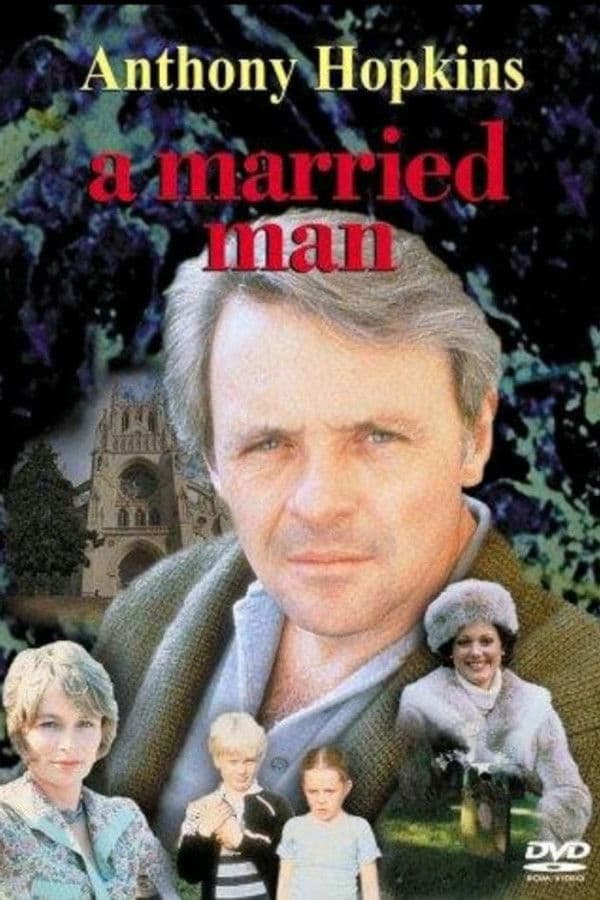
A Married Man
1983 • Drama
A bored British barrister's affair with a rich American, discovered by his wife, ends in murder.
Buy related books from Amazon
As an Amazon Associate I earn from qualifying purchases. Read the full disclosure.
Why you should read the novel
Before you stream the 1983 TV series, consider opening A Married Man by Piers Paul Read. The novel delivers the complete, unfiltered inner life of its conflicted protagonist, revealing motives, compromises, and private reckonings that television can only hint at.
Read’s prose layers moral tension with social detail, letting you feel every hesitation, rationalization, and surge of desire. If you enjoy intelligent domestic drama and subtle psychological portraits, the book offers a richer, longer-lasting experience than any screen adaptation.
For readers who value nuance, the novel’s sharp dialogue, textured London settings, and slow-burn revelations provide depth and context. Choose the book for the fullest version of the story—complex, thought-provoking, and impossible to skim.
Adaptation differences
The biggest difference between A Married Man the novel and the 1983 TV series is interiority. Piers Paul Read gives you sustained access to the lead character’s thoughts—his private doubts, desires, and self-justifications—while the series must externalize these through performance, dialogue, and implication.
Structure is also streamlined on screen. The adaptation condenses timelines, trims or merges subplots, and reduces the roles of some secondary characters to fit a limited episode count. This focuses the narrative on key relationships and set-piece confrontations, but leaves certain backstories and social textures more lightly sketched than in the book.
Tone and emphasis shift subtly. The novel leans into moral ambiguity and layered social observation; the series tends to foreground relationship dynamics and professional pressure points to maintain pace and clarity. Scenes are sometimes reordered, and a handful of moments are created or omitted to deliver episodic momentum and broadcast-friendly storytelling.
Finally, the resolution lands differently. The book’s closing chapters dwell on the consequences with reflective, lingering aftermath, while the series favors a tighter dramatic payoff. Both reach thematically similar territory, but the novel offers a broader sense of fallout and meaning—rewarding readers who want the fullest arc of cause and effect.
A Married Man inspired from
A Married Man
by Piers Paul Read