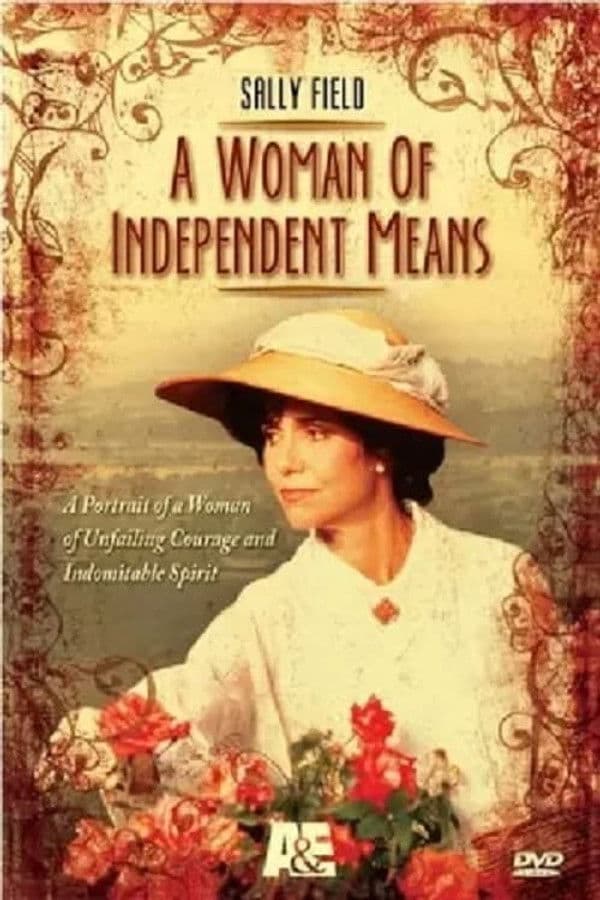
A Woman of Independent Means
1995 • Drama
Bess Steed marries her childhood sweetheart in the early part of the 20th century and begins a life in the high society of Dallas, Texas. As time goes by, things do not work out as she expects. Her husband dies of influenza, and she finds that she must pick up and carry along with her life. She proves to be a strong, committed, and loving individual who attracts new loves into her life and finds that she can take good care of the old ones. Despite further tragedy in losing her oldest son, and a second marriage that is not all that she expects it to be she continues to survive as independently as she has discovered the courage to do so.
Buy related books from Amazon
As an Amazon Associate I earn from qualifying purchases. Read the full disclosure.
Why you should read the novel
Before pressing play on the 1995 TV miniseries, discover the original vision in Elizabeth Forsythe Hailey’s novel A Woman of Independent Means. Told through letters and telegrams, the book offers an intimate, unfiltered voice that draws you directly into Bess Steed Garner’s mind and heart. This epistolary format delivers a personal, confiding immediacy no screen can fully replicate.
Readers who love historical fiction will relish the novel’s rich period detail and sweeping sense of time. From social expectations to financial risks, every choice Bess makes is rendered with nuance that rewards careful reading. The layered humor, quiet ironies, and emotional subtext unfold line by line, making the journey as compelling as the destination.
If you enjoy character-driven stories about ambition, love, loss, and self-reinvention, the book is an essential experience. Hailey’s language, wit, and insight reveal facets of Bess’s independence that a visual adaptation can only summarize. Read the novel to engage with the full depth and complexity of the original masterpiece.
Adaptation differences
The most striking difference between the TV series and the book is narrative form. The novel is epistolary, composed of letters, notes, and telegrams that place you inside Bess’s voice and worldview. The adaptation necessarily converts this into dialogue and dramatized scenes, sometimes using brief excerpts, which shifts the experience from internal reflection to external action.
Pacing and scope also change in adaptation. Decades of Bess’s life and many correspondents are condensed to fit limited screen time, with events streamlined and some sequences reordered for clarity. This keeps the story moving but can compress the gradual evolution of relationships and decisions that the novel develops across many pages and letters.
Characterization and themes tilt in emphasis. The book’s intimate first-person lens allows for sharper ambiguity about Bess’s motives, her financial acumen, and the trade-offs of independence. On screen, certain side characters may be combined or minimized, and moments of moral complexity or interior conflict can read as cleaner, more decisive beats to suit the medium’s rhythm.
Historical and social texture feel different, too. The novel embeds period detail in the language of the letters—etiquette, business dealings, and subtle social pressures register as lived experience. The series conveys era through visuals and key plot points, which can favor atmosphere over granular specificity. As a result, the book’s closing notes and emotional aftertaste may feel more open-ended and contemplative than the adaptation’s more conclusive dramatic cadence.
A Woman of Independent Means inspired from
A Woman of Independent Means
by Elizabeth Forsythe Hailey