
Bleak House
1985 • Drama
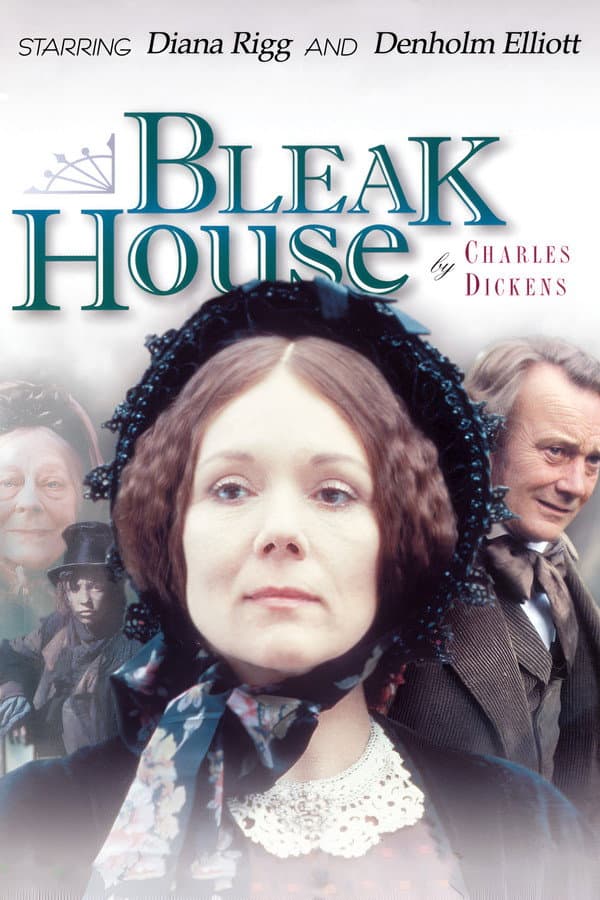
Bleak House is BBC television drama first broadcast in 1985. The serial was adapted by Arthur Hopcraft from Charles Dickens' novel Bleak House and it was the second adaptation by the BBC.
Buy related books from Amazon
As an Amazon Associate I earn from qualifying purchases. Read the full disclosure.
Why you should read the novel
Before you stream the 1985 Bleak House, consider experiencing the original Bleak House by Charles Dickens. The novel’s evocative prose, dual narrative voices, and unforgettable fog-drenched London draw you into Chancery’s labyrinth more completely than any screen can.
Dickens’s masterwork offers richer satire, deeper psychology, and grander thematic scope. Esther Summerson’s intimate first‑person chapters contrast with a razor‑sharp omniscient narrator, revealing hypocrisy, humor, tenderness, and social outrage in ways that reward attentive reading and re‑reading.
Reading the source novel puts you in control of the pace and the depth: linger with Inspector Bucket’s deductions, savor Lady Dedlock’s tragic arc, and explore editions with notes or audiobooks. For the fullest story, read Bleak House by Charles Dickens instead of only watching the TV series.
Adaptation differences
Structure and voice diverge first. The novel alternates Esther’s first‑person narration with an ironic third‑person voice; the 1985 series, bound to external action and dialogue, cannot reproduce Dickens’s layered commentary and intimate interiority.
Pacing and plotlines are streamlined for television. The adaptation condenses the Jarndyce and Jarndyce proceedings, trims or abbreviates social‑satire subplots (such as philanthropic crusades and parasitic hangers‑on), and reshapes chronology to create clearer episodic momentum and cliffhangers.
Characterization shifts to fit screen time. Certain figures are simplified or merged, motivations are clarified earlier, and the mystery surrounding Lady Dedlock and the procedural work of Inspector Bucket receive proportionally more emphasis than in the expansive novel. Even sensational moments—like Krook’s spontaneous combustion—are staged more discreetly than Dickens’s vivid, lingering description.
Themes tilt accordingly. The series accentuates the gothic mystery, romance, and legal intrigue, while the book sustains a broader social indictment of institutional delay and moral complacency. The financial and societal fallout after the lawsuit’s collapse, extensive in the novel, is handled more briefly on screen, narrowing Dickens’s sweeping critique.
Bleak House inspired from
Bleak House
by Charles Dickens


