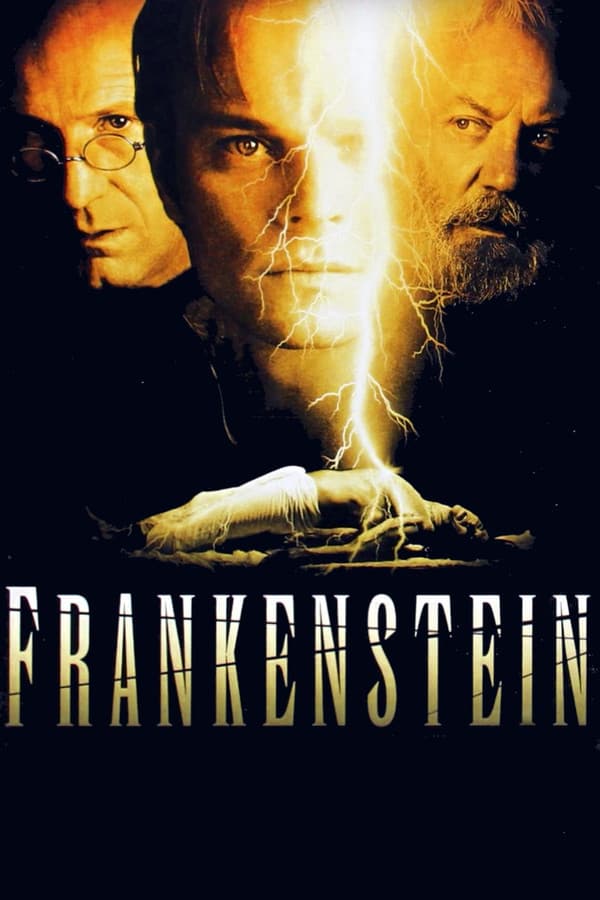
Frankenstein
2004 • Drama, Sci-Fi & Fantasy
A scientist brings life to a creature fashioned from corpses and various body parts.
Buy related books from Amazon
As an Amazon Associate I earn from qualifying purchases. Read the full disclosure.
Why you should read the novel
Before pressing play on any screen version, read Mary Shelley's Frankenstein to experience the original Gothic masterpiece that launched it all. The novel's chilling atmosphere, moral complexity, and haunting beauty simply run deeper on the page than any adaptation can capture.
Shelley’s book gives voice to both Victor Frankenstein and his Creature in a way film rarely can. You’ll encounter an articulate, philosophical narrator in the Creature, meditations on ambition and responsibility, and the unforgettable epistolary framing that immerses you in the story’s icy vastness and intimate tragedy.
For classic literature lovers, students, and curious viewers, reading Mary Shelley's Frankenstein offers context, nuance, and timeless themes about creation, empathy, and consequence. Choose a reliable, unabridged edition, and discover why this landmark novel remains essential long after the credits roll.
Adaptation differences
Key differences between the Frankenstein TV adaptation and the book begin with structure. Mary Shelley’s novel is epistolary, nesting Victor’s and the Creature’s narratives inside Captain Walton’s letters. Most screen versions streamline this into a conventional, forward-moving plot, reducing the layered, reflective framing that shapes the novel’s tone and meaning.
Characterization also shifts. On the page, the Creature is remarkably eloquent and philosophical, narrating his education, loneliness, and ethical awakening at length. Adaptations typically compress or externalize this interior voice, trading extended self-reflection for dialogue and action, which can soften the novel’s profound empathy and moral ambiguity.
Plot and setting details are reworked for visual storytelling. The book intentionally obscures Victor’s exact creation method; screen versions tend to dramatize laboratories, apparatus, and lightning for spectacle. Timelines are condensed, chases shortened, and secondary characters—Elizabeth, Henry Clerval, and Justine—often receive streamlined arcs or resequenced events to maintain momentum.
Themes and endings are tuned for clarity. While the novel dwells on guilt, responsibility, and the ripple effects of rejection—culminating in an austere Arctic coda with Walton’s crew—adaptations often minimize the mutiny subplot and provide a more definitive on-screen resolution. The result preserves the core tragedy while shifting emphasis from philosophical inquiry toward Gothic thriller urgency.
Frankenstein inspired from
Frankenstein; or, The Modern Prometheus
by Mary Shelley