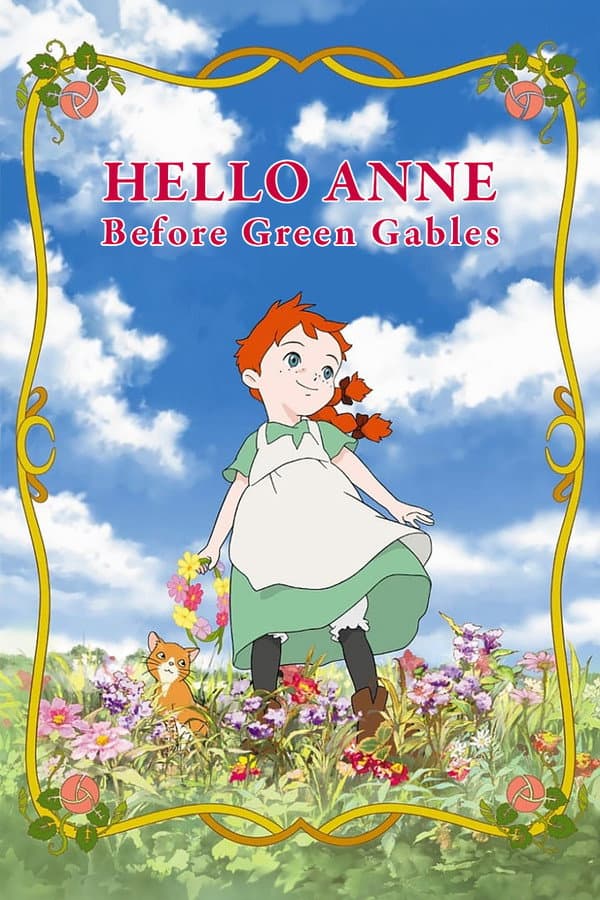
Hello Anne: Before Green Gables
2009 • Animation, Drama, Family, Kids • NR
Anne Shirley goes through many adventures before she ends up in Green Gables. After losing her parents, little Anne is taken in by the Thomas family, with whom she moves in and helps look after the children and do the housework. In the meantime, she discovers more about herself, including that her name is “Anne”, not “Ann”. She is simply adorable and her creativity brings joy to difficult days.
Buy related books from Amazon
As an Amazon Associate I earn from qualifying purchases. Read the full disclosure.
Why you should read the novels
If Hello Anne: Before Green Gables (2009) sparked your curiosity, go to the source. Budge Wilson’s Before Green Gables offers Anne Shirley’s earliest years with rich interiority, carefully researched period detail, and the unmistakable spark that animation can only hint at. Reading the novel lets you experience her hopes, humor, and heartache directly through Wilson’s compassionate, nuanced prose.
Follow it with L. M. Montgomery’s timeless Anne of Green Gables to see Anne arrive in Avonlea exactly as the author envisioned. The novel’s wit, rhythm, and warmth—Matthew and Marilla’s gentle surprises, Anne’s radiant imagination—unfold on the page with a charm and precision no screen can fully match. It’s the classic Canadian story that defined Anne’s voice for generations.
Choosing the books means getting the definitive canon, from Wilson’s authorized prequel to Montgomery’s beloved original. They’re accessible, affordable, and available in libraries and bookstores worldwide—perfect for book clubs, classrooms, and cozy weekend reading. Discover the complete literary journey and let your imagination paint the scenes beyond the frame.
Adaptation differences
Scope and pacing diverge notably. The 2009 TV series expands Wilson’s narrative into many episodic slices of daily life, often turning brief moments into full arcs and adding anime-original scenes and supporting characters to fill a season-length run. The book is tighter, moving deliberately through Anne’s key hardships and small victories with a clear, continuous throughline.
Tone and depiction of hardship also differ. Wilson’s prose faces hunger, grief, and child labor with frankness, while the series frequently softens or reframes difficult passages through gentler staging, comic relief, and comforting interludes. Viewers get a hopeful, pastoral atmosphere; readers encounter sharper edges that illuminate Anne’s resilience and moral imagination.
Characterization is filtered through medium. On screen, emotions are externalized—facial expressions, music cues, and scenic montages convey what Anne feels. In the book, Anne’s inner voice, wordplay, and reflections carry the weight, giving deeper access to her developing ideals and sense of wonder. The series sometimes amalgamates or invents side characters; the novel keeps a leaner cast tied closely to Anne’s growth.
Continuity and foreshadowing vary as well. The novel closes just as Anne’s journey toward Green Gables begins, preserving momentum into Montgomery’s classic. The series often lingers with extended farewells, visual motifs, and bridges that foreshadow Avonlea, offering a more gradual transition. Readers who go from Before Green Gables to Anne of Green Gables experience a cleaner handoff exactly as the authors intended.
Hello Anne: Before Green Gables inspired from
Before Green Gables
by Budge Wilson
Anne of Green Gables
by L. M. Montgomery