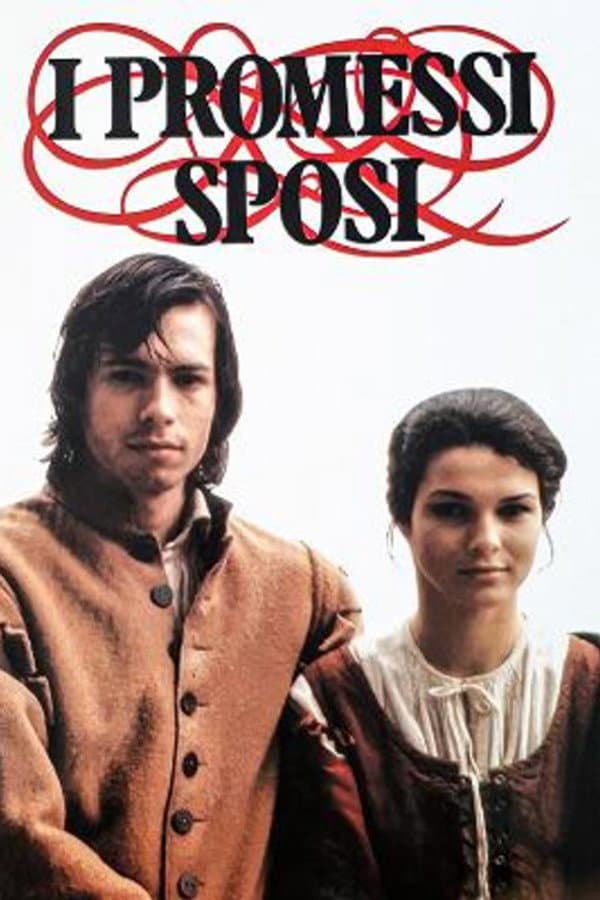
I promessi sposi
1989 • Drama
Set between 1629 and 1631. Renzo Tramaglino and Lucia Mondella are Lombard peasants forced to separate and endure a thousand vicissitudes because of the bullying of the squire Don Rodrigo. However, during their journey they will find various people willing to help them, from Friar Cristoforo to the Innominato, from Federigo Borromeo to Donna Prassede.
Buy related books from Amazon
As an Amazon Associate I earn from qualifying purchases. Read the full disclosure.
Why you should read the novel
If you enjoyed the 1989 TV series I promessi sposi, take the next step and read The Betrothed by Alessandro Manzoni in English. This cornerstone of Italian literature offers a sweeping love story set against 17th‑century Lombardy’s wars, famine, and plague, rendered with a richness no screen can fully match.
On the page, Manzoni’s distinctive narrator guides you through vivid historical detail, moral inquiry, and razor‑sharp social satire. You’ll encounter the lazzaretto, the bread riots, and the corruptions of power with context, humor, and irony that the television adaptation only hints at. The novel’s blend of romance, history, and faith rewards close reading and invites reflection.
Choose a modern English translation and experience the complete arc of Renzo and Lucia, the psychological depth of the Unnamed and Gertrude, and Manzoni’s timeless insights into justice and providence. For readers seeking classic literature that still feels urgent today, The Betrothed is the definitive choice over the TV series.
Adaptation differences
Narrative scope is the clearest difference between the 1989 adaptation and The Betrothed novel. The series compresses or streamlines Manzoni’s expansive historical digressions, authorial asides, and direct addresses to the reader, focusing instead on plot momentum and romance. The book’s panoramic treatment of famine, the bread riots, and the plague receives far more context and analysis on the page.
Characterization is also fuller in the novel. Don Abbondio’s fear, Father Cristoforo’s conscience, Gertrude’s tragic psychology, and the Unnamed’s conversion are explored through interior monologue and moral reflection that television largely externalizes. Secondary figures—Perpetua, Tonio, Gervaso, and others—often have reduced roles or combined functions on screen.
Theme and tone shift noticeably. Manzoni’s blend of satire, civic critique, and theological meditation—particularly on providence, justice, and responsibility—is softened in favor of visual spectacle, adventure, and melodrama in the series. The TV version privileges immediacy and atmosphere; the book builds arguments, irony, and ethical nuance chapter by chapter.
Structure and ending details differ as well. The adaptation condenses timelines, reorders episodes for pacing, and omits material commonly appended to the novel such as The Column of Infamy. The novel’s concluding moral reflections and linguistic play (including dialectal color) are necessarily reduced on screen, making the book the authoritative source for the story’s full meaning and scope.
I promessi sposi inspired from
The Betrothed
by Alessandro Manzoni