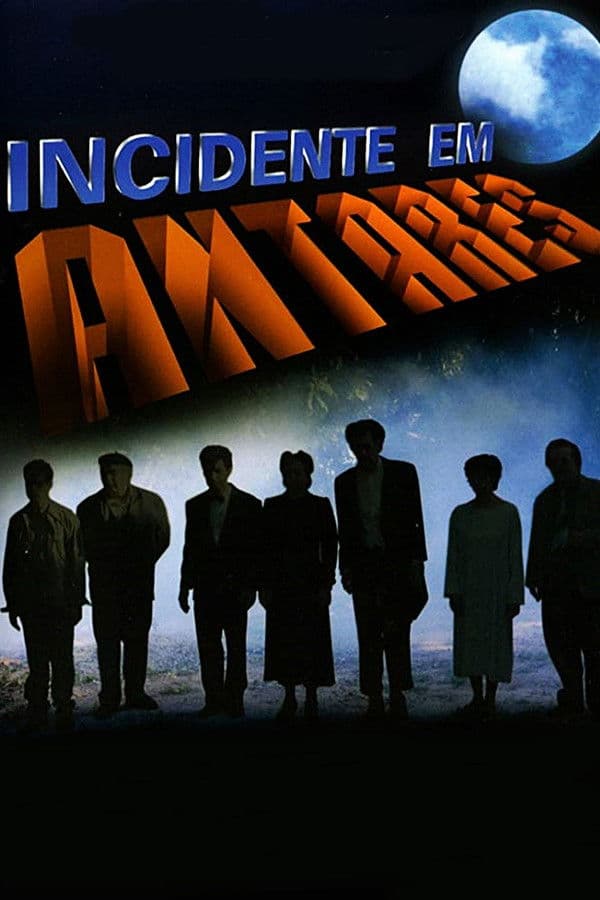
Incidente em Antares
1994 • Comedy, Drama
In the fictional town of Antares, a general strike prevents seven corpses from being buried in the local cemetery. The corpses then come back to life to demand the authorities the right to be buried.
Buy related books from Amazon
As an Amazon Associate I earn from qualifying purchases. Read the full disclosure.
Why you should read the novel
Before pressing play on Incidente em Antares (1994), discover the deeper, richer experience in Incident in Antares by Erico Verissimo. The novel delivers biting political satire, lyrical prose, and layered symbolism that no screen can fully capture. Its fearless critique of power, privilege, and collective denial is best absorbed on the page.
Reading the book reveals Antares’s origins, rival families, and the historical forces that shaped the town long before the famous “incident.” Verissimo’s panoramic storytelling and razor‑sharp character work build a world where the living and the dead collide to unmask hypocrisy with unforgettable clarity.
If you’re searching for a thought‑provoking classic of Brazilian literature—magical realism, social commentary, and engrossing drama—choose the source novel. Incident in Antares rewards patient readers with nuance, context, and voice that outlast any adaptation.
Adaptation differences
The Incident in Antares novel spans generations, founding myths, and political struggles that the TV series necessarily condenses. Verissimo’s book devotes significant pages to the town’s creation, family lineages, and regional history, while the miniseries centers more tightly on the strike and the sensational return of the dead.
Verissimo’s narrative technique—shifting perspectives, mock documents, public records, and sharp authorial asides—creates a layered, satirical chorus. The adaptation streamlines this complexity into a more linear, character‑driven plot, reducing the metafictional devices and the documentary flavor that power the book’s social critique.
Tone also shifts. On the page, the walking dead operate as a moral and political allegory, with gallows humor and philosophical bite. On screen, the supernatural is visualized with performance, makeup, and pacing that lean more toward melodrama and dark comedy, softening some of the novel’s harsher political edges and explicit critiques of local elites and institutions.
Characters and subplots are combined or abbreviated for television. The book’s broader cast—representing clashing ideologies, generations, and social classes—gets compressed, with greater emphasis on a few relationships and accessible conflicts. As a result, the miniseries offers clearer resolutions, while the novel preserves greater ambiguity and a more scathing, panoramic verdict on Antares.
Incidente em Antares inspired from
Incident in Antares
by Erico Verissimo