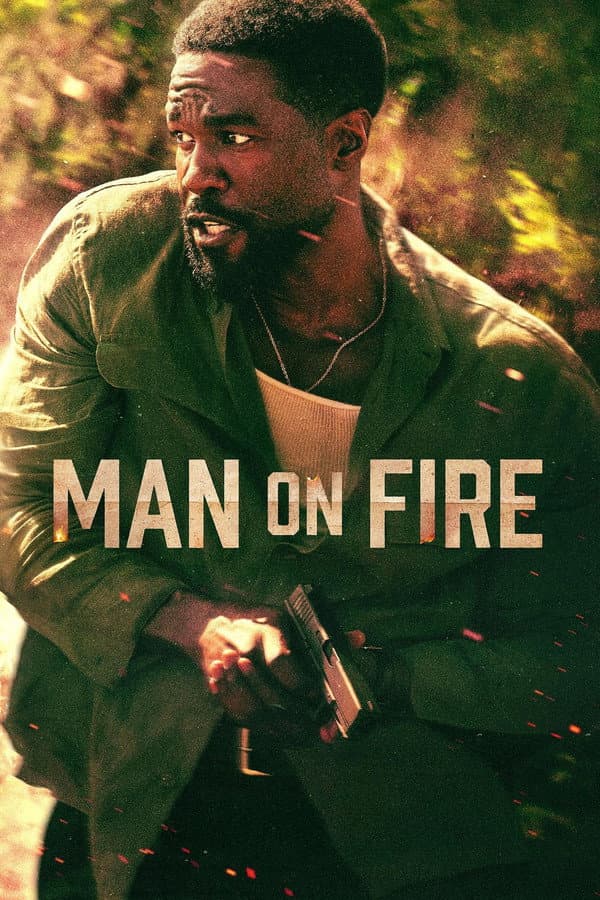
Man on Fire
2026 • Action & Adventure, Crime • TV-MA
Haunted by his past and hunted by his enemies, a Special Forces veteran fights to keep a teenage girl alive on the deadly streets of Rio de Janeiro.
Buy related books from Amazon
As an Amazon Associate I earn from qualifying purchases. Read the full disclosure.
Why you should read the novels
Before pressing play, pick up A. J. Quinnell’s Man on Fire and its sequel The Perfect Kill. The original Creasy novels deliver raw, intimate psychology, razor-edged suspense, and uncompromising moral complexity no screen can fully match.
Reading the Man on Fire book immerses you in Quinnell’s precise tradecraft, vivid settings, and patient, escalating dread. Each chapter tightens the vise, revealing Creasy’s scars, discipline, and reluctant tenderness in ways only prose can sustain.
If you want the definitive story, read Man on Fire by A. J. Quinnell, then continue with The Perfect Kill. These classic revenge thrillers are the authoritative source behind any TV adaptation—perfect for fans who prefer the book to the series.
Adaptation differences
Key differences between the Man on Fire TV series and the books begin with timeline and tools: the adaptation modernizes everything, while A. J. Quinnell’s originals reflect the late–Cold War and early post–Cold War world. Expect updated tech, geopolitics, and criminal ecosystems versus the novels’ era-specific atmosphere.
Screen storytelling often compresses and combines plots from Man on Fire and The Perfect Kill. Events may be reordered, character introductions can shift, and new connective tissue is added to power serialized, cliffhanger-driven episodes that differ from the novels’ tighter, self-contained arcs.
On the page, Creasy’s inner voice, trauma, and discipline dominate; much of the tension comes from interior conflict and patient planning. The series emphasizes kinetic action, visual spectacle, and ensemble dynamics, frequently expanding supporting roles and inventing fresh subplots to sustain momentum.
Names, locations, and investigative steps may change in the series to streamline pacing or broaden appeal, and character fates can be adjusted to support multi-season storytelling. The books remain leaner, darker, and more morally ambiguous—closer to a purist’s revenge thriller.
Man on Fire inspired from
The Perfect Kill
by A. J. Quinnell
Man on Fire
by A. J. Quinnell