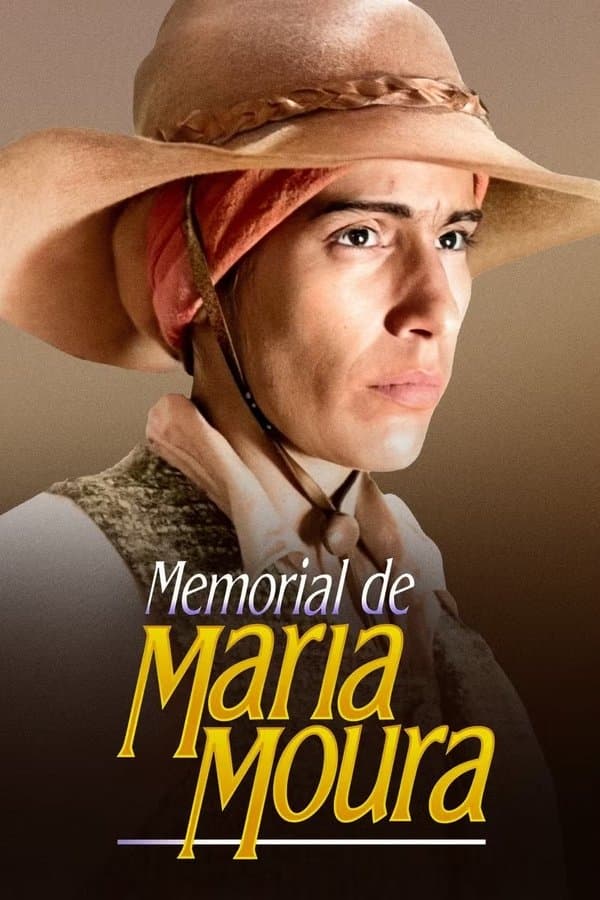
Memorial de Maria Moura
1994 • Drama
Adapted from the homonymous work by Rachel de Queiroz, it presents the saga of a woman against female submission in nineteenth-century patriarchal society.
Buy related books from Amazon
As an Amazon Associate I earn from qualifying purchases. Read the full disclosure.
Why you should read the novel
Before you stream the 1994 TV series Memorial de Maria Moura, discover the unrivaled depth of the source novel, Memorial of Maria Moura by Rachel de Queiroz. This Brazilian literary classic delivers a bold, unforgettable heroine and an electrifying frontier saga that rewards every page you turn.
Reading the book brings you closer to Maria Moura’s fierce intelligence, the harsh beauty of the sertão, and the intricate social world that shaped her. Queiroz’s polished prose, regional textures, and layered conflicts provide historical richness and psychological nuance the screen can only hint at.
If you love strong female leads, epic backlands adventures, and Brazilian literature in translation, add Memorial of Maria Moura to your reading list. Ideal for book clubs and readers seeking a gripping, character-driven novel—available in libraries, bookstores, and online retailers.
Adaptation differences
The 1994 TV adaptation of Memorial de Maria Moura foregrounds action, spectacle, and visual storytelling, while the novel, Memorial of Maria Moura, thrives on interiority, voice, and moral ambiguity. On the page, motivations unfold through layered reflection; on screen, they are streamlined into dialogue and decisive set pieces.
To fit episodic pacing, the series condenses timelines, merges or reduces secondary characters, and reorders events for cliffhangers and momentum. The book builds tension more gradually, lingering on geography, customs, and everyday survival in the sertão, which deepens context but resists quick resolution.
Broadcast standards shape tone: violence is choreographed, sexuality reframed, and some moral gray areas clarified for mass appeal. The novel remains grittier and more ambivalent, allowing Maria’s leadership, loyalties, and ruthlessness to coexist without easy answers—a complexity that resonates long after the final chapter.
Language and theme diverge, too. Rachel de Queiroz’s prose carries regional idioms, historical detail, and social critique—colonial legacies, patriarchy, land disputes—that the series often simplifies for accessibility. Reading the book reveals the full cultural and political breadth behind the legend, making it a compelling complement—or alternative—to the TV experience.
Memorial de Maria Moura inspired from
Memorial of Maria Moura
by Rachel de Queiroz