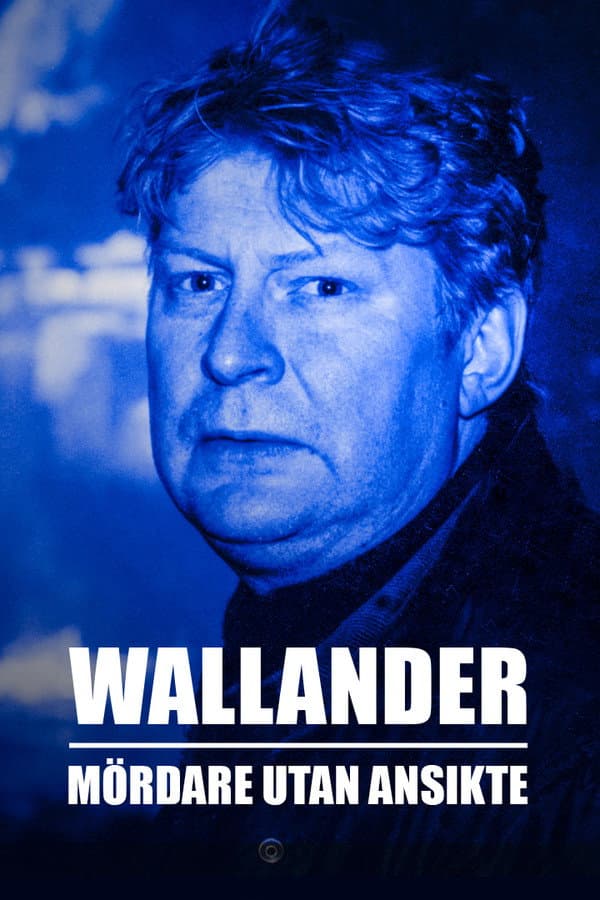
Mördare utan ansikte
1995 • Crime, Drama
It is winter on the plains of Skåne coast. Farmer woken gets up and goes over to the neighboring farm. The sight that meets him is terrible. His neighbor John Lövgren lying on the floor with broken face. His wife Mary is sitting on a chair with a noose around his neck and her nightgown nersölat of blood. Before she dies in the hospital, she has time to say a word as soon leak out into the media, "Foreign" Inspector Kurt Wallander in Ystad police leading the investigation will soon receive anonymous threats by telephone. When the city's refugee camp on fire and a Somali refugee murdered, he understands that those who threatened him serious. And realize that it is now a race against time. And, against a ruthless opponent. A killer with no face ...
Buy related books from Amazon
As an Amazon Associate I earn from qualifying purchases. Read the full disclosure.
Why you should read the novel
Before you watch the 1995 TV series Mördare utan ansikte, read Faceless Killers by Henning Mankell—the foundational Kurt Wallander novel that helped define Scandinavian crime fiction and modern Nordic noir. The book’s precision, mood, and moral complexity are richest on the page.
Mankell’s prose immerses you in rural Skåne, tracing a meticulous investigation while exploring loneliness, justice, and social change. The English translation preserves the stark beauty and tension that made Faceless Killers a landmark for readers who love atmospheric detective stories.
By choosing the novel over the screen, you’ll experience Wallander’s inner voice, layered clues, and the slow-building dread that television can only hint at. If you want authentic Nordic noir, start with the source: Faceless Killers by Henning Mankell.
Adaptation differences
The 1995 TV adaptation condenses the novel’s intricate investigation, streamlining timelines and merging some secondary police roles to fit the limited runtime. As a result, certain procedural steps and false leads that enrich the book are abbreviated or omitted on screen.
Characterization differs in emphasis. On the page, Kurt Wallander’s interior monologue—his doubts, fatigue, and moral calculations—drives much of the suspense. The series conveys this visually and through dialogue, but it naturally offers less of his introspective depth and routine minutiae that shape his character in the novel.
The novel’s broader social context—media pressure, public fear, and debates around immigration and xenophobia—unfolds with nuanced, sustained commentary. The adaptation largely localizes these tensions to immediate plot beats and set pieces, reducing the extended political, bureaucratic, and journalistic layers that Mankell weaves throughout the book.
Pacing and payoff are tuned differently. The series favors a tighter arc and a more overtly dramatic crescendo, whereas the novel resolves the case with a measured, procedural denouement and reflective aftermath. Readers will find the book’s ending more contemplative, with greater attention to consequences and the toll of the case on Wallander and Ystad’s police work.
Mördare utan ansikte inspired from
Faceless Killers
by Henning Mankell