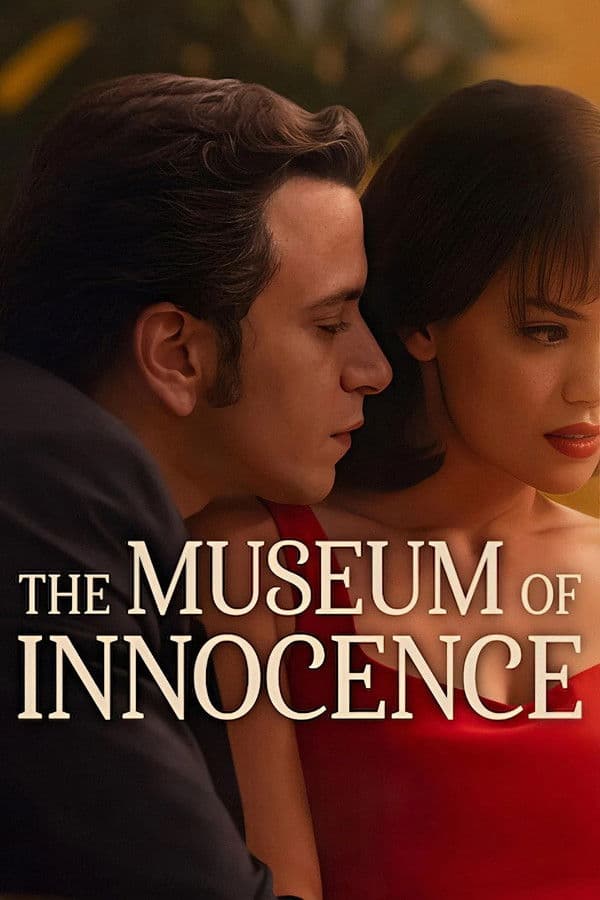
Museum of Innocence
2026 • Drama • TV-MA
In 1970s Istanbul, a man's forbidden love for a shop-girl evolves into a lifelong journey of obsession and longing.
Buy related books from Amazon
As an Amazon Associate I earn from qualifying purchases. Read the full disclosure.
Why you should read the novel
Before pressing play on any adaptation, read The Museum of Innocence by Nobel laureate Orhan Pamuk. The novel’s intimate first-person voice draws you inside Kemal’s mind, revealing layers of memory, longing, and self-deception no screen can fully capture. Page by page, the book turns obsession into art, offering psychological depth and cultural nuance that reward patient, immersive reading.
Pamuk’s Istanbul is a living character—streets, apartments, cafés, and film sets unfold with sensual detail across the late 1970s and 1980s. The city’s shifting class codes, family rituals, and pop-cultural textures are evoked with a richness that makes every scene feel lived-in. Reading the novel lets you inhabit that world at your own pace, discovering resonances and meanings that a time-limited series can only suggest.
If you love stories that linger long after the last page, choose the book. The Museum of Innocence offers not just a plot, but an experience: a cabinet of emotions and objects, carefully arranged. Start with the novel to understand the true contours of Kemal and Füsun’s story—and carry that understanding with you to any adaptation that follows.
Adaptation differences
As of 2024, the 2026 Museum of Innocence TV series has not premiered, so confirmed book-to-screen changes are not yet public. Still, fans comparing the Museum of Innocence book vs series can expect the usual shifts that come with adaptation: condensed timelines, streamlined subplots, and a stronger emphasis on visual storytelling over interior monologue.
One likely difference involves narration. Pamuk’s novel unfolds through Kemal’s intensely subjective voice, layering confession, rationalization, and memory. A series may reduce or replace first-person narration with dialogue and imagery, changing how audiences access Kemal’s psychology and possibly reframing Füsun’s perspective through performance rather than prose.
Structure and pacing often change, too. The book’s meticulous catalog of objects—and the way chapters orbit souvenirs, photographs, and everyday items—creates a museum-like rhythm that invites contemplation. On screen, these artifacts may become motifs or production design flourishes rather than chapter-defining anchors, with events reordered to sustain episodic momentum and broader audience expectations.
Setting and emphasis may shift as well. The novel’s detailed portrait of Istanbul’s social class codes, family pressures, and evolving pop culture could be compressed or selectively highlighted. Expect certain side characters and industry details (like film-world intersections) to be merged or minimized. Endings in adaptations sometimes aim for clearer resolution or tonal recalibration, whereas the book preserves ambiguity and moral complexity—another point where book and series may part ways.
Museum of Innocence inspired from
The Museum of Innocence
by Orhan Pamuk