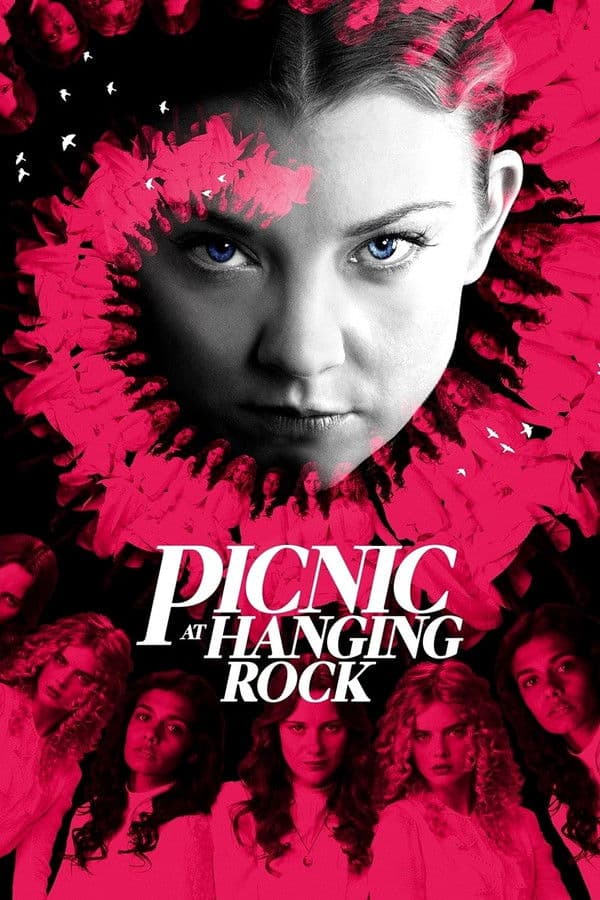
Picnic at Hanging Rock
2018 • Drama, Mystery • TV-14
Valentine's Day, 1900. Three schoolgirls and their governess mysteriously disappear in Hanging Rock, Australia, without a trace.
Buy related books from Amazon
As an Amazon Associate I earn from qualifying purchases. Read the full disclosure.
Why you should read the novel
Before you stream the 2018 TV series Picnic at Hanging Rock, experience Joan Lindsay’s original novel. The book’s haunting atmosphere, elegant prose, and perfectly measured mystery have captivated readers for decades and inspired every adaptation. Start with the source to feel the eeriness the way it was first imagined.
Reading the Picnic at Hanging Rock novel reveals layers of character, setting, and symbolism that screen versions can only suggest. Lindsay’s elliptical style, subtle clues, and period detail turn each page into an immersive investigation, ideal for fans of literary suspense, historical fiction, and enigmatic mysteries.
Choose the book to understand why this Australian classic became a global phenomenon. Whether you prefer paperback, ebook, or audiobook, Joan Lindsay’s Picnic at Hanging Rock offers the most complete, nuanced encounter with Miranda, Mrs. Appleyard, and the Rock itself—before you compare it to the TV series.
Adaptation differences
Tone and storytelling: Joan Lindsay’s novel reads like a cool, quasi-documentary enigma, carefully withholding answers. The 2018 TV series embraces a more stylized, modern sensibility—fractured timelines, bold costuming, and surreal imagery that amplify psychological horror and desire while shifting the experience from austere mystery to fever dream.
Character focus: The book keeps much of its cast at an enigmatic distance. The series significantly expands backstories and agency—especially for Mrs. Appleyard—turning implication into concrete history and giving side characters fuller arcs. It also introduces new or heightened interconnections among characters, reshaping motivations and deepening personal stakes compared to the novel’s restraint.
Themes and explicitness: Lindsay’s text suggests repressed sexuality, class anxiety, and colonial tension with subtle hints. The adaptation makes these themes more explicit, foregrounding feminist critique, power imbalances, and queer desire. What is subtext in the book often becomes text on screen, changing the tenor of relationships and conflicts.
Mystery architecture: The novel’s core riddle remains ambiguous, and a posthumously published final chapter (not incorporated into the 2018 series) offers a more overt explanation that readers can seek out. The show retains ambiguity but alters investigations, timelines, and certain outcomes, rendering specific fates and revelations more pointed while preserving the story’s essential unknowability.
Picnic at Hanging Rock inspired from
Picnic at Hanging Rock
by Joan Lindsay