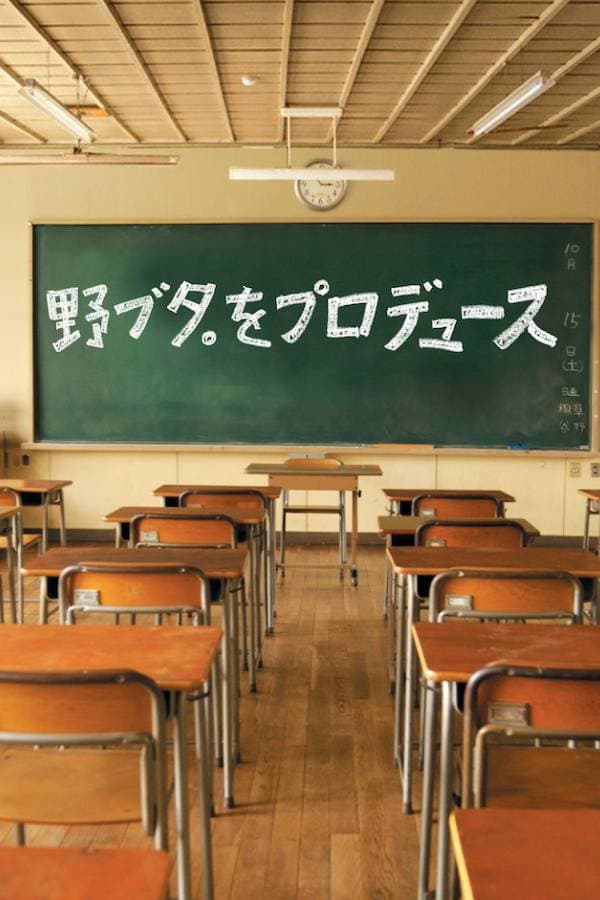
Producing Nobuta
2005 • Comedy, Drama
A popular high schooler and his oddball friend help a shy girl get rid of her bullies by attempting to make her the most popular girl in school.
Buy related books from Amazon
As an Amazon Associate I earn from qualifying purchases. Read the full disclosure.
Why you should read the novel
Before you stream another episode, discover the original story that inspired it all: Nobuta o Produce by Gen Shiraiwa. The novel offers a raw, intimate look at high-school social hierarchies, bullying, and the fragile performance of popularity—told with insight that television can only hint at.
Reading the source book lets you hear the inner voices that drive the characters’ choices, revealing nuances of insecurity, kindness, and courage often smoothed over on screen. Shiraiwa’s prose lingers on the quiet moments—small betrayals, hesitant kindnesses, and everyday courage—that make the transformation of Nobuta and her classmates feel deeply earned.
If you loved the drama’s atmosphere, the novel delivers the author’s unfiltered vision, rich cultural context, and layers of meaning ideal for thoughtful readers and book clubs. Start with the book to experience the depth behind the series’ most memorable scenes and understand why this story resonates long after the final page.
Adaptation differences
Curious about the differences between the Nobuta o Produce novel and the TV series? The book prioritizes interiority—tracking social anxiety, complicity, and empathy from within—whereas the drama externalizes those themes through visual gags, set pieces, and voiceovers. On the page, character growth emerges from reflection; on screen, it’s driven by action and spectacle.
Tone and pacing also diverge. The novel’s mood is more subdued and contemplative, inviting you to sit with uncomfortable truths about bullying and performative popularity. The TV adaptation moves briskly, leans into feel-good beats, and uses prime-time humor and stylish staging to keep momentum—heightening optimism compared with the book’s quieter, more lingering unease.
Characterization shifts further mark the adaptation. The series amplifies eccentricities and comedic rhythms—especially around the “producer” dynamic—while expanding side characters and creating episodic hurdles. In the novel, antagonism often feels systemic and internal, not just the work of a visible rival, making the moral choices more ambiguous and the victories more restrained.
Finally, resolution and messaging diverge in emphasis. The drama gravitates toward a more conclusive, inspirational payoff, shaped by idol casting and TV-friendly catharsis. The book is more comfortable with ambiguity, leaving readers to wrestle with lingering questions about identity, reputation, and what lasting change really looks like—key differences that make reading the source a rewarding companion to the show.
Producing Nobuta inspired from
Nobuta o Produce
by Gen Shiraiwa