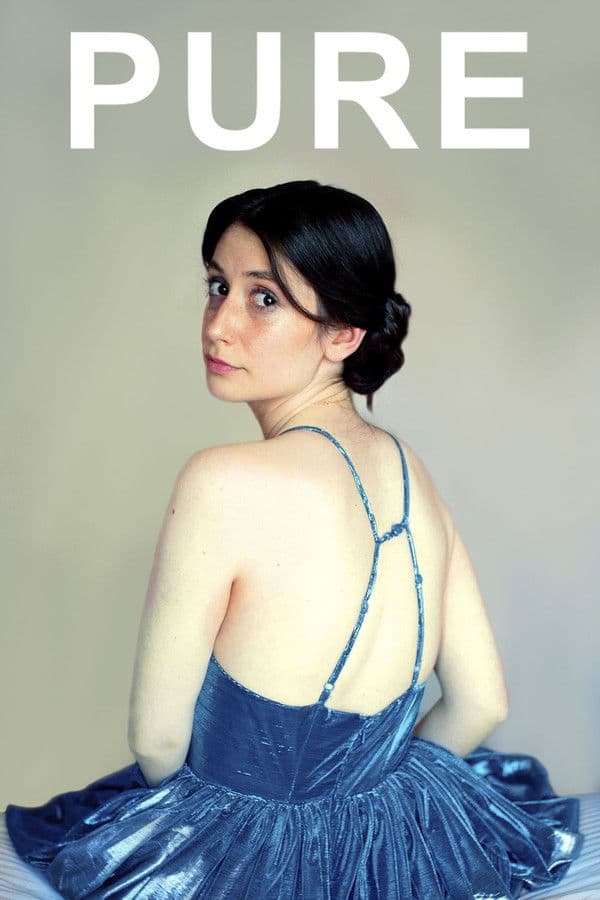
Pure
2019 • Comedy, Drama • TV-MA
Marnie is not OK. She's had x-rated thoughts for the last 3672 days and she doesn't know why or what they mean. When she jumps on a coach to London, she doesn't know a soul, not even herself, but in the city she will build a new life.
Buy related books from Amazon
As an Amazon Associate I earn from qualifying purchases. Read the full disclosure.
Why you should read the novel
Before you watch or rewatch the 2019 TV series Pure, discover the original memoir Pure by Rose Bretécher, the candid true story behind the show. On the page, her voice offers unfiltered insight into Pure O OCD, intrusive thoughts, shame, and resilience. You get context the screen cannot hold, from formative memories to hard-won self-acceptance, told with disarming humor and clarity.
Reading the book gives deeper explanations of therapy and recovery, including exposure and response prevention, the maze of misdiagnosis, and how relationships, sex, work, and identity are reshaped by anxiety. If you care about accurate mental health representation, the memoir delivers first-person authenticity and practical nuance that complements and often surpasses the adaptation.
Order Pure by Rose Bretécher today in paperback, ebook, or audiobook and experience the complete story. Ideal for fans of honest mental health nonfiction, coming-of-age memoirs, and readers searching for compassionate understanding of Pure O OCD. Read the book first and let the series become a bonus perspective.
Adaptation differences
The TV adaptation reframes a nonfiction memoir as a scripted dramedy. The book is the author's own life, while the series centers on a fictionalized protagonist named Marnie and builds a season-long arc around her move to a new city, friendships, work, and dating. Years of lived experience in the memoir are condensed into a tight timeline for television momentum.
Characters are often composites or entirely new. Friends, family members, and love interests are streamlined or invented to create clear ensemble dynamics and episodic plots. Settings and workplaces are adjusted to heighten stakes and comedy. These changes help the show function as a character-driven series, but they naturally shift emphasis away from the granular self-reflection found in the book.
Tone and technique also diverge. The memoir's voice is essayistic and intimate, moving freely through memory, analysis, and confession. The series leans into visual metaphors, rapid montage, and voiceover to portray intrusive thoughts, and it balances darker moments with more overt comedy. Some material is softened, amplified, or redirected for broadcast standards and pacing.
The path to understanding OCD differs. On the page, diagnosis and treatment unfold over a longer, messier journey, with setbacks, misinterpretations, and slow practice of exposure and response prevention. On screen, clarity tends to arrive earlier to ground the plot, with therapy scenes and peer support used as narrative anchors. Both are valid lenses, but the memoir offers broader context, social commentary, and a timeline that television cannot fully accommodate.
Pure inspired from
Pure
by Rose Bretécher