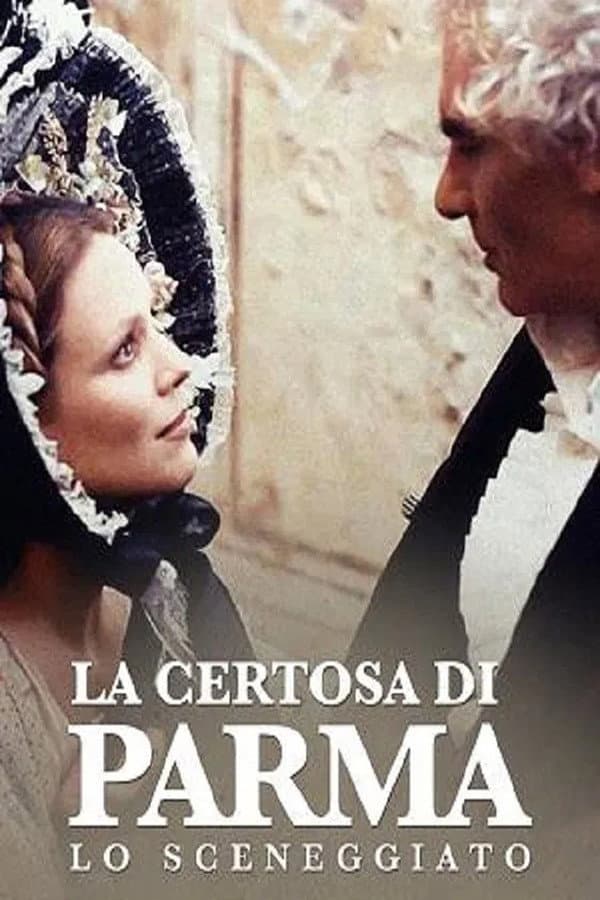
The Charterhouse of Parma
1982 •
Stendhal's epic tale of a young French officer in the Napoleonic wars, and his aunt - a duchess of legendary beauty and resourcefulness.
Buy related books from Amazon
As an Amazon Associate I earn from qualifying purchases. Read the full disclosure.
Why you should read the novel
Before pressing play on the 1982 TV series The Charterhouse of Parma, experience Stendhal’s original novel in English. The book’s razor‑sharp irony, vivid psychology, and breathtaking set pieces—especially the Waterloo episode—offer a richness screen versions can only hint at.
Reading The Charterhouse of Parma lets you savor Stendhal’s voice: swift, witty, and modern. The narrator’s asides, political insight, and delicate portrait of love and ambition make the novel a timeless classic that rewards close attention far more than any adaptation.
If you love historical romance and court intrigue, the source novel delivers deeper stakes and clearer motivations. Explore Fabrice del Dongo, the Duchess Sanseverina, Clelia, and Count Mosca exactly as Stendhal created them—unfiltered, fearless, and unforgettable.
Adaptation differences
The 1982 TV series condenses Stendhal’s expansive canvas, streamlining political satire and emphasizing romance. Without the novel’s ironic narrator, much of the wit and social critique shifts into dialogue and staging, changing tone and intent.
Structure is tighter on screen: the Waterloo adventure, sprawling and chaotic in the book, appears as briefer set pieces. Court intrigues are simplified, timelines compressed, and some courtiers and officials are merged or minimized, making Parma’s power games more legible but less intricate.
Characterization also shifts. Fabrice’s inner conflicts, Clelia’s moral and emotional vows, and Count Mosca’s cool statecraft gain clarity visually but lose the nuanced interiority Stendhal builds through commentary and reflection. The Duchess Sanseverina’s daring agency often reads as more straightforwardly romantic than politically audacious.
Themes and ending tones typically soften. The novel’s meditations on chance, ambition, and disillusionment—and the stark spiritual withdrawal implied by the Charterhouse—are rendered with a lighter, more ambiguous touch, prioritizing closure and visual elegance over Stendhal’s astringent, bittersweet finality.
The Charterhouse of Parma inspired from
The Charterhouse of Parma
by Stendhal