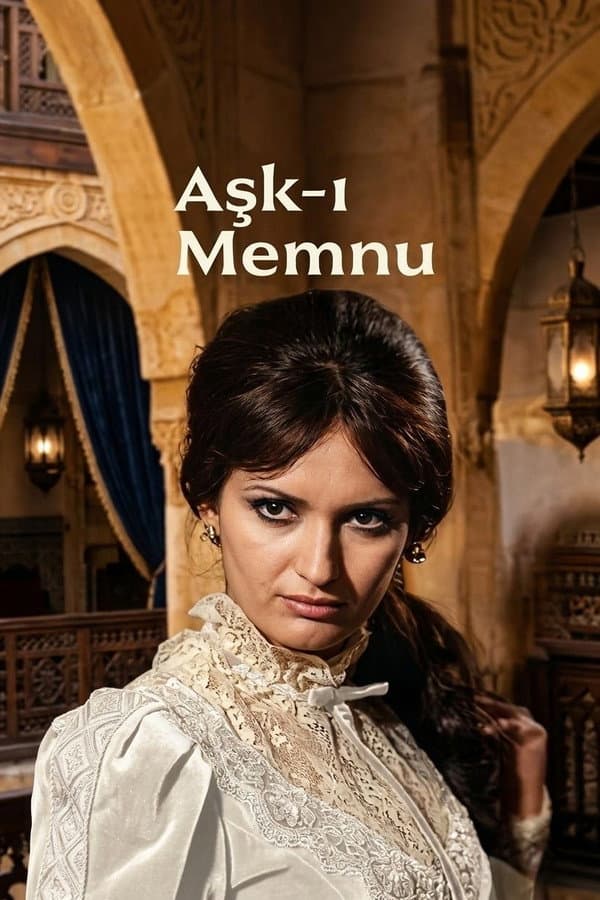
The Forbidden Love
1975 • Drama, Family
Rich Adnan marries Bihter, who is younger than him. A poisonous forbidden love begins between Adnan's nephew Behlül and Bihter who lives in the same mansion.
Buy related books from Amazon
As an Amazon Associate I earn from qualifying purchases. Read the full disclosure.
Why you should read the novel
Skip the screen—start with the source. Forbidden Love by Halid Ziya Uşaklıgil, available in English, is a cornerstone of Turkish literature, marrying psychological insight with a shimmering Ottoman Istanbul atmosphere.
On the page, every glance, silence, and hesitation carries meaning. The novel’s intimate access to motive, guilt, and desire outshines any episode, rewarding close reading with richer character development, sharper themes, and layered social critique.
If you enjoyed the 1975 TV series, reading the original novel delivers the complete story as conceived by its author. Search for an English edition of Forbidden Love to experience the definitive version of this classic Turkish novel.
Adaptation differences
Narrative perspective and depth: The 1975 television adaptation necessarily externalizes feelings through dialogue and staging, while the novel’s close narration delves into interior lives, moral ambiguity, and unspoken tensions that shape every choice.
Structure and scope: To fit episodic runtime, the series condenses timelines, streamlines subplots, and merges or minimizes some secondary characters. Readers comparing the 1975 series and the book will notice the novel’s more patient build-up and fuller social circles.
Setting and texture: Production limits of 1970s TV mean fewer locations and less visual opulence. The book paints Istanbul’s waterfront mansions, fashions, and class codes in lavish detail that magnifies the risks and repercussions of forbidden desire.
Themes and tone: Broadcast standards encouraged restraint in portraying sensuality and criticism of social hypocrisy. The adaptation leans event-driven and melodramatic, whereas the book sustains sharper social satire and a more introspective, tragic register.
The Forbidden Love inspired from
Forbidden Love
by Halid Ziya Uşaklıgil