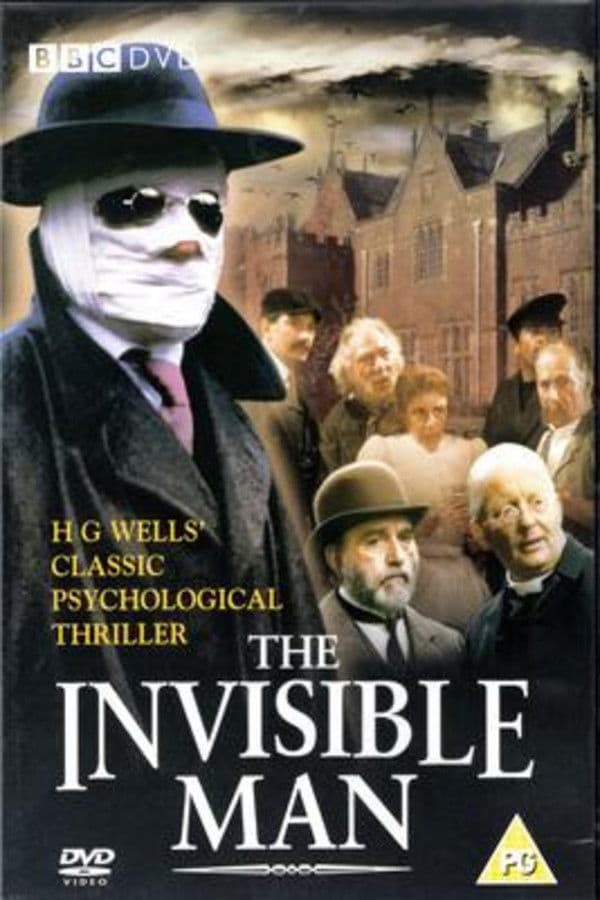
The Invisible Man
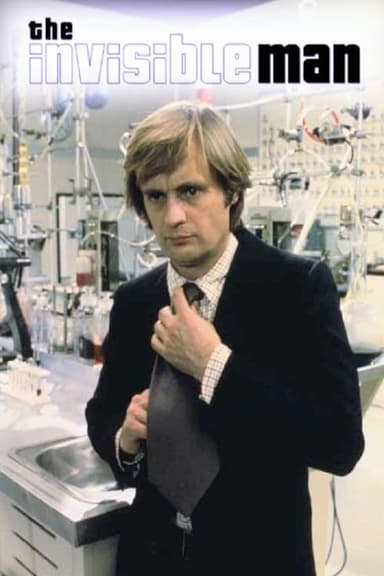
1984 • Drama, Sci-Fi & Fantasy
A deranged scientist discovers a formula by which to make himself invisible, but is driven mad by his inability to reverse the formula and is evoked to use his invisibility to terrorise those around him.
Buy related books from Amazon
As an Amazon Associate I earn from qualifying purchases. Read the full disclosure.
Why you should read the novel
Before you watch the 1984 TV series The Invisible Man, experience the original vision in H. G. Wells's groundbreaking novel. The book delivers a sharper psychological descent into Griffin's obsession and a richer sense of dread, irony, and dark humor that no screen can fully match. Its vivid Victorian atmosphere and razor-edged pacing make every reveal feel shocking and inevitable.
Reading The Invisible Man puts Wells's themes front and center: unchecked ambition, the ethics of science, and the isolating thrill of power. The novel's crisp prose and unforgettable set pieces—the bandaged stranger at the Iping inn, the chaotic unmaskings, the relentless manhunt—build momentum with literary precision. You'll hear the author's voice interrogate progress and morality in ways that TV can only suggest.
Choose the book to get the complete, unfiltered story directly from its creator. Wells's original text offers more context, more philosophy, and more bite than any adaptation, including the 1984 series. If you want the most authoritative Invisible Man experience—with all its menace, satire, and insight—start by reading the novel.
Adaptation differences
The 1984 BBC television serial is comparatively faithful to H. G. Wells's The Invisible Man, but it inevitably shifts emphasis. The novel's satire of scientism and its cool, clinical narration give way to a screen-friendly focus on suspense and interpersonal conflict. Without Wells's authorial commentary, the series foregrounds action and dialogue over the book's philosophical bite.
Structurally, the novel unfolds with tightly controlled escalation from the mystery at Iping to the catastrophic aftermath. The TV adaptation reconfigures this into episodic beats, building cliffhangers, adding connective scenes, and compressing or rearranging events to sustain weekly momentum. This changes the rhythm of revelations and can soften or delay key shocks the book delivers more abruptly.
Characterization also shifts. On the page, Griffin is starkly amoral and progressively monstrous, his isolation and arrogance laid bare through narration. The 1984 series tends to externalize his motives through added dialogue and expanded interactions, offering flashes of sympathy and a clearer backstory. Secondary roles—such as villagers, officials, and investigators—are often merged or expanded to anchor scenes and provide a steadier viewpoint than the novel’s roving perspective.
Science and spectacle differ by medium. Wells supplies concise but pointed optical theory and a chilling matter-of-factness about violence and consequence. Television simplifies explanations, visualizes invisibility with practical effects, and moderates brutality to fit broadcast standards. Production design amplifies period detail that the novel sketches efficiently, while some comic beats from the book are streamlined in favor of tension and chase sequences in the adaptation.
The Invisible Man inspired from
The Invisible Man
by H. G. Wells