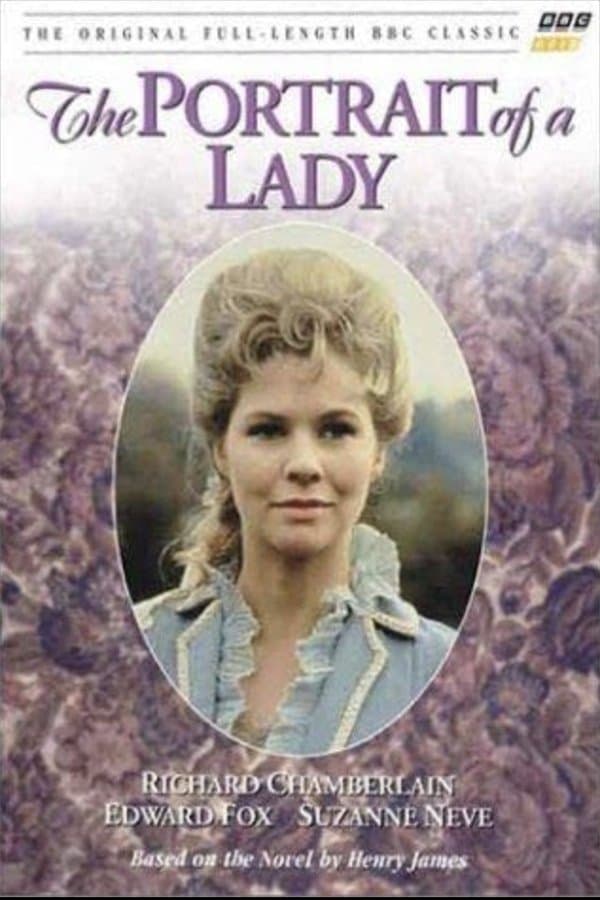
The Portrait of a Lady
1968 • Drama
TV adaptation of the Henry James novel
Buy related books from Amazon
As an Amazon Associate I earn from qualifying purchases. Read the full disclosure.
Why you should read the novel
Before you watch the 1968 TV series The Portrait of a Lady, immerse yourself in Henry James’s original novel. The book offers a richer, more intimate journey with Isabel Archer, capturing the exquisite psychological detail and moral complexity that shaped modern fiction.
Reading The Portrait of a Lady by Henry James delivers the full depth of character, theme, and setting that no screen version can match. Explore a classic novel that examines freedom, marriage, money, and identity across America, England, and Italy—available in authoritative paperback, hardcover, ebook, and audiobook editions.
Discover why readers return to this literary masterpiece for its elegant prose, nuanced interiority, and unforgettable cast—Isabel Archer, Madame Merle, Gilbert Osmond, Ralph Touchett, Henrietta Stackpole, and Caspar Goodwood. For study, book clubs, or personal enjoyment, the unabridged novel rewards every page with insight and beauty.
Adaptation differences
Scope and pacing: the 1968 series necessarily condenses Henry James’s long, multilayered narrative. Episodes streamline travel and social seasons, merge or omit scenes, and simplify subplots, resulting in a tighter but narrower portrait of Isabel’s world.
Psychology and narration: the novel’s hallmark—deep interiority rendered through free indirect discourse—is largely externalized on screen. Extended inner debates, shifting perceptions, and subtle ironies become dialogue, glances, and staging, reducing the intricate psychological shading that the prose sustains.
Characterization and themes: several secondary figures receive less development. Henrietta Stackpole’s journalistic edge and Caspar Goodwood’s persistent challenge to Isabel’s choices are pared back; Madame Merle and Gilbert Osmond’s manipulations are less elaborately prepared. James’s cultural satire of Americans in Europe is softened to fit a manners-driven period drama.
Structure and tone: the serial smooths chronology and compresses reflective pauses—especially around Isabel’s marriage and its aftermath—creating clearer story beats and quicker momentum. Ambiguities that the novel leaves open, including the tenor of Isabel’s ultimate resolve, tend to appear more definite on screen, trading interpretive openness for televisual clarity.
The Portrait of a Lady inspired from
The Portrait of a Lady
by Henry James