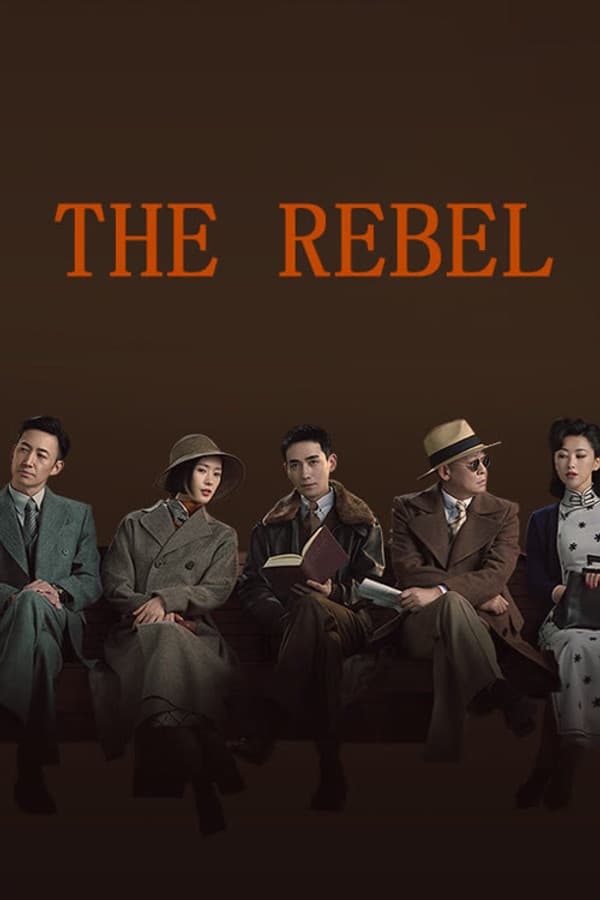
The Rebel
2021 • Drama, Mystery, War & Politics
After ten years of knowledge and choice, after the victory of the War of Resistance Against Japan, Lin Nansheng has grown into a true Communist Party member. And at the critical moment of the War of Liberation, he made outstanding contributions to the party and the country.
Buy related books from Amazon
As an Amazon Associate I earn from qualifying purchases. Read the full disclosure.
Why you should read the novel
Step into the original world of The Rebel by Bi Yu, a gripping Chinese spy novel that immerses you in the high-stakes intrigues of Republican-era Shanghai and beyond. The book’s layered atmosphere and meticulous tradecraft pull you deeper into the perilous cat-and-mouse games that defined an era of shifting loyalties.
Reading The Rebel novel gives you unparalleled access to the inner lives of characters like Lin Nansheng and Zhu Yizhen, exploring motives, doubts, and convictions with a nuance that screen time can’t match. Every chapter amplifies tension through psychological detail and historical texture, rewarding careful, thoughtful reading.
If you’re deciding between the TV series and the source material, choose the book for its richer political context, patient suspense, and authentic spycraft. Discover why fans of literary espionage and Chinese historical fiction recommend experiencing Bi Yu’s original narrative before any adaptation.
Adaptation differences
The TV adaptation streamlines the novel’s pacing and chronology to fit episodic structure, often compressing timelines and highlighting set-piece operations. The book, by contrast, lingers on surveillance, tradecraft, and the slow accrual of risk, building a denser, more claustrophobic suspense.
Characterization shifts are notable. The series typically externalizes motivations through dialogue and action, while the novel delves into interiority—especially Lin Nansheng’s evolving convictions and moral conflicts. Romantic threads that feel restrained or ambiguous on the page are often expanded on screen to heighten emotional stakes and accessibility.
Tone and ideology also diverge. Broadcast standards tend to favor clearer moral signposts and softened depictions of brutality, whereas the novel sustains grayer ethics and a harsher portrayal of consequences. Readers will find more political nuance, messier compromises, and less tidy resolutions embedded in the book’s narrative voice.
Structural changes common to adaptations appear here as well: composite or reconfigured supporting roles, re-ordered reveals, and added action to keep momentum on television. Endings and turning points on screen lean more conclusive and inspirational, while the novel’s conclusion preserves a more ambivalent, morally complex coda that lingers long after the final page.
The Rebel inspired from
The Rebel
by Bi Yu