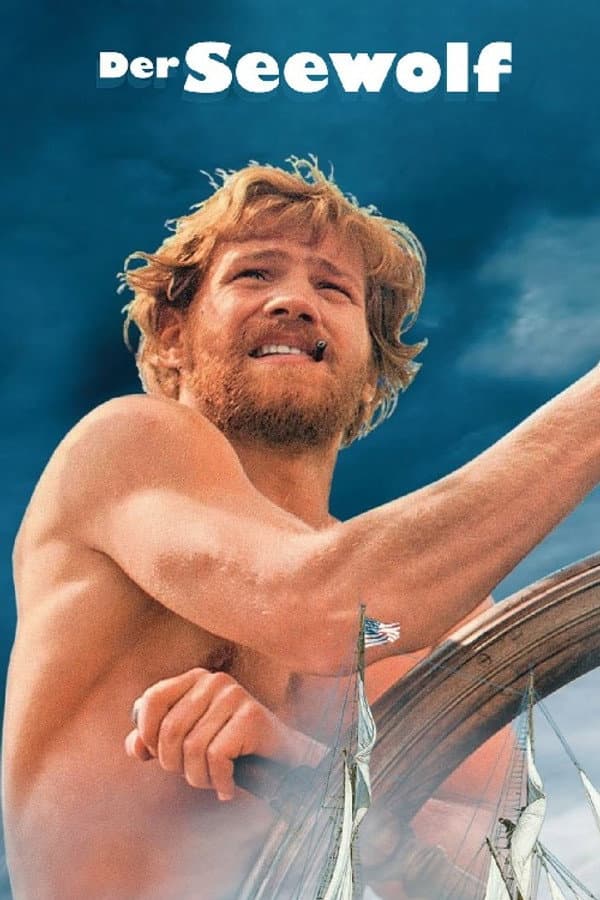
The Sea Wolf
1971 • Action & Adventure
Writer Humphrey van Weyden is thrown overboard in a shipwreck in the Bay of San Francisco, and is rescued by the seal-hunting schooner 'Ghost' under the command of the brutal Captain Wolf Larsen.
Buy related books from Amazon
As an Amazon Associate I earn from qualifying purchases. Read the full disclosure.
Why you should read the novel
Before you stream The Sea Wolf (1971), experience the source as Jack London wrote it. The Sea-Wolf novel delivers raw maritime adventure, searing philosophy, and unforgettable characters with a power no screen can fully capture.
Reading The Sea-Wolf brings you inside Humphrey van Weyden’s mind and face-to-face with Wolf Larsen’s terrifying charisma. London’s unabridged prose immerses you in the seal-hunting schooner, the brutal code of the sea, and the profound debates on strength, morality, and survival.
Whether you prefer paperback, ebook, or audiobook, Jack London’s classic is widely available and perfect for literary exploration, book clubs, and students. For the deepest understanding of the 1971 TV series, start with (or return to) the original novel.
Adaptation differences
Narrative depth and perspective differ immediately: Jack London’s The Sea-Wolf is a first-person account from Humphrey van Weyden, rich with interior thought and philosophical reflection, while the 1971 TV adaptation necessarily externalizes events and streamlines Hump’s inner monologue to keep the story visual and episodic.
Tone and intensity shift for television. The novel’s stark brutality, harsh shipboard discipline, and graphic realities of sealing are typically softened or implied to meet broadcast standards of the early 1970s. Scenes of violence, deprivation, and existential dread are condensed, and secondary crew members are combined or minimized to keep the focus on core conflicts.
Plot scope and structure are tightened. Where the book lingers on the long voyage aboard the Ghost, the painstaking survival on the island, and the meticulous repairs, a TV version emphasizes adventure beats, clearer cliffhangers, and a swifter progression. The courtship with Maud Brewster often receives a more conventional emphasis, and the Death Larsen rivalry or extended nautical logistics may be reduced or simplified.
Themes tilt from rigorous philosophical debate toward accessible drama. London’s probing of Nietzschean will, social Darwinism, and the clash between intellect and brute force is more expansive on the page; the 1971 adaptation typically foregrounds character action and moral clarity. Endings in television versions tend to resolve more neatly, with Wolf Larsen’s fate and the final moral message presented with greater simplicity than in the novel.
The Sea Wolf inspired from
The Sea-Wolf
by Jack London