The Secret Garden
1975 • Drama
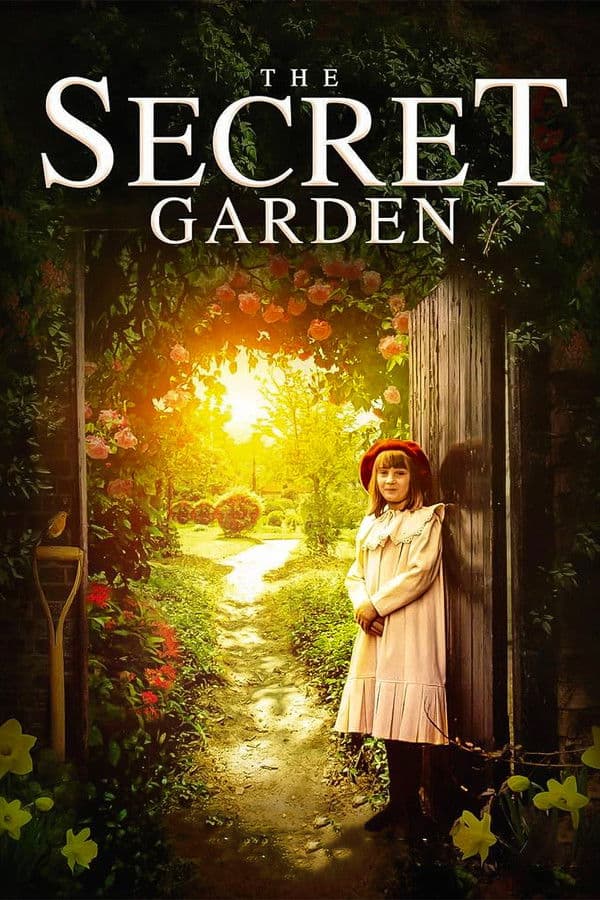
The Secret Garden is British television adaptation of the novel of the same name. Adapted, produced and directed by Dorothea Brooking, it was first broadcast on BBC 1 in seven, 30 minutes episodes in 1975.
Buy related books from Amazon
As an Amazon Associate I earn from qualifying purchases. Read the full disclosure.
Why you should read the novel
Discover the full wonder of The Secret Garden in Frances Hodgson Burnett’s original novel, where rich prose, layered emotions, and vivid descriptions invite you into a world of renewal, resilience, and hope. The book’s intimate storytelling offers a depth of character growth and atmosphere no screen can fully replicate.
Reading the novel reveals the authentic Yorkshire voice, the gradual mystery of the locked door, and the life of the moor in language that blossoms with every page. Burnett’s pacing lets you truly feel Mary’s transformation, Colin’s awakening, and the restorative power of nature and friendship.
Choose the unabridged text to experience every nuance the author intended. Whether you prefer a beautifully annotated edition or a classic paperback, the novel rewards close reading with unforgettable imagery, heartfelt insights, and a timeless message that continues to inspire readers of all ages.
Adaptation differences
Narrative structure and pacing differ between the book and the 1975 television series. The episodic format naturally compresses or rearranges events to fit broadcast lengths, streamlining some chapters while expanding others to create clear weekly arcs. As a result, certain discoveries happen sooner or later than in the novel, and transitional scenes are added to visualize moments the book conveys internally.
Characterization shifts subtly on screen. Mary’s inner thoughts—so central to the novel—are conveyed through dialogue and performance rather than introspection, which can soften her early prickliness and accelerate her emotional thaw. The Yorkshire dialect that gives the book its distinctive texture is often moderated for clarity, and some secondary figures (such as members of the Sowerby family) may receive less emphasis or appear at different points than in the text.
Setting and imagery are necessarily adapted to practical filming. The series presents a tangible walled garden and moor, but seasonal change and the garden’s gradual revival are condensed to fit production schedules. The novel’s opening in colonial India, along with background details about Mary’s early life, is typically shortened and simplified on screen to move more quickly to Misselthwaite Manor and the central mystery.
Themes are interpreted with a more literal touch. Burnett’s idea of “Magic”—a poetic, quasi-spiritual sense of vitality and positive thinking—emerges in the series through visible growth, music, and performance rather than extended reflection. The book devotes more space to inner renewal and moral development, while the 1975 adaptation emphasizes relationship dynamics and tangible milestones, culminating in a clearer, more straightforward resolution than the novel’s more reflective closing notes.
The Secret Garden inspired from
The Secret Garden
by Frances Hodgson Burnett