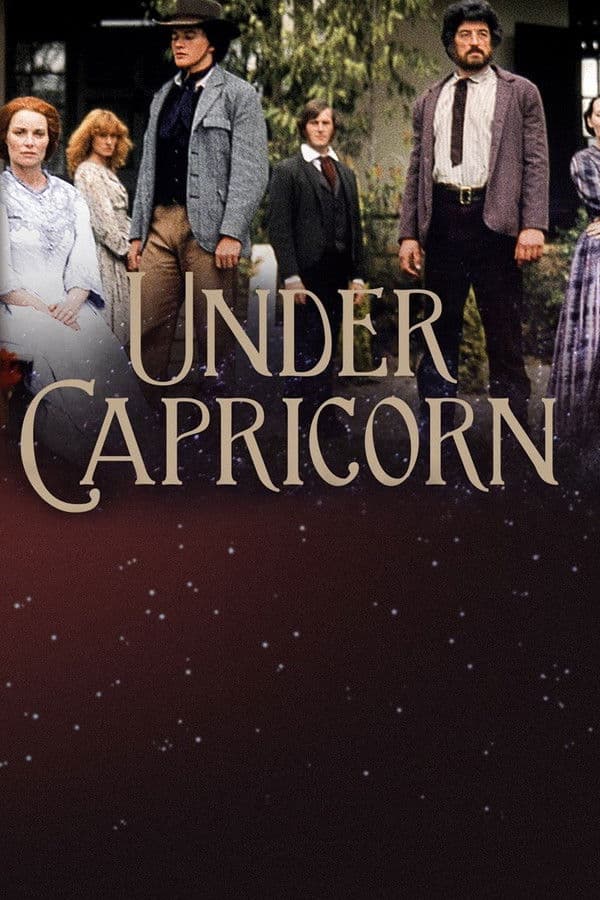
Under Capricorn
1983 • Drama
Helen Simpson's scorching novel of passion and unspoken loyalty is brought to life in a major mini series unfolding in the epic Australian tradition of Against The Wind and Sara Dane.
Buy related books from Amazon
As an Amazon Associate I earn from qualifying purchases. Read the full disclosure.
Why you should read the novel
Before pressing play on the 1983 Under Capricorn TV miniseries, discover Helen Simpson’s original novel Under Capricorn. The book delivers the full psychological depth of Lady Henrietta, Sam Flusky, and Charles Adare with rich, layered narration that television can only suggest. If you want the definitive Under Capricorn experience, the novel is the place to start.
Helen Simpson’s prose immerses you in colonial Sydney—its harsh beauty, rigid class codes, and the convict system—while building suspense through nuanced interiority. Readers searching for historical fiction set in Australia, Gothic atmosphere, and complex character studies will find the novel more immersive and rewarding than the screen adaptation.
Choosing the Under Capricorn book over the series means savoring elegant language, sharper social critique, and plot turns revealed with literary precision. For fans of historical romance, mystery, and colonial-era dramas, reading Helen Simpson’s Under Capricorn provides the most complete, authoritative version of this captivating story.
Adaptation differences
Structure and pacing shift notably between page and screen. The novel unfolds with deliberate layering, interior monologue, and authorial irony, while the miniseries streamlines events and privileges visual momentum, cliffhangers, and episode-friendly beats. This makes the TV version feel more linear and immediate, but less intricately voiced.
Characterization is richer in the book. Helen Simpson gives Lady Henrietta’s alcoholism, trauma, and resilience a sustained interior life, and explores Sam Flusky’s moral conflict and ambition with subtle shading. On screen, these nuances are externalized through performance and dialogue, with some secondary figures compressed or combined to keep the story focused.
Thematic emphasis shifts as well. The novel probes class tension, the convict legacy, colonial power structures, and Irish-English frictions with satiric bite. The series foregrounds the central romance and household power struggle, softening some social critique and condensing contextual detail to maintain dramatic drive and accessibility for a broad audience.
Plot mechanics and reveals are adjusted for television. The miniseries clarifies certain backstories earlier, consolidates settings, and heightens confrontation scenes to sustain suspense. Where the book favors gradual disclosure and reflective cadence, the adaptation prioritizes visual set pieces and tidy transitions, offering a clearer throughline at the cost of some ambiguity and interior complexity.
Under Capricorn inspired from
Under Capricorn
by Helen Simpson