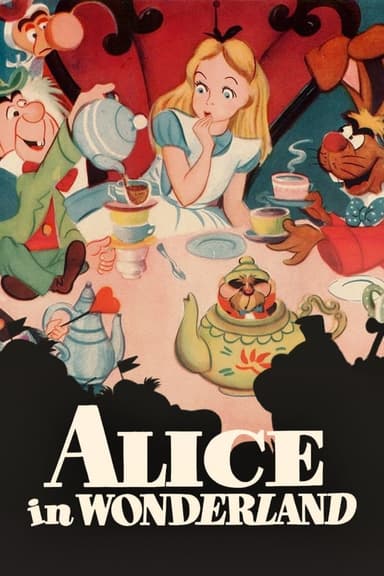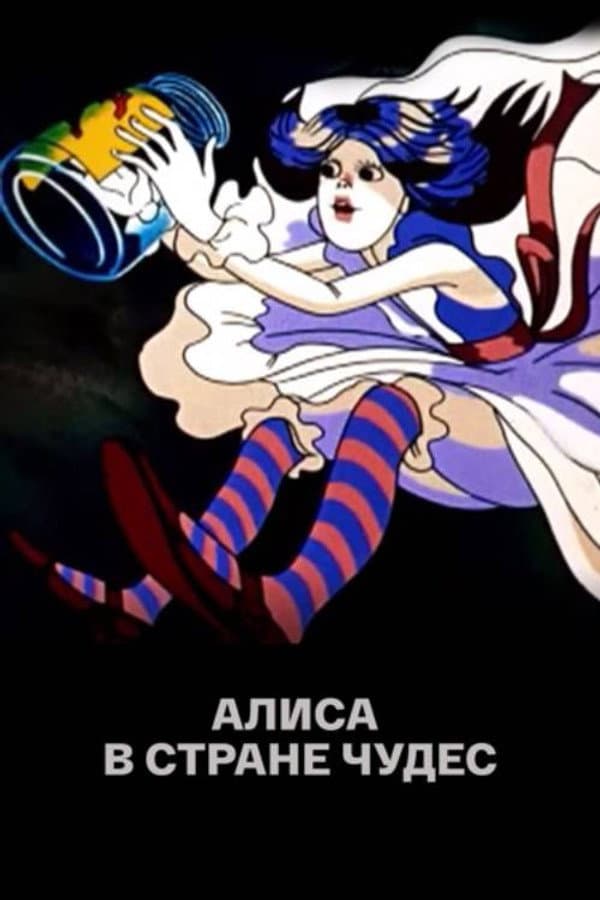
Alice in Wonderland
1981 • Animation, Family, Fantasy
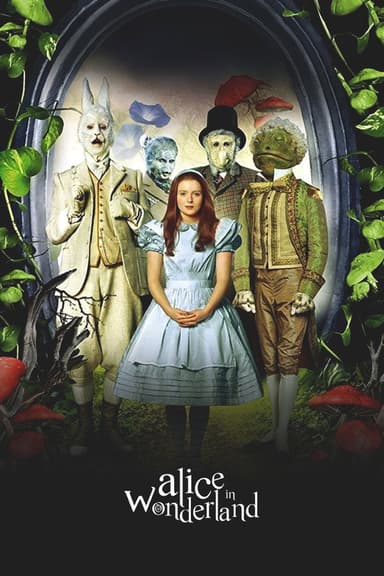
Alice follows the white rabbit, falls down a deep hole and discovers a strange Wonderland at the bottom.
Runtime: 0h 30m
Buy related books from Amazon
As an Amazon Associate I earn from qualifying purchases. Read the full disclosure.
Why you should read the novels
Experience the original wonder by reading Lewis Carroll's novels, where every page brims with clever puns, paradoxes, and playful logic. The books invite you into a richer, stranger Wonderland than any screen can capture, complete with John Tenniel's iconic illustrations that shaped the world's image of Alice.
If you love fantasy, classic children's literature, and thought-provoking whimsy, Alice's Adventures in Wonderland and Through the Looking-Glass deliver the definitive journey. Carroll's language is a character of its own, turning riddles, nursery rhymes, and chess moves into unforgettable scenes that reward slow reading and re-reading.
Choose the books over the movie to savor the full tapestry of characters, poems, and puzzles. You'll uncover subtleties in Alice's growth, layers of Victorian satire, and narrative games that adaptations often simplify, making the original texts the most satisfying way to explore Wonderland.
Adaptation differences
Multiple 1981 releases and broadcasts of Alice in Wonderland exist, and each handles the material differently. Still, most screen versions compress and rearrange episodes from the books, blending highlights for a smoother movie narrative. This often shifts the tone from Carroll's meandering, dreamlike logic to a clearer cause-and-effect story that prioritizes momentum over philosophical play.
Structure and pacing are the biggest changes. The novel's episodic encounters (tea party, courtroom, garden, and more) are typically condensed, reordered, or merged. Scenes from Through the Looking-Glass may be folded into Wonderland, while the chess framework and careful progression across the board are minimized in favor of a single, continuous adventure.
Characters and set pieces are frequently combined or omitted. Films often reduce or streamline figures like the Mock Turtle, Gryphon, Humpty Dumpty, or the Lion and the Unicorn to keep runtime manageable. Musical numbers or comedic bits may replace longer dialogues, and some poems (such as lengthy recitations) are trimmed, paraphrased, or swapped to maintain pace and accessibility.
Language and themes inevitably shift. Carroll's dense wordplay, logic puzzles, and Victorian in-jokes are simplified for broader audiences, changing the flavor of jokes and riddles. Endings often emphasize a neat resolution or a clear "it was a dream" framing, whereas the books cultivate a more ambiguous, imaginative afterglow. These choices make the film approachable but leave the original novels as the deepest, most nuanced way to experience Alice.
Alice in Wonderland inspired from
Alice's Adventures in Wonderland
by Lewis Carroll
Through the Looking-Glass, and What Alice Found There
by Lewis Carroll