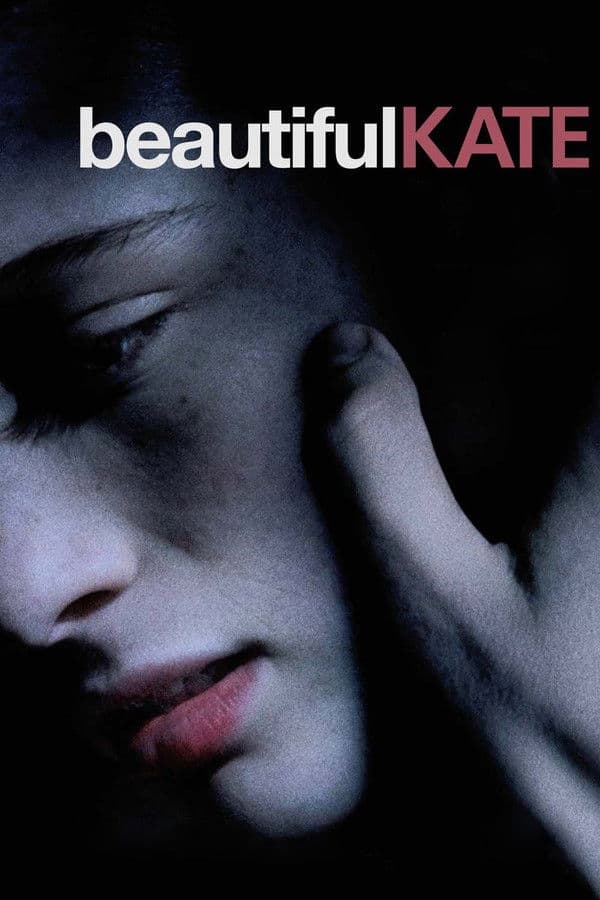
Beautiful Kate
2009 • Drama • R
Ned Kendall is asked to return to the remote and isolated family home by his sister, to say goodbye to his father who is dying. Ned also brings his young aspiring actress fiancee who struggles with the isolation. When home he starts having memories of his childhood many involving his beautiful twin sister and his older brother. These memories awaken long-buried secrets from the family's past.
Runtime: 1h 30m
Buy related books from Amazon
As an Amazon Associate I earn from qualifying purchases. Read the full disclosure.
Why you should read the novel
Before you watch the film, experience Beautiful Kate by Newton Thornburg, the haunting original novel that inspired it. Thornburg’s book plunges you into a tense world of family secrets, memory, and moral reckoning that rewards close, thoughtful reading.
The novel’s psychological depth and finely shaded interior voice offer an intimacy you can’t capture on screen. Thornburg’s prose draws you into motives, doubts, and desires with a precision and emotional honesty that make each revelation more devastating—and more humane.
If you value character-driven literary fiction, start with the source. Reading the Beautiful Kate novel lets you appreciate the film’s choices while savoring the richer context, layered themes, and nuanced ambiguity that only the page can deliver.
Adaptation differences
The film reimagines the story’s geography and culture, relocating Beautiful Kate from Thornburg’s rural American setting to the Australian outback. This shift brings new textures—landscape, idiom, and social pressures—while updating timeframe details to suit contemporary Australia.
Narratively, the book leans on an intimate, confessional voice and sustained interior monologue, allowing readers to inhabit the protagonist’s guilt, denial, and memory. The adaptation translates that interiority into visual storytelling and cross-cut flashbacks, streamlining chronology and leaving some motivations more implicit than articulated.
Characters and relationships are refocused on-screen. Certain supporting roles are condensed or expanded, and a present-day companion is emphasized to externalize the lead’s turmoil. The novel lingers more on community ripples and moral fallout, whereas the film favors a tighter, chamber-piece dynamic centered on the family home and a fraught father–child reckoning.
Tone and outcome diverge as well. Thornburg’s book sustains a starker, more ambiguous moral reckoning, while the film shapes a slightly more conciliatory path toward acceptance. The adaptation reframes key revelations—especially around the taboo relationship and its consequences—with different emphasis and pacing, softening some edges and tightening others for cinematic impact.
Beautiful Kate inspired from
Beautiful Kate
by Newton Thornburg