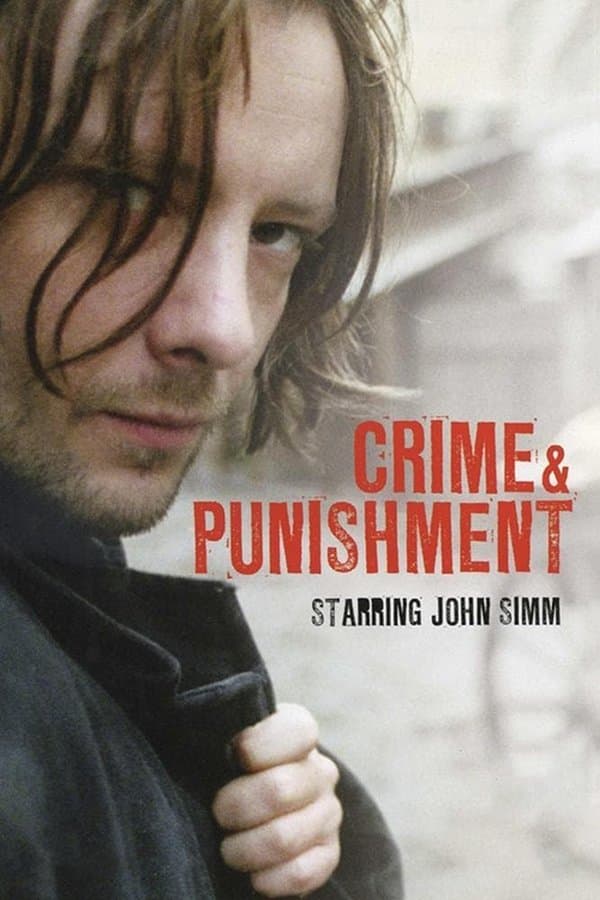
Crime and Punishment
2002 • Drama
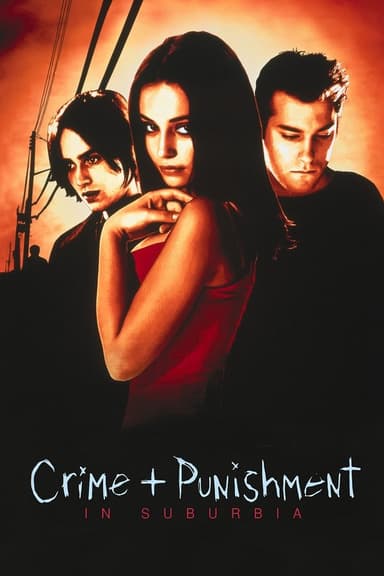
Former student Raskolnikov is pushed to murder when struggling to pay the rent on his apartment. When the murder is being investigated by the police, Raskolnikov struggles between trying to hide his guilt and the pressure to confess.
Runtime: 3h
Buy related books from Amazon
As an Amazon Associate I earn from qualifying purchases. Read the full disclosure.
Why you should read the novel
Before you watch the 2002 adaptation of Crime and Punishment, discover the full power of Fyodor Dostoevsky’s novel. The book immerses you in Raskolnikov’s restless mind, confronting guilt, justice, and redemption with unparalleled psychological depth.
Reading the Crime and Punishment novel reveals nuanced philosophy, raw social detail, and moral complexity the screen can only hint at. Dostoevsky’s portrait of St. Petersburg—its poverty, pride, and desperation—creates a living backdrop for every choice and consequence.
If you want the definitive Crime and Punishment experience, read the source material. This classic Russian literature masterpiece offers layers of meaning, unforgettable characters, and a transformative journey no adaptation can replace.
Adaptation differences
Scope and structure change significantly in the 2002 film adaptation. The novel’s expansive pacing, dense inner monologue, and digressions are streamlined into a tighter plot, externalizing Raskolnikov’s turmoil through dialogue, performance, and visual cues rather than extended interior narration.
Key themes are simplified for screen clarity. The novel’s exploration of the “extraordinary man” theory, moral law, and spiritual rebirth is present but less intricate. Sonia’s faith and the story’s religious symbolism are muted compared to the book, and Raskolnikov’s path to redemption is more implied than painstakingly charted.
Character arcs and subplots are condensed. The film trims the breadth of Marmeladov’s family tragedy, reduces the complexity of Luzhin’s manipulation, and streamlines Svidrigailov’s troubling ambiguity and fate. These choices heighten momentum but narrow the textured social panorama Dostoevsky carefully builds.
Tone and perspective also diverge. The adaptation emphasizes suspenseful interrogation scenes with Porfiry and the tangible squalor of St. Petersburg, while the novel sustains a relentless, introspective psychological pressure. The book’s narrative voice and philosophical analysis provide layers of insight that the screen, by necessity, conveys more through mood and action.
Crime and Punishment inspired from
Crime and Punishment
by Fyodor Dostoevsky