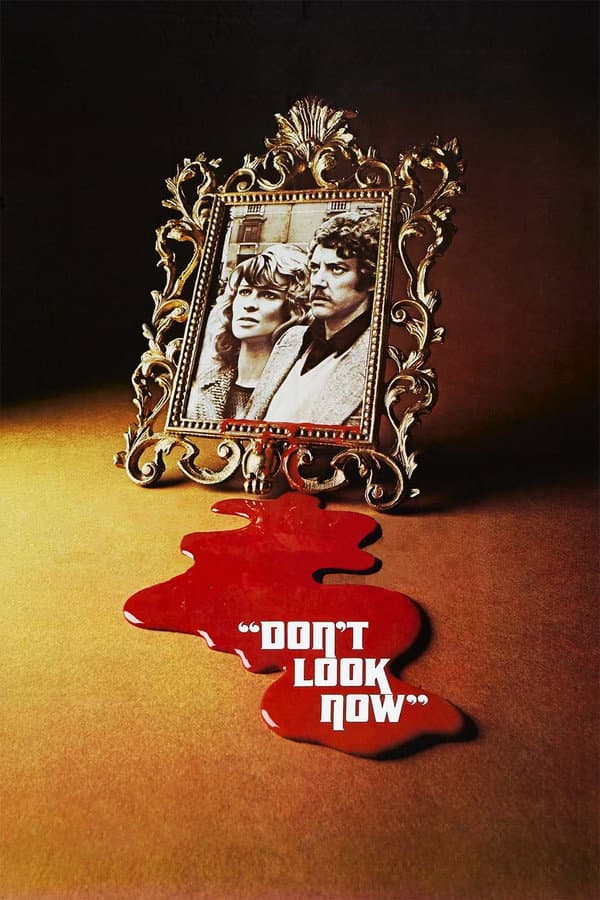
Don't Look Now
1973 • Drama, Horror, Thriller • R
While grieving a terrible loss, a married couple meet two mysterious sisters, one of whom gives them a message sent from the afterlife.
Runtime: 1h 50m
Buy related books from Amazon
As an Amazon Associate I earn from qualifying purchases. Read the full disclosure.
Why you should read the novels
Before you stream the 1973 film, read Daphne du Maurier’s Don’t Look Now, the haunting short story that inspired it. Her taut, evocative prose builds psychological dread and atmosphere in Venice with unforgettable precision.
On the page, grief, intuition, and paranoia unfold from the inside out, offering a chilling intimacy no screen can replicate. This is literary suspense crafted by a master of gothic tension, perfect for readers who crave elegant, economical storytelling.
Most English-language editions pair Don’t Look Now with additional du Maurier tales, creating a full collection of eerie, thought-provoking classics. Discover why the original text remains the definitive Don’t Look Now experience for fans of psychological thrillers and gothic fiction.
Adaptation differences
Perspective and tone shift dramatically from page to screen. Du Maurier’s story is a tight, psychological study filtered through John and Laura’s uneasy perceptions, while the film leans on visual motifs, elliptical editing, and an oneiric rhythm to externalize dread.
The movie adds an indelible backstory sequence—the child’s drowning and the iconic red coat—then threads that red motif throughout Venice. In the short story, the past is evoked more obliquely, without the same color coding or the film’s striking opening and symbolic glass-slide imagery.
Characterization and incident also diverge. The film makes John an architectural restorer working in Venice and includes the famous, intimate cross-cut scene between the couple, plus police suspicion and a reported emergency involving their son—extensions that complicate plot and mood. The story is leaner and more sardonic, keeping events tightly focused on chance encounters and unsettling intuitions.
Both versions culminate in a devastating misrecognition, yet the film intensifies premonitions attributed to John and caps the finale with bravura visual editing that suggests fatal inevitability. The story preserves greater ambiguity around the sisters’ second sight and John’s choices, delivering a colder, razor-sharp sting in prose rather than in images.
Don't Look Now inspired from
Don't Look Now
by Daphne du Maurier
Don't Look Now and Other Stories
by Daphne du Maurier