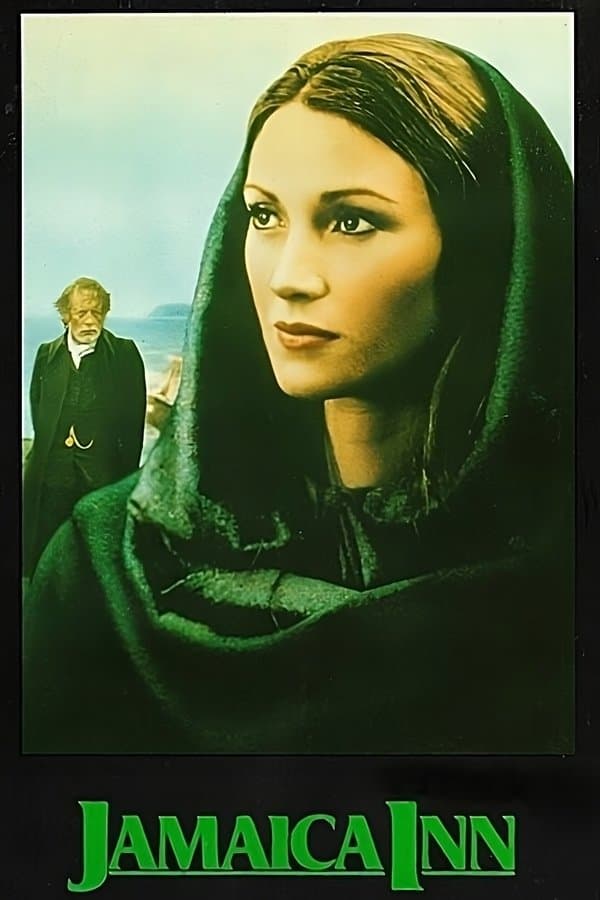
Jamaica Inn
1983 • Drama, TV Movie, Thriller
The respected squire of a quiet Cornish village is in reality the leader of a gang of murderous pirates who attack passing ships, kill their crews and steal their cargoes.
Runtime: 3h 7m
Buy related books from Amazon
As an Amazon Associate I earn from qualifying purchases. Read the full disclosure.
Why you should read the novel
Discover the original Jamaica Inn novel by Daphne du Maurier for a richer, more atmospheric journey across Bodmin Moor. Her vivid prose conjures the inn’s creaking corridors, the hiss of the surf, and the moral fog surrounding Cornwall’s notorious wreckers with haunting precision. Every chapter deepens the mystery while unveiling the psychological stakes that a screen can only hint at.
Reading the book places you firmly inside Mary Yellan’s mind—her courage, fear, and fierce independence evolve through du Maurier’s careful, intimate narration. You’ll uncover layered motives, secret histories, and the unsettling allure of danger that the camera often compresses. The result is a slow-burn gothic experience that rewards attention and imagination.
If you love historical thrillers with atmosphere to spare, the Jamaica Inn book is a classic of Cornwall smuggling lore and gothic suspense. It’s ideal for readers who want the full weight of du Maurier’s themes—power, manipulation, and survival—told with lyrical intensity. Choose the novel for depth, nuance, and unforgettable mood.
Adaptation differences
The 1983 adaptation generally follows the core storyline but condenses the novel’s timeline and simplifies certain investigative and travel sequences. Subplots tied to local authority and village rhythms are streamlined to keep the pace on smuggling, danger, and romance. As a result, the moor’s slow, suffocating dread in the book is often exchanged for brisk, plot-forward scenes on screen.
Character emphasis shifts as well. On the page, Mary Yellan’s interior voice drives the tension—her doubts, defiance, and shifting loyalties color every event. The adaptation necessarily externalizes this with dialogue and action, often foregrounding her chemistry with Jem earlier and more consistently. Some secondary figures receive reduced focus, trimming the social tapestry that du Maurier uses to amplify isolation and fear.
The portrayal of the mastermind behind the wreckers is also adjusted for television. While the 1983 version retains the vicar’s pivotal role, aspects of his unsettling interior philosophy and distinctive appearance from the novel are typically muted or reframed. Extended conversations and eerie confidences become tighter, more visual sequences, compressing the slow revelation of his menace.
Tone and resolution are subtly different. Du Maurier’s ending leaves a lingering ambiguity about Mary’s future and the cost of survival; the adaptation tends to accelerate the climax, clarify motives, and slightly soften the bleakness for broadcast audiences. Scenes of violence and psychological cruelty are moderated, shifting the story’s feel from relentless gothic dread toward accessible period thriller.
Jamaica Inn inspired from
Jamaica Inn
by Daphne du Maurier