I Walked with a Zombie
1943 • Drama, Fantasy, Horror, Mystery • NR
A nurse in the Caribbean turns to voodoo in hopes of curing her patient, a mindless woman whose husband she's fallen in love with.
Runtime: 1h 9m
Buy related books from Amazon
As an Amazon Associate I earn from qualifying purchases. Read the full disclosure.
Why you should read the novel
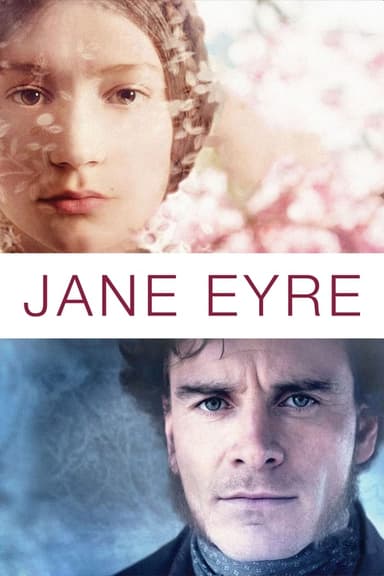
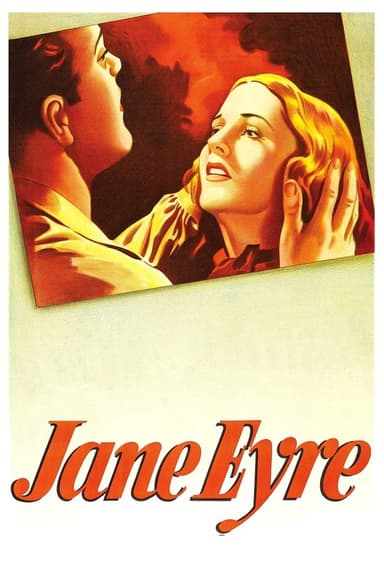
If the mood and mystery of I Walked with a Zombie captivated you, reading Charlotte Brontë’s Jane Eyre delivers the full, original power behind its Gothic bones. The novel’s piercing interiority, emotional complexity, and moral stakes deepen the themes the film only hints at, offering not just atmosphere but an unforgettable, fully realized human story.
Jane Eyre gives you the complete arc that cinema cannot compress: a coming‑of‑age journey, fierce independence, and hard-won self-respect. Brontë’s lyrical prose, sharp social critique, and indelible characterization reward every page, illuminating the template that inspired later screen retellings and reimaginings. Annotated and modernized editions make it accessible and richly contextual for today’s readers.
For viewers who love Gothic romance, secret wives, and brooding estates, the best way to experience the true source is to read the book. Explore Jane Eyre to understand how its themes of love, freedom, class, and conscience shaped I Walked with a Zombie—and discover layers of meaning only the original novel can provide.
Adaptation differences
I Walked with a Zombie reimagines Jane Eyre’s Gothic framework in a completely different world. Instead of Victorian England and the isolated Thornfield Hall, the film moves to a Caribbean plantation, filtering its mystery through colonial history and Vodou ritual. The result shifts genre emphasis from a moral-romantic bildungsroman to poetic horror, trading candlelit corridors for moonlit cane fields and drum-beat ceremonies.
The heroine changes as well. Jane Eyre is a fiercely introspective governess whose first-person voice shapes the novel’s ethics and psychology; Betsy Connell, the film’s nurse, is outwardly compassionate but far less interior, her choices observed from a cool distance. The movie compresses or removes entire chapters of the novel’s development—Jane’s childhood, Lowood School, her flight from Thornfield, and the St. John Rivers interlude—to build a streamlined, atmospheric narrative.
Key relationships are recast. Mr. Rochester’s tortured secrecy and moral testing become Paul Holland’s aloof melancholy, while Bertha Mason—the hidden, mentally ill wife in Jane Eyre—finds her echo in Jessica, a beautiful, catatonic “zombie.” Where Bertha’s fate culminates in fire and revelation, Jessica’s end is a tragic act meant to “release” her, entwined with local beliefs rather than Victorian domestic catastrophe.
Themes and resolutions diverge sharply. Jane Eyre interrogates class, gender, faith, and personal integrity, leading to a redemptive reunion founded on equality and contrition. The film centers colonial tension, cultural syncretism, and the ambiguity of the supernatural, concluding on somber ambivalence rather than moral closure. In short, the adaptation borrows the novel’s skeletal romance and mystery but replaces its inner pilgrimage with visual poetry and cultural unease.
I Walked with a Zombie inspired from
Jane Eyre
by Charlotte Brontë