Jane Eyre
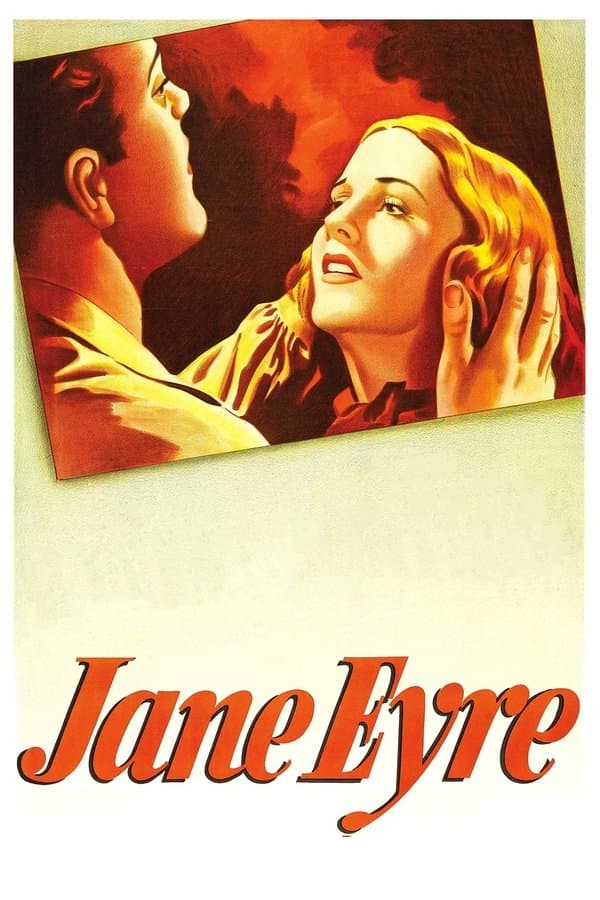
1943 • Drama, Romance • NR
After a bleak childhood, Jane Eyre goes out into the world to become a governess. As she lives happily in her new position at Thornfield Hall, she meet the dark, cold, and abrupt master of the house, Mr. Rochester. Jane and her employer grow close in friendship and she soon finds herself falling in love with him. Happiness seems to have found Jane at last, but could Mr. Rochester's terrible secret be about to destroy it forever?
Runtime: 1h 37m
Buy related books from Amazon
As an Amazon Associate I earn from qualifying purchases. Read the full disclosure.
Why you should read the novel
Before you press play on the 1943 Jane Eyre movie, experience Charlotte Brontë’s original novel. The book’s first-person voice reveals Jane’s courage, wit, and moral independence with a depth no screen can match. Reading the classic novel Jane Eyre by Charlotte Brontë lets you inhabit her inner life, the moral dilemmas, and the slow-burn romance in their unabridged, authentic form.
The source novel offers far more than the familiar plot. You’ll encounter rich themes of class, gender, faith, and autonomy, plus key episodes often trimmed from films—Jane’s inheritance, her unexpected family ties, and her hard-won self-respect. Because Jane Eyre is in the public domain, you can easily find affordable paperbacks, free ebooks, and audiobooks to enjoy the complete text.
If you want the definitive Jane Eyre experience for study, book clubs, or pure pleasure, choose the original book. Compare editions, annotate favorite passages, and savor Brontë’s language instead of settling for a condensed screenplay. Read Jane Eyre now to understand why the novel still captivates readers long after any adaptation’s end credits.
Adaptation differences
Narrative focus shifts significantly in the 1943 film. The novel’s intimate first-person perspective—Jane’s reflective, principled inner voice—becomes externalized, with less introspection and more Gothic mood. Orson Welles’s commanding Rochester tilts the emphasis toward brooding romance and mystery, while the movie compresses the psychological nuance that defines the book.
Major structural changes streamline the story. The film removes the extended St. John Rivers section, including Jane’s inheritance and her discovery of new family, and it omits the missionary proposal that tests her autonomy. As a result, Jane’s journey of self-reliance is shortened, and her return to Rochester happens far more quickly than in the novel.
Subplots and character beats are condensed or cut. Blanche Ingram’s courtship games are abbreviated, and Rochester’s disguised “gypsy” episode is omitted, reducing the novel’s social satire and testing of motives. Jane’s childhood at Gateshead and Lowood is compressed—Helen Burns appears, but with fewer details—and Bertha Mason’s presence is heightened as a threatening figure with minimal backstory compared to the book’s fuller context.
The ending and settings are simplified for a swift, romantic resolution. The aftermath of the Thornfield fire is condensed, with the Ferndean interlude reduced or relocated and the timeline tightened. Rochester’s injuries and recovery receive less emphasis, and the closing scenes move quickly to reunion and commitment, softening the novel’s slower arc of healing, reflection, and domestic rebuild.
Jane Eyre inspired from
Jane Eyre
by Charlotte Brontë