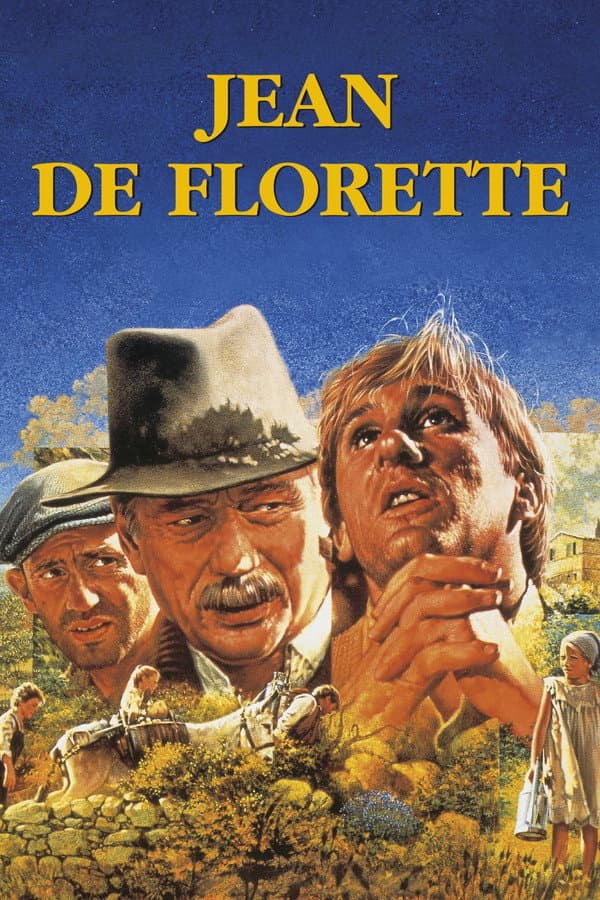
Jean de Florette
1986 • Drama • PG
In a rural French village, an old man and his only remaining relative cast their covetous eyes on an adjoining vacant property. They need its spring water for growing their flowers, and are dismayed to hear that the man who has inherited it is moving in. They block up the spring and watch as their new neighbour tries to keep his crops watered from wells far afield through the hot summer. Though they see his desperate efforts are breaking his health and his wife and daughter's hearts, they think only of getting the water.
Runtime: 2h 2m
Buy related books from Amazon
As an Amazon Associate I earn from qualifying purchases. Read the full disclosure.
Why you should read the novels
Before watching Jean de Florette (1986), experience the full depth of Marcel Pagnol’s storytelling in the original novels: Jean de Florette and Manon of the Springs (The Water of the Hills). The books enrich Provence with sensory detail, folklore, and character psychology the camera can only hint at. If you love literary Provence, rural drama, and morally complex stories, the novels deliver more.
Reading the Jean de Florette book offers unmatched insight into Jean’s dreams, calculations, and optimism, as well as the Soubeyrans’ calculated schemes. Pagnol’s lyrical prose, sharp humor, and cultural textures create a vivid, immersive world. For fans searching “read Jean de Florette novel” or “Marcel Pagnol book vs movie,” the source delivers definitive context.
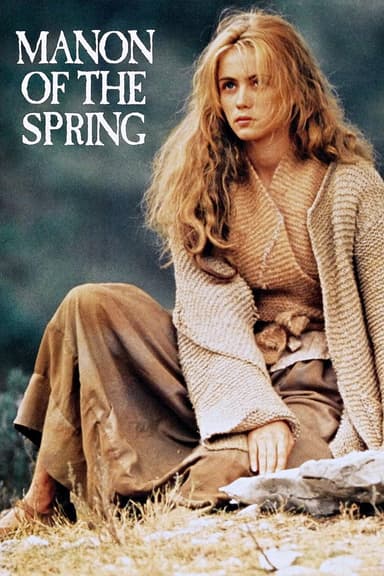
Manon of the Springs completes the saga with emotional payoffs and thematic revelations that resonate more strongly on the page. The novels’ pacing, inner monologues, and nuanced social commentary on water, land, and inheritance make them essential. If you value character depth, thematic clarity, and Provençal authenticity, choose the books over the adaptation.
Adaptation differences
Scope and structure differ between the Jean de Florette film and Marcel Pagnol’s novels. The 1986 adaptation splits the two-volume story into two films, prioritizing cinematic tension and ending the first movie at a dramatic low point. The books, read together, build a more patient arc with layered foreshadowing, community dynamics, and a broader moral canvas. Searchers for “Jean de Florette movie vs book structure” will find the novels’ two-part design more thematically integrated.
Character interiority is a key divergence. On screen, motivations must be inferred through performances and visuals, while the novels provide Jean’s inner calculations, Aimée’s anxieties, Ugolin’s shame, and Papet’s pride in direct, revealing detail. Readers exploring “differences between Jean de Florette film and book” will find the prose clarifies why choices are made and how guilt, superstition, and ambition accumulate.
Tone and narration shift notably. The film leans on landscape, silence, and atmosphere; the books add an omniscient, often ironic narrative voice steeped in Provençal sayings, legal nuances about water rights, and village lore. That texture deepens themes of fate, ecology, and social pressure, giving the “Marcel Pagnol novel vs movie” comparison a clear literary advantage in cultural and historical context.
Details and subplots are streamlined on screen. The adaptation compresses village life, technical farming methods, and Soubeyran family history to maintain pace, while the novels linger on seasonal rhythms, practical hardships, and moral consequences. Readers looking for “Jean de Florette vs Manon of the Springs book differences” will see that the books expand minor characters and vignettes, amplifying tragedy and making the final revelations more devastating.
Jean de Florette inspired from
Jean de Florette (The Water of the Hills, Book 1)
by Marcel Pagnol
Manon of the Springs (The Water of the Hills, Book 2)
by Marcel Pagnol