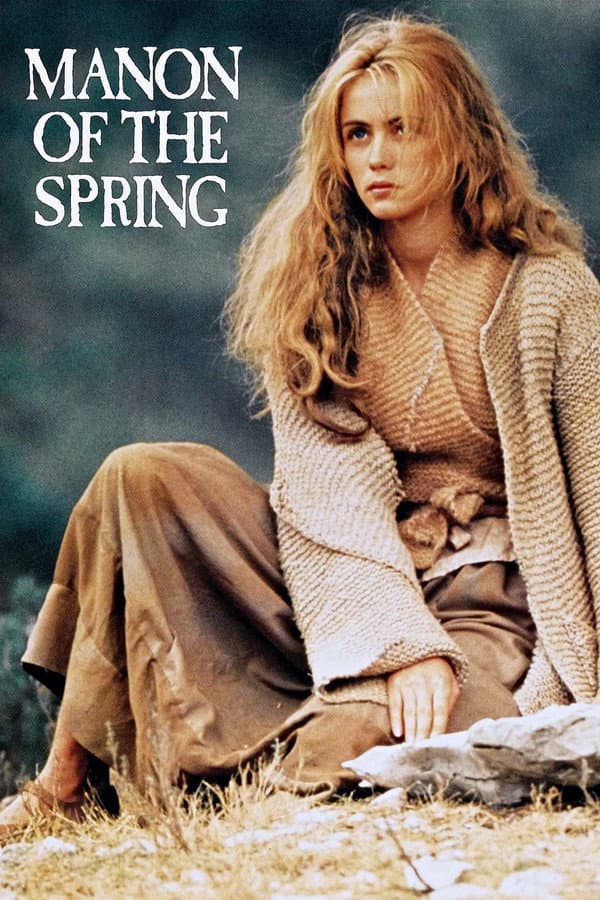
Manon of the Spring
1986 • Drama • PG
In this, the sequel to Jean de Florette, Manon has grown into a beautiful young shepherdess living in the idyllic Provencal countryside. She plots vengeance on the men who greedily conspired to acquire her father's land years earlier.
Runtime: 1h 55m
Buy related books from Amazon
As an Amazon Associate I earn from qualifying purchases. Read the full disclosure.
Why you should read the novels
Before you watch the acclaimed film Manon of the Spring, discover the full emotional breadth of Marcel Pagnol’s novels Jean de Florette and Manon of the Springs. On the page, Provence becomes a living landscape—its seasons, superstitions, and secrets shaping every choice the characters make.
Reading the original books lets you inhabit the inner lives of Jean, Manon, Ugolin, and César with an intimacy no camera can match. Pagnol’s storytelling reveals private doubts, shifting loyalties, and moral reckonings that transform a rural drama into a timeless human tragedy.
In vivid, accessible English translations, these classics offer rich cultural detail, lyrical prose, and layered themes about fate, community, and the land. For a deeper, more complete experience than the movie can provide, read the source novels first and see why Pagnol’s pages have captivated generations.
Adaptation differences
Book vs movie comparison: the novels deliver a wider narrative scope and an unmistakable authorial voice. Pagnol’s omniscient narration, Provençal turns of phrase, and folklore-infused asides provide cultural context the film streamlines into imagery and music.
Characterization differs notably between the book and the movie. On the page, Ugolin’s fixation, Manon’s moral conflict, and César’s pride and remorse unfold through interior reflection and nuanced backstory; the film necessarily externalizes these feelings, simplifying motivations and accelerating turning points.
Pacing and structure shift as well. The books build the village’s complicity, the slow-burn consequences of the hidden spring, and the final revelation through letters, memories, and layered testimony. The movie condenses this arc into concentrated climactic sequences, altering the timing, emphasis, and who learns which truths when.
Themes and texture vary across mediums. The novels balance irony, social observation, and tragic fate with more attention to rural labor, local politics, and side characters; the film heightens romance, visual spectacle, and catharsis. Several subplots and digressions enriching the source material are trimmed or merged to fit the cinematic form.
Manon of the Spring inspired from
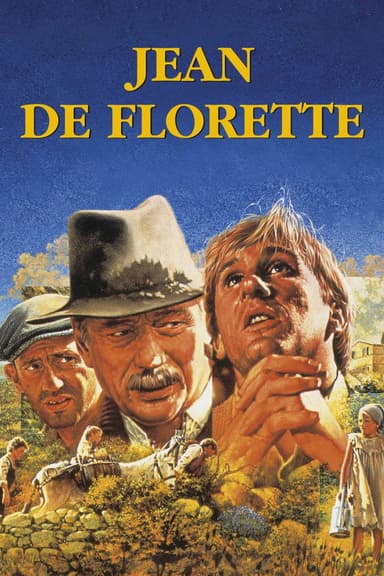
Jean de Florette
by Marcel Pagnol
Manon of the Springs
by Marcel Pagnol