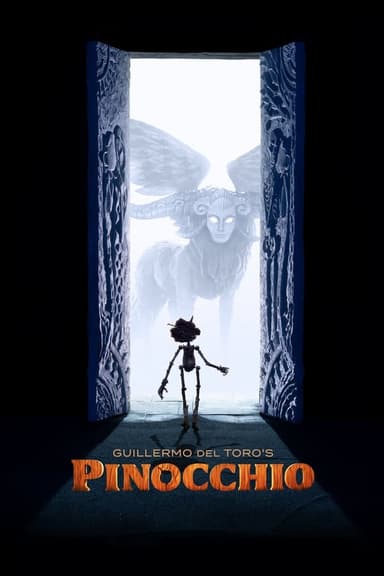
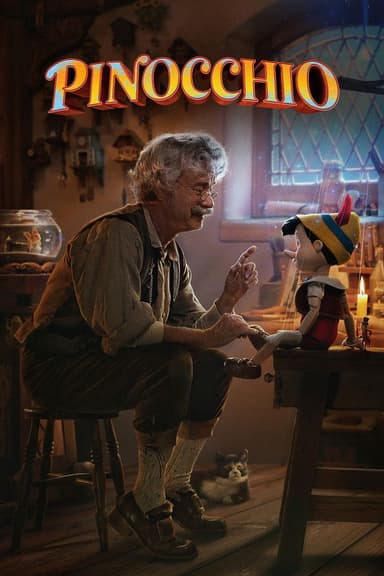
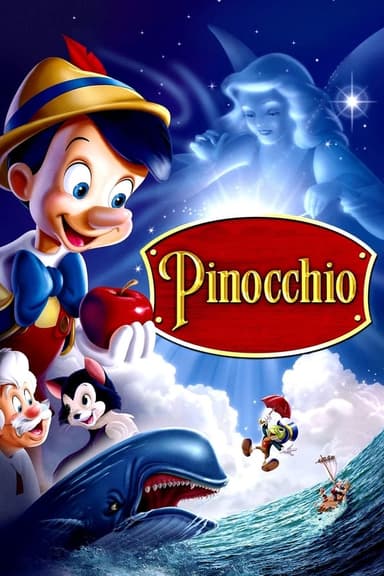
Pinocchio
2009 • Adventure, Drama, Fantasy
The enchanted story of Pinocchio.
Runtime: 3h 5m
Buy related books from Amazon
As an Amazon Associate I earn from qualifying purchases. Read the full disclosure.
Why you should read the novels
Before pressing play on the 2009 movie, step into the original world crafted by Carlo Collodi. The Adventures of Pinocchio delivers sharper wit, richer moral stakes, and a more adventurous, culturally textured journey than most screen versions can capture. Collodi’s lively prose and satirical edge transform a simple fable into a timeless Italian folk tale bursting with consequence, humor, and heart.
Reading the classic Pinocchio book reveals scenes and lessons often trimmed or softened on film. Discover Fire-Eater Mangiafuoco’s surprising kindness, the eerie allure of the Land of Toys, and the Talking Cricket’s startling fate. Collodi’s episodic storytelling pulls you from one cliffhanger to the next, making the novel a page-turning companion to any modern adaptation.
Choose the source to experience Pinocchio as intended: unabridged, imaginative, and morally resonant. Excellent illustrated editions, annotated versions, ebooks, and audiobooks make the original easy to enjoy anywhere. For families, educators, and lifelong readers, reading The Adventures of Pinocchio provides deeper character growth, stronger themes, and the unforgettable charm that inspired every later film.
Adaptation differences
Compared with the 2009 movie experience, Collodi’s novel is darker, funnier, and more episodic. The book’s adventures unfold like a folk picaresque, with brisk chapter-to-chapter consequences that modern films usually streamline into a single hero’s-journey arc. The result on the page is a sharper moral fable where choices immediately matter and setbacks bite harder.
Character depictions also diverge. In the novel, the Talking Cricket is not the ever-present, cheerful guide many movies prefer; his early encounter with Pinocchio is brief, confrontational, and shockingly final before later reappearances. The Blue Fairy (the Fairy with Turquoise Hair) is more complex and sometimes enigmatic, guiding Pinocchio through repeated tests rather than serving as a simple wish-granting figure.
Iconic moments shift in emphasis. The famous growing nose appears less frequently in the book than audiences expect, while other episodes loom larger: the marionette theater and Fire-Eater’s mercy, the grifting Cat and Fox, and the long, harrowing detour into the Land of Toys that ends in the tragic donkey transformation. Many film versions tone down or omit the novel’s grimmer beats, including the chilling hanging episode.
Finally, the novel’s ending stresses earned transformation. Collodi rewards responsibility, hard work, and care for Geppetto, not quick fixes. Screen adaptations often accelerate Pinocchio’s redemption, add visual spectacle, or wrap emotional conflicts neatly. The book’s conclusion feels more like a moral culmination than a magical reset, making the original story’s impact deeper and more enduring.
Pinocchio inspired from
The Adventures of Pinocchio
by Carlo Collodi
Pinocchio: The Tale of a Puppet
by Carlo Collodi