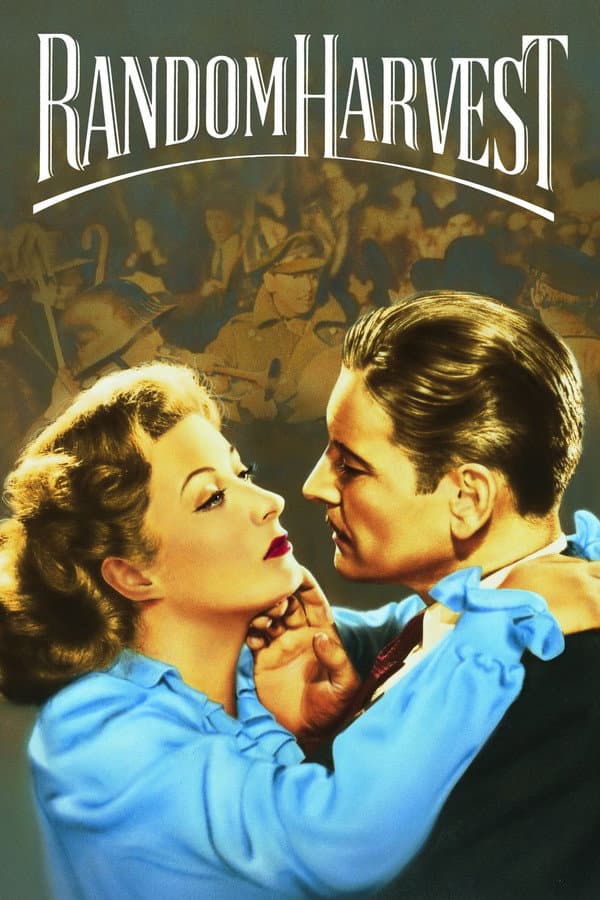
Random Harvest
1942 • Drama, Romance • NR
Wandered away from his asylum, an amnesiac World War I veteran falls in love with a music hall star but his amnesia makes it difficult to last.
Runtime: 2h 5m
Buy related books from Amazon
As an Amazon Associate I earn from qualifying purchases. Read the full disclosure.
Why you should read the novel
Before pressing play on the 1942 film, discover Random Harvest as James Hilton originally imagined it. The novel offers a fuller emotional spectrum, a richer backstory, and a more intimate view of memory, identity, and love.
Reading the Random Harvest book immerses you in nuanced character psychology and elegant prose that the screen can only hint at. Hilton’s storytelling layers post–World War I recovery, British society, and the fragile workings of memory into a page-turning, literary romance.
If you enjoy classic love stories with historical depth, choose the James Hilton novel first. It’s the definitive way to experience Random Harvest—meticulously plotted, deeply felt, and ideal for readers of timeless British fiction and romantic drama.
Adaptation differences
Random Harvest movie vs book: the novel employs a reflective narrative frame—told from the perspective of a close associate who pieces together Charles Rainier’s missing years—while the 1942 film opts for a direct, melodramatic through-line. The book sustains ambiguity longer, whereas the film lets the audience in earlier on key identities, heightening romance and suspense in a different way.
Scope and emphasis differ markedly. James Hilton’s novel devotes substantial space to Rainier’s business career and political ambitions in interwar Britain, using them to probe class, power, and duty. The Mervyn LeRoy adaptation compresses or sidelines this political texture to foreground the central love story and its amnesia mystery.
Characters are rebalanced. Supporting figures in the book—such as family members, colleagues, and would-be romantic rivals—receive extended development that illuminates Rainier’s public persona versus private longing. The film consolidates roles and amplifies a sympathetic doctor-confidant and the prospective fiancée to sharpen the love-triangle stakes and streamline motivations.
Plot mechanics and timeline are streamlined for the screen. The novel’s longer chronology, legal and marital complications, and gradual revelations are tightened, with certain settings shifted and scenes combined. Both versions end in reunion, but the film heightens the sentimental crescendo, while the book closes on a more contemplative note that underscores memory’s cost as well as its grace.
Random Harvest inspired from
Random Harvest
by James Hilton